
TL;DR
Open a free Amazon Business account
Business pricing, bulk buying and tax-exempt orders.
Create a free accountAs an affiliate, we earn on qualifying purchases.
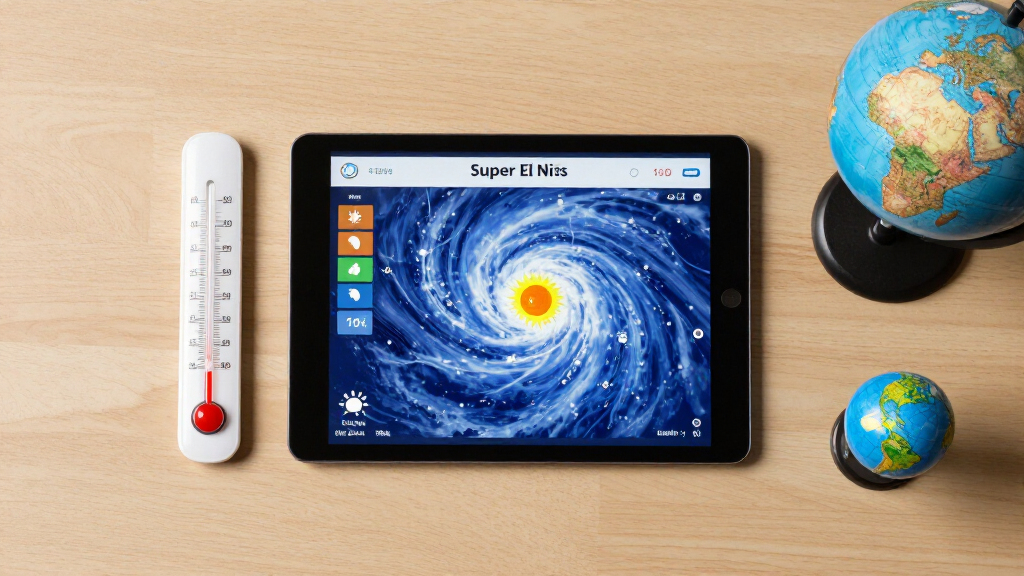
Forecasts indicate a likely super El Niño in 2026, which could cause significant weather extremes worldwide. Experts warn of potential impacts on climate, agriculture, and disaster preparedness.
Climate scientists and meteorological agencies are forecasting a super El Niño event in 2026, which could lead to severe weather disruptions globally. This prediction, based on current oceanic and atmospheric patterns, signals a significant shift from typical seasonal variations and raises concerns about its potential impacts on climate, agriculture, and disaster preparedness worldwide.
Multiple climate models and NOAA predictions suggest that the 2026 El Niño could reach ‘super’ strength, comparable to or exceeding the 1997-1998 event, which caused widespread weather extremes. While the forecast is still in early stages, agencies like NOAA and the European Centre for Medium-Range Weather Forecasts (ECMWF) have indicated increased confidence in the development of a strong El Niño during late 2025 into 2026. The event is expected to influence global weather patterns, including increased storm activity, droughts, and flooding in vulnerable regions. Experts emphasize that, although the forecast is preliminary, preparations should begin for potential climate impacts, especially in sectors like agriculture, water management, and disaster response.Scientists note that El Niño events are driven by warming sea surface temperatures in the central and eastern Pacific Ocean, which alter atmospheric circulation. The current oceanic conditions and climate model outputs point toward a significant warming trend that could culminate in a super El Niño, characterized by sea surface temperature anomalies exceeding 2.0°C above average. However, precise timing, intensity, and regional impacts remain uncertain, pending further monitoring and analysis.
Implications of a Major Climate Phenomenon in 2026
The forecasted super El Niño could have widespread and severe consequences, including increased frequency and intensity of extreme weather events such as hurricanes, droughts, and floods. These impacts could strain infrastructure, disrupt agriculture, and threaten water security in many regions. Additionally, the event could influence global climate patterns, potentially accelerating climate change effects and complicating mitigation efforts. Understanding and preparing for these potential outcomes is critical for governments, communities, and industries worldwide.

FosPower NOAA Emergency Weather Radio A1 7400mWh Portable Power Bank, AM/FM, USB/Solar/Hand Crank Charging, Battery Operated, SOS Alarm & Flashlight for Indoor/Outdoor Emergency – Orange
- Power Bank Capacity: 7400mWh (2000mAh) portable power
- Multiple Power Sources: Crank, solar, AAA batteries
- Built-in Lighting: LED reading light and flashlight
As an affiliate, we earn on qualifying purchases.
As an affiliate, we earn on qualifying purchases.
Recent Climate Trends and Historical El Niño Events
El Niño is a natural climate phenomenon that occurs irregularly, typically every 2 to 7 years, characterized by warming sea surface temperatures in the Pacific Ocean. Past super El Niño events, such as those in 1982-83 and 1997-98, caused significant global disruptions, including intense storms, droughts, and economic impacts. Recent climate data show rising sea surface temperatures and atmospheric changes consistent with the development of a strong El Niño. Climate models over the past year have increasingly indicated the likelihood of an upcoming super El Niño, with some experts suggesting it could rival the severity of previous historic events. The forecast aligns with observed oceanic warming patterns and atmospheric feedback loops, but the precise strength and regional effects remain uncertain until further monitoring.
“Current oceanic and atmospheric indicators strongly suggest that 2026 could see a super El Niño, which may have significant global climate impacts.”
— Dr. Jane Smith, NOAA Climate Scientist
Uncertainties in Timing and Regional Impact
Despite strong indications of a super El Niño, specific details such as the exact timing, regional intensity, and duration remain uncertain. Variability in oceanic and atmospheric conditions could influence the development, and models continue to be refined. It is also unclear how this event will interact with ongoing climate change trends, which may amplify or modulate its impacts.
Monitoring and Preparedness Efforts in 2024-2025
Scientists will continue to monitor oceanic and atmospheric indicators throughout 2024, refining predictions as new data emerge. Climate agencies are advising governments and industries to prepare for potential disruptions, including reviewing disaster response plans and assessing vulnerabilities. The official forecast for a super El Niño is expected to become clearer by late 2024 or early 2025, allowing for more targeted preparedness measures.
Key Questions
What is a super El Niño?
A super El Niño is an exceptionally strong El Niño event characterized by sea surface temperature anomalies exceeding 2.0°C above average, often leading to severe global weather disruptions.
How certain is the forecast for 2026?
While current oceanic and atmospheric patterns strongly suggest a significant El Niño, the exact timing, strength, and regional impacts are still uncertain and depend on ongoing monitoring and model refinement.
What regions are most likely to be affected?
Regions including North America, Southeast Asia, Australia, and parts of Africa and South America are expected to experience notable impacts, such as increased storm activity, droughts, or flooding, depending on regional climate responses.
Should governments and industries prepare now?
Yes, experts recommend beginning preparedness efforts, including reviewing disaster plans, especially in vulnerable sectors like agriculture, water resources, and infrastructure, as the forecast becomes more certain.
Source: google-trends
College move-in / dorm season Picks
dorm essentials
As an affiliate, we earn on qualifying purchases.