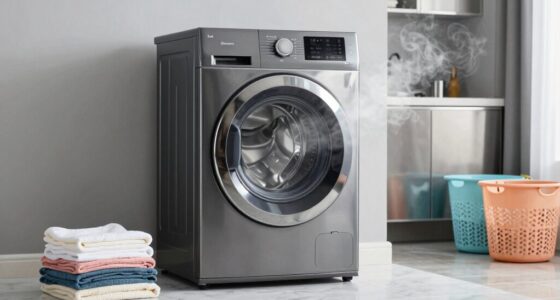

Energy Star certification is a symbol that shows products and buildings meet strict energy efficiency standards. When you see the label, it means those items have been tested in certified labs and reviewed by the EPA to guarantee they use less energy, reduce costs, and protect the environment. The certification requires regular updates and testing to maintain trust. Keep exploring to discover how this program helps you save energy and make smarter choices.

Prime made for students and young adults
- Fast, free delivery for dorm and study essentials
- Prime Video and Amazon Music included
- Member-only deals
Key Takeaways
- Energy Star certification indicates a product or building meets energy efficiency standards set by the EPA.
- It involves testing and evaluation in certified laboratories to verify performance.
- Certification applies to appliances and buildings demonstrating lower energy consumption than conventional models.
- Regular data updates and random testing ensure ongoing compliance and trust.
- The label signifies environmental responsibility and commitment to energy conservation.

The certification process begins with manufacturers or builders submitting their products or buildings for evaluation. For appliances like refrigerators, washers, or HVAC systems, the process involves testing according to established appliance standards. These standards specify the maximum energy use allowed for each product category, ensuring that only those that substantially outperform conventional models earn the Energy Star label. Testing is carried out in certified laboratories to verify that the product’s performance aligns with the standards. For buildings, the process involves an extensive assessment of energy consumption, insulation, HVAC systems, lighting, and other factors that influence efficiency. The goal is to verify that the building’s energy use is at or below a certain benchmark, which is often based on national models or local climate conditions. Energy efficiency standards play a crucial role in guiding the certification process and maintaining high-quality benchmarks. Additionally, the evaluation often considers the impact on the environment and the potential for long-term savings, emphasizing the importance of sustainable design principles. A comprehensive understanding of energy consumption patterns is essential for accurate assessment and certification. Incorporating performance testing procedures ensures consistency and reliability across different product categories. Once the testing phase is complete, the data is reviewed by the Environmental Protection Agency (EPA), which administers the Energy Star program. If the product or building meets all criteria, it receives certification, allowing it to carry the Energy Star label. This label is more than just a mark of quality; it’s a symbol of commitment to energy conservation and environmental responsibility. The certification isn’t permanent, though. Manufacturers must regularly submit updated data to demonstrate continued compliance, and products are subject to random testing to prevent fraud. The process underscores the importance of maintaining high standards through ongoing verification, ensuring consumers can trust that labeled items truly deliver on their efficiency promises.
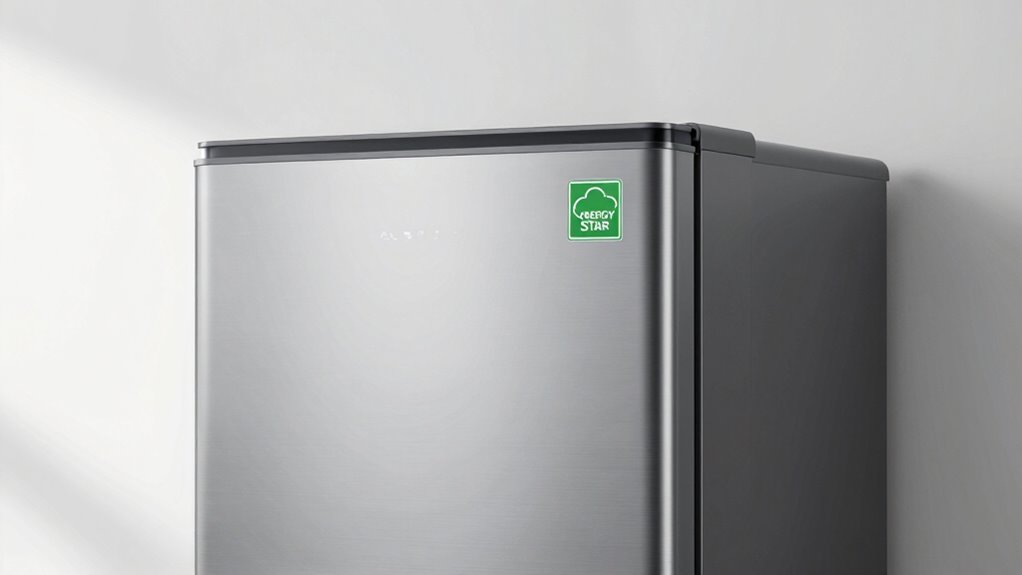
Energy Star certified refrigerator
As an affiliate, we earn on qualifying purchases.
As an affiliate, we earn on qualifying purchases.
Frequently Asked Questions
How Long Does It Take to Get Energy Star Certification?
The certification process typically takes about 2 to 4 months, depending on your product and how quickly you submit the required documentation. You’ll need to meet the eligibility criteria, which include adhering to energy efficiency standards and providing technical data. Once you submit your application, EPA reviews it, tests your product if needed, and issues the Energy Star certification if everything meets the criteria.
Are All Energy-Efficient Products Eligible for Certification?
About 90% of energy-efficient products are eligible for Energy Star certification, but not all qualify. You need to meet specific certification criteria, which vary by product type. Check the product’s performance and efficiency levels against these standards. If it passes, it can earn the label. Keep in mind, the process guarantees only the best products receive the certification, helping you choose reliable, eco-friendly options.
Does Certification Impact Product Pricing Significantly?
Energy Star certification can influence product pricing, but the impact varies. You might see some cost implications due to higher manufacturing standards, but certified products often attract more buyers. The market influence of Energy Star labels can boost sales, helping recover any initial costs. While prices may be slightly higher upfront, the energy savings and environmental benefits can make certified products a smart investment over time.
Can Existing Buildings Earn Energy Star Certification?
You can definitely get existing buildings Energy Star certified. Think of it as giving your building a much-needed facelift through building retrofits. The certification process involves evaluating energy efficiency and making improvements where needed. It’s a smart move that can save you money in the long run and boost your building’s reputation. Don’t wait for a new building; upgrading existing structures is a practical way to achieve certification and reap the benefits.
What Are the Ongoing Maintenance Requirements for Certified Products?
You need to follow specific maintenance protocols to keep your certified products in top condition. Regular inspections, cleaning, and performance checks are essential to guarantee ongoing efficiency. Additionally, you’ll need to submit documentation for certification renewal, demonstrating your products still meet Energy Star standards. Staying proactive with maintenance and timely renewal helps preserve your certification, ensuring your products continue to save energy and reduce costs effectively.
Conclusion
Getting Energy Star certified isn’t just a badge—it’s your ticket to saving the planet and slashing your bills like a superhero wielding a power you never knew you had. Imagine living in a house that practically pays you back, while you sleep soundly knowing you’re fighting climate change. It’s not just about efficiency; it’s about transforming your lifestyle into a force so mighty, it could turn the tide on environmental destruction. Now, that’s an achievement worth aiming for!
Halloween Picks
halloween
As an affiliate, we earn on qualifying purchases.