

TL;DR
A large heat dome is responsible for Europe’s recent record temperatures, with experts linking it to ongoing climate change. The phenomenon is causing extreme heatwaves and health concerns, though some details about its formation remain under study.
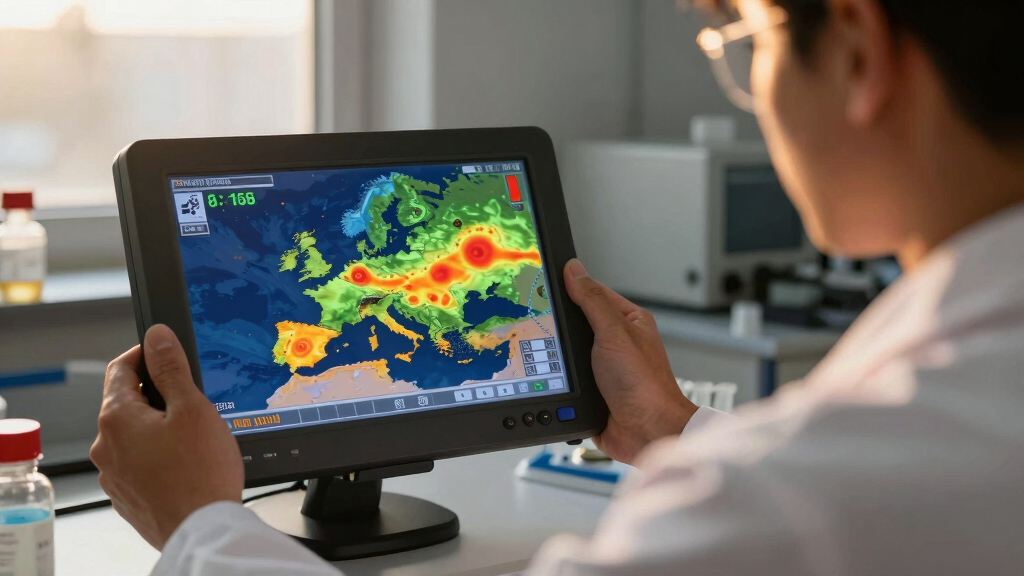
A heat dome is currently causing record-breaking temperatures across much of Europe, with several countries experiencing their hottest days on record. This atmospheric phenomenon, confirmed by climate scientists, is contributing to intense heatwaves that pose health risks and strain infrastructure. The event underscores the link between climate change and extreme weather patterns.

Prime made for students and young adults
- Fast, free delivery for dorm and study essentials
- Prime Video and Amazon Music included
- Member-only deals
Climate scientists confirm that a heat dome—a high-pressure system trapping warm air—is responsible for the extreme temperatures observed in Europe over the past few weeks. Countries such as France, Spain, and Italy have reported temperatures surpassing previous records, with some regions reaching over 45°C (113°F). The heat dome acts like a lid, preventing cooler air from entering and causing prolonged heatwaves.
Meteorologists explain that this phenomenon results from a combination of atmospheric conditions and climate change. The heat dome has been linked to shifts in jet stream patterns, which are influenced by rising global temperatures. Experts from the European Climate Agency state that such events are becoming more frequent and intense due to ongoing climate change.
Public health authorities have issued warnings about heat-related illnesses, and many regions have set up cooling centers and issued heat advisories. Agricultural sectors are also affected, with drought conditions and crop failures reported in several areas. While scientists agree on the role of the heat dome, the specific atmospheric dynamics that sustain it are still being studied.
Why the Heat Dome’s Impact Matters for Europe
The ongoing heat dome and resulting record temperatures highlight the increasing severity of climate change impacts in Europe. These extreme weather events threaten public health, strain energy and water resources, and disrupt agriculture and ecosystems. The event emphasizes the urgent need for climate adaptation and mitigation strategies to reduce future risks.
Popular right now

Ninja Foodi Smart 6-in-1 Indoor Grill and Air Fryer, 4 qt, FG551

Samsung 65-Inch 4K OLED Smart TV with Dolby Atmos, 120Hz Refresh Rate, and Amber Protection Bundle

Vitamix 5-Speed Immersion Blender, 625-Watt, Stainless Steel/Black
As an affiliate, we earn on qualifying purchases.
Recent Climate Trends and the Formation of the Heat Dome
Europe has experienced a series of increasingly severe heatwaves over the past decade, with record temperatures becoming more common. The current heat dome is part of a broader pattern linked to rising global temperatures. Climate scientists note that high-pressure systems like this are expected to become more frequent as the climate continues to warm, driven primarily by greenhouse gas emissions.
Previous studies have shown that atmospheric blocking patterns, which can cause heat domes, are influenced by changes in jet stream behavior. The current event aligns with projections that climate change will lead to more persistent and intense heatwaves, with some scientists warning that Europe may face these conditions more regularly in the future.
“The high-pressure system responsible for the heat dome is expected to linger for several more days, prolonging the heatwave.”
— European Meteorological Agency spokesperson
Uncertainties About the Heat Dome’s Atmospheric Mechanics
While scientists agree that the heat dome is caused by a high-pressure system, the precise atmospheric interactions that sustain it are still under investigation. It remains unclear how much climate change has altered the frequency and intensity of such phenomena specifically in Europe. Additionally, projections about how long this heatwave will last vary among meteorologists.
Monitoring and Preparing for Future Heat Events
Meteorologists will continue monitoring the atmospheric conditions to predict the duration of the current heat dome. Climate scientists are analyzing data to better understand its formation and how similar events can be anticipated or mitigated. Governments are expected to reinforce heatwave preparedness, emphasizing public health measures and infrastructure resilience.
Key Questions
What is a heat dome?
A heat dome is a high-pressure system that traps warm air beneath it, leading to prolonged periods of extreme heat.
Is this heatwave linked to climate change?
Yes, scientists confirm that climate change has increased the likelihood and severity of such heat events, including the formation of heat domes.
How long will the current heatwave last?
It is still uncertain; meteorologists expect the high-pressure system to persist for several more days, but precise forecasts are ongoing.
What are the health risks associated with this heatwave?
Heat-related illnesses such as heat exhaustion and heatstroke are increasing, especially among vulnerable populations. Authorities advise staying hydrated and avoiding outdoor activity during peak heat hours.
Could similar events happen again soon?
Yes, climate scientists warn that heat domes and extreme heatwaves are likely to become more frequent due to ongoing climate change.
Source: google-trends