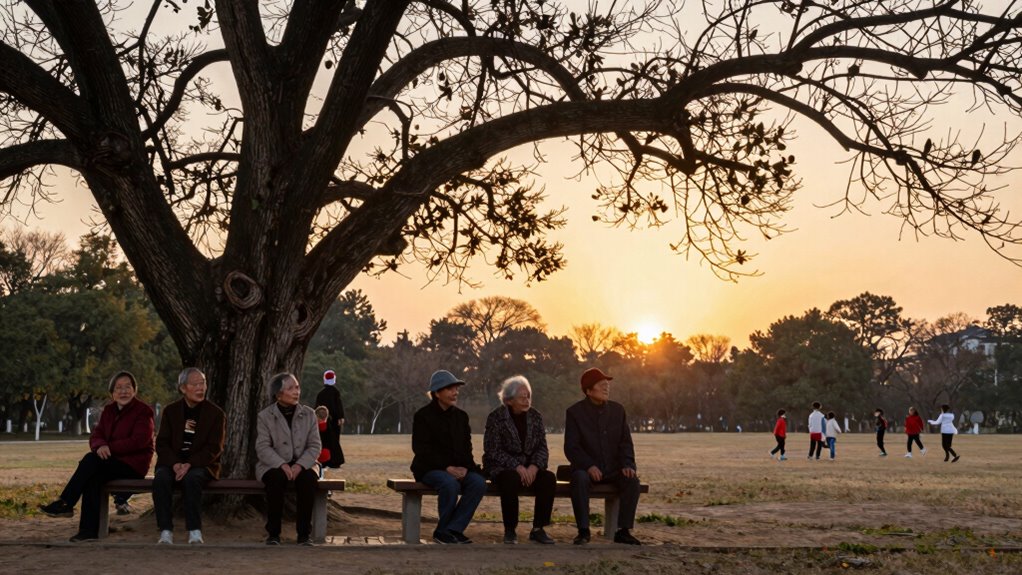

A generation usually lasts about 20 to 30 years, which is roughly the time from a parent’s birth to their child’s. But this isn’t a fixed timeframe; social, cultural, and technological shifts can shorten or extend it. Rapid societal change and overlapping identities make the boundaries between generations more fluid. Your understanding of generation length depends on these evolving influences. Keep exploring, and you’ll discover how these factors shape what defines a generation today.

Prime made for students and young adults
- Fast, free delivery for dorm and study essentials
- Prime Video and Amazon Music included
- Member-only deals
Key Takeaways
- A generation typically spans about 20 to 30 years, from a parent’s birth to their child’s birth.
- The duration of a generation is not fixed and varies based on societal and biological factors.
- Cultural shifts and technological advancements can shorten or blur traditional generational boundaries.
- Rapid societal change often leads to overlapping generational identities.
- The social and cultural context during formative years significantly influences generational definitions.
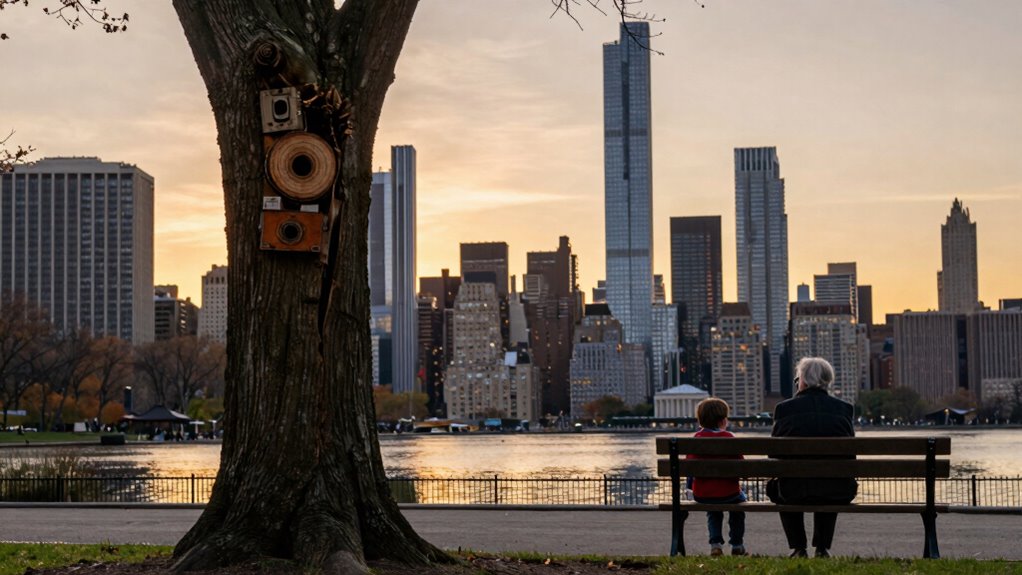
Have you ever wondered how long a generation actually is? It’s a question that’s more complex than it first appears because the answer isn’t fixed. Historically, a generation has often been considered about 20 to 30 years, roughly the span from a parent’s birth to that of their child. But this simple measure doesn’t fully capture how the concept of a generation shifts over time. What truly defines a generation is how people experience the world around them—shaped by cultural shifts and technological advancements that happen within that timeframe. These factors influence the shared values, attitudes, and behaviors of people born around the same period, making the idea of a generation more fluid than just a number.
Cultural shifts, for instance, can dramatically reshape what defines a generation. Think about the Baby Boomers, born after World War II, who grew up during a time of economic prosperity and social change. Their values, attitudes toward work, family, and politics were shaped by the post-war optimism and the rise of consumer culture. In contrast, Millennials, who came of age during the internet boom and rapid social change, have different outlooks rooted in digital connectivity and social activism. These cultural shifts create a shared experience that binds members of a generation together, even if they’re separated by a decade or two. As society evolves, so does the length of time that marks each new generation, especially when rapid change accelerates the pace of life. Additionally, the influence of technological advancements continues to redefine how generations are formed and understood, making the boundaries even more fluid. A rapid pace of societal change can lead to overlapping generational identities, further complicating the traditional timelines. Understanding these cultural influences helps us appreciate why the idea of a generation cannot be pinned down to a fixed duration, but rather is shaped by ongoing societal changes. In fact, the pace of technological change today means that generations may overlap or shift more quickly than in the past. Moreover, the social and cultural context during formative years plays a crucial role in shaping generational identities and perceptions.
As an affiliate, we earn on qualifying purchases.
Frequently Asked Questions
How Do Cultural Changes Affect the Length of a Generation?
Cultural shifts can considerably impact the length of a generation by widening intergenerational gaps. When rapid cultural changes occur, older generations might feel disconnected from new values, ideas, or technology embraced by younger ones. This accelerates the pace of change, making generations feel more distinct and possibly shorter. Conversely, slower cultural shifts can extend the duration of a generation, as shared experiences and values remain consistent over time.
Are There Differences in Generation Length Across Different Countries?
Across countries, generation lengths vary like the shifting sands beneath your feet, reflecting unique cultural tides. In some places, family dynamics and intergenerational conflict stretch the timeline, making each generation longer or shorter. In others, rapid societal changes shorten the span. You’ll notice these differences shape relationships, values, and traditions, creating a mosaic of life stages that tell stories of history, culture, and evolving identities across the globe.
How Do Technological Advancements Influence Generational Boundaries?
Technological advancements profoundly influence generational boundaries by accelerating innovation cycles, making shifts in culture and habits happen faster. You notice this when new technologies emerge quickly, shaping the way people communicate, work, and live within a few years. As technological acceleration shortens the time between innovation cycles, generations now experience more rapid change, which can redefine their shared experiences and values even within a decade.
What Role Does Life Expectancy Play in Defining a Generation?
Life expectancy profoundly impacts defining a generation because it shapes demographic shifts and influences the length of shared experiences. When people live longer, generations tend to be broader, reflecting extended periods of social and cultural change. Historical events also play a vital role, as they occur within these extended lifespans, creating distinct cohorts. Your understanding of a generation must consider both increased life expectancy and the timing of major historical moments that unify people.
Can the Concept of a Generation Change Over Time?
Yes, the concept of a generation can change over time. You’ll notice intergenerational gaps widen or narrow as cultural shifts influence values, behaviors, and technology use. These changes happen because each generation experiences unique societal events, economic conditions, and innovations. Over time, what defines a generation evolves, reflecting the dynamic nature of society and how different age groups relate to one another.
Conclusion
So, when you think about a generation lasting around 20 to 30 years, it’s easier to see how ideas, culture, and change pass from one group to the next. If you imagine a family tree, each branch represents a new generation, shaping the future with their unique experiences. This visual helps you grasp why knowing a generation’s length matters—it’s the timeline of how society evolves and how you’re part of that continuous story.
Halloween Picks
halloween
As an affiliate, we earn on qualifying purchases.


![SpaceX Starship Flight 13 Livestream [Video]](https://who-makes.com/wp-content/uploads/2026/07/spacex-starship-flight-13-livestream-video-featured-560x300.jpg)