


In the U.S., allergy season varies based on where you’re located. It often starts as early as February in southern states and can begin in March or April in many areas. Northern states typically see symptoms later, around late April or May. Pollen types like tree, grass, and weed pollen impact different times of the year. To better understand how your region’s schedule might affect your allergies, keep exploring the details below.

Prime made for students and young adults
- Fast, free delivery for dorm and study essentials
- Prime Video and Amazon Music included
- Member-only deals
Key Takeaways
- Allergy season typically begins in early spring, around March or April, in many U.S. regions.
- Southern states may experience allergy symptoms as early as February due to warmer temperatures.
- Northern states often see allergy season start in late April or May.
- Tree pollen peaks early spring, while grass and weed pollens peak later in spring and summer.
- The start and duration of allergy season vary based on regional climate and plant pollination cycles.
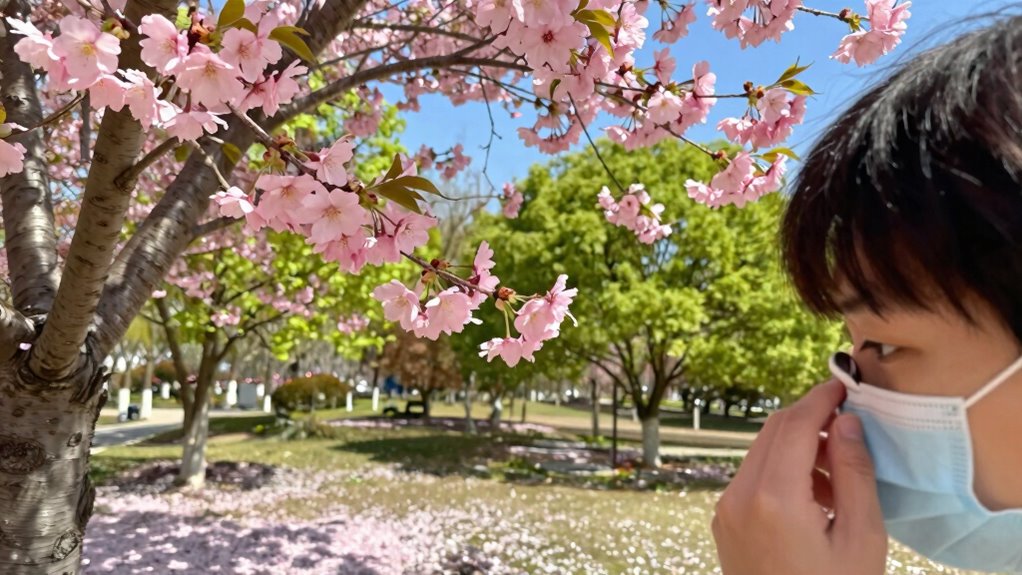
Have you ever wondered when allergy season begins in the U.S.? The answer depends on where you live and what types of plants thrive in your region. Generally, allergy season kicks off in early spring, around March or April, but for some areas, it can start even earlier or last longer. Pollen levels tend to rise as trees, grasses, and weeds release their spores into the air, making allergy symptoms more intense. If you’re prone to allergies, tracking local pollen forecasts can help you prepare and practice allergy prevention strategies. Knowing when pollen levels spike allows you to take proactive steps, like staying indoors during peak times or using air purifiers. Additionally, understanding your local allergy season timeline can help you plan your outdoor activities more effectively. In the southern parts of the U.S., allergy season often begins sooner, sometimes as early as February, because warmer temperatures encourage plants to pollinate earlier. Conversely, in northern states, it might not start until late April or May. As summer approaches, grass pollen becomes more prominent, adding to allergy woes, especially for those sensitive to grasses like Bermuda or Kentucky bluegrass. In late summer and early fall, weed pollens, particularly ragweed, cause another wave of allergy symptoms. Ragweed pollen is notoriously high in the fall, so if you’re allergic, you’ll want to keep an eye on pollen counts to avoid outdoor activities during peak times. Monitoring pollen levels can be an effective tool for allergy sufferers, helping them optimize their outdoor plans.
Understanding the seasonal variations in pollen can also inform the timing of allergy medications and other treatments to better manage symptoms. Some regions also experience extended allergy seasons, which can make symptom management more challenging throughout the year. To effectively manage your allergies, understanding when allergy season starts in your region is essential. Incorporate allergy prevention techniques into your routine, such as keeping windows closed during high pollen days, changing clothes after outdoor activities, and showering to rinse pollen from your skin and hair. Wearing sunglasses or a mask can also help reduce the amount of pollen that reaches your eyes and respiratory system. Regularly checking local pollen forecasts helps you plan your day better, minimizing exposure when pollen levels are at their highest. If you know when allergy season begins and how pollen levels fluctuate, you can take steps to lessen your symptoms and enjoy the changing seasons more fully.
Popular right now

De'Longhi Magnifica Duo Fully Automatic Espresso Machine with Milk Frother, Silver

Dyson Airstrait Styling Brush

KitchenAid Artisan 5-Quart Tilt-Head Stand Mixer with Flex Edge Beater
As an affiliate, we earn on qualifying purchases.
Frequently Asked Questions
How Do I Differentiate Allergy Symptoms From a Cold?
To differentiate allergy symptoms from a cold, pay attention to symptom overlap and seasonal timing. Allergies often cause itchy eyes, sneezing, and a clear, watery runny nose, while colds typically bring congestion, sore throat, and thicker mucus. Allergies usually persist longer and align with specific seasons or exposure to allergens, whereas colds tend to resolve within a week or two. Recognizing these signs helps you identify whether allergies or a cold are behind your symptoms.
Can Allergy Seasons Vary by State or Region?
Yes, allergy seasons vary by state or region. You’ll notice differences because regional pollen levels fluctuate based on local plant life and climate impact. For example, warmer areas might experience longer or earlier allergy seasons, while cooler regions could see later peaks. To manage your symptoms, stay aware of your area’s pollen forecast and adapt your routines accordingly. Knowing your regional patterns helps you prepare and reduce allergy discomfort.
Are There Natural Remedies to Reduce Allergy Symptoms?
Think of your body as a garden; holistic approaches and dietary adjustments help keep weeds—your allergy symptoms—at bay. Natural remedies like honey, herbal teas, and saline rinses can soothe symptoms. Incorporate anti-inflammatory foods like turmeric and omega-3s into your diet, which may reduce reactions. Many find that these gentle, natural methods, combined with lifestyle changes, can markedly lessen allergy discomfort without relying solely on medications.
How Can I Prevent Allergies From Worsening During Season?
To prevent allergies from worsening during allergy season, you should limit exposure to seasonal pollen and allergy triggers. Keep windows closed, use air purifiers, and avoid outdoor activities when pollen counts are high. Shower after being outside, change clothes promptly, and regularly clean bedding. Taking these steps helps reduce your allergy symptoms, preventing them from intensifying as seasonal pollen levels rise.
Do Allergy Medications Have Long-Term Health Effects?
Back in the day, allergy medications were thought to have no long-term effects, but recent studies suggest some may cause issues if used excessively. Long-term effects of allergy medications vary; some may cause drowsiness or other side effects, while others are generally safe. It’s best to consult your doctor about the risks and benefits to guarantee you’re managing allergies effectively without risking your health down the line.
Conclusion
As you navigate the changing seasons, remember that allergy season is like a unpredictable tide, ebbing and flowing with nature’s rhythm. While it often begins in spring and peaks in early summer, it can surprise you later in the year too. Staying vigilant and prepared helps you ride out the waves of sneezing and congestion. Keep your defenses up, and don’t let allergies turn your year into a storm you can’t weather.