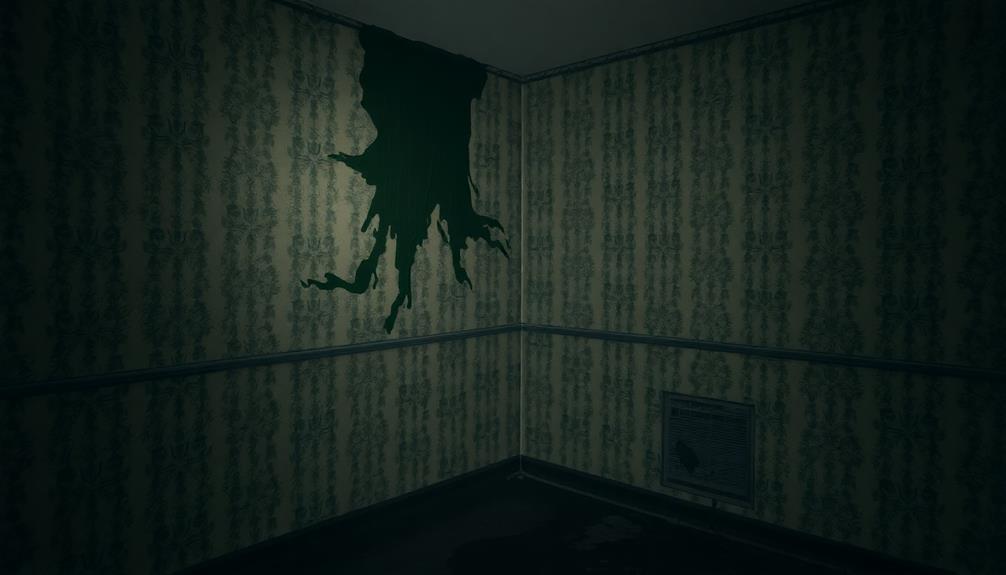

Mold in a house smells musty and earthy, a bit like damp leaves or old, wet towels. This smell can bring up memories of forgotten food or dusty books, but don't be fooled—it's a warning sign! Mold loves to hide in damp places like bathrooms and basements, and its scent means you should check for it soon. If the odor gets strong, that likely means there's more mold nearby. It's super important to act fast to prevent bigger problems! So, if you're curious about how to tackle this sneaky fungus, stick around, and you'll discover useful tips!

Prime made for students and young adults
- Fast, free delivery for dorm and study essentials
- Prime Video and Amazon Music included
- Member-only deals
Key Takeaways
- Mold in a house typically emits a musty or earthy odor reminiscent of damp leaves or wet towels.
- The smell is often strongest in damp areas like bathrooms, basements, or near water leaks.
- Mold can produce varying scents, ranging from musty to pungent, indicating different types of mold present.
- A persistent mold smell may evoke feelings of unease and can signal potential health risks, such as respiratory issues.
- Quick action is essential upon detecting the odor to prevent further mold growth and health hazards.
As an affiliate, we earn on qualifying purchases.
Introduction
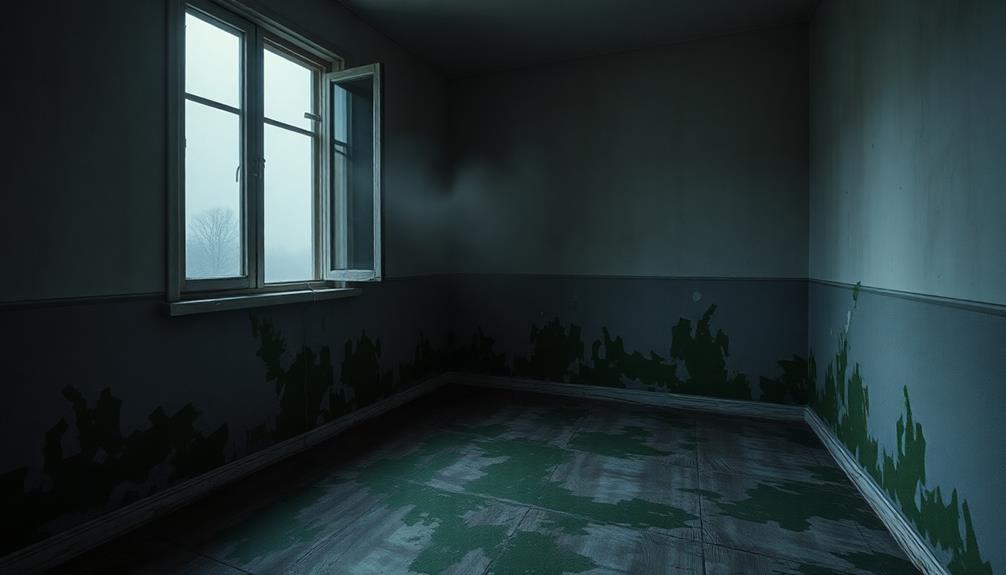
When you walk into a house and notice a musty odor, it often signals the presence of mold. Mold loves damp and dark corners, making your home feel a little less cozy. You might think, "Oh no, not mold!" But don't worry! Understanding mold and its smell can help you keep your home safe and healthy.
Mold can grow in places like bathrooms, basements, or anywhere moisture hangs around. It's sneaky, hiding behind walls or under carpets, and sometimes, it just wants to be noticed. That smell you detect? It's a friendly reminder to check for hidden trouble!
Mold can come in many colors, but it often leaves behind a telltale scent that's hard to ignore.
Now, you might wonder, "What can I do about it?" First, you'll want to investigate the areas where the smell is strongest. Look for water leaks or wet spots. Keeping your home dry is key!
If you find mold, it's best to tackle it quickly. Remember, staying informed and acting fast can make a huge difference. So, put on your detective hat, and let's keep your home mold-free together!
Description of the Smell
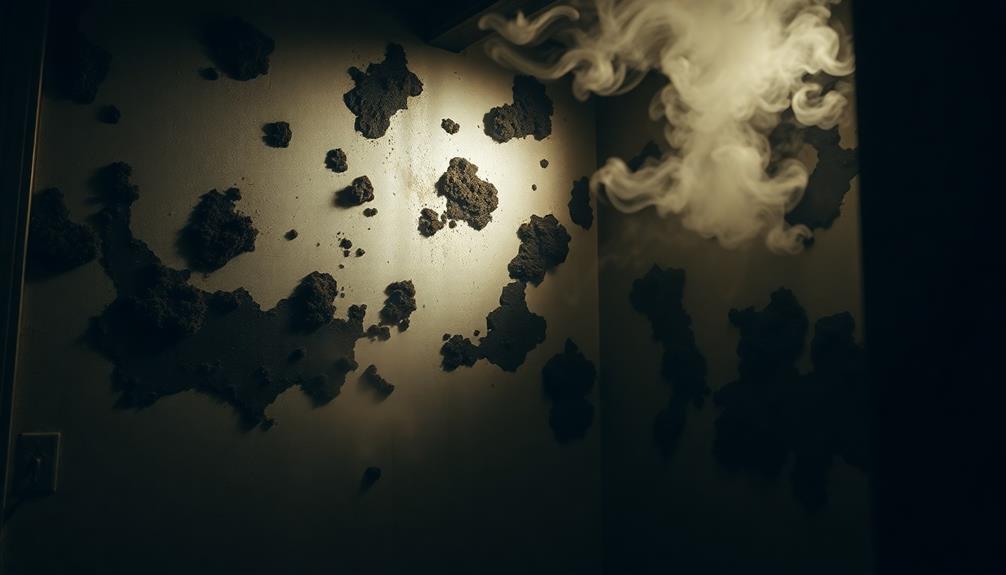
The smell of mold is often described as musty or earthy, reminiscent of damp, decaying leaves. It's a scent that can catch you off guard, and once you notice it, you might find it hard to ignore.
Imagine walking into a dark, damp basement where the air feels heavy and thick—now that's a good place to detect that unmistakable moldy odor.
When you breathe in, you might think of a wet towel that's been sitting out for too long, or maybe a forgotten sandwich left in a lunchbox. This smell can be a bit like a ghost from the past, creeping up on you and making your nose wrinkle in surprise!
Sometimes, you might even think of old books in a library, that unique blend of moisture and age.
If the smell is strong, it suggests mold might be having a party somewhere nearby, and you'll want to investigate.
Remember, this isn't just an ordinary scent; it's your nose's way of saying, "Hey, something's not right here!"
Source and Composition
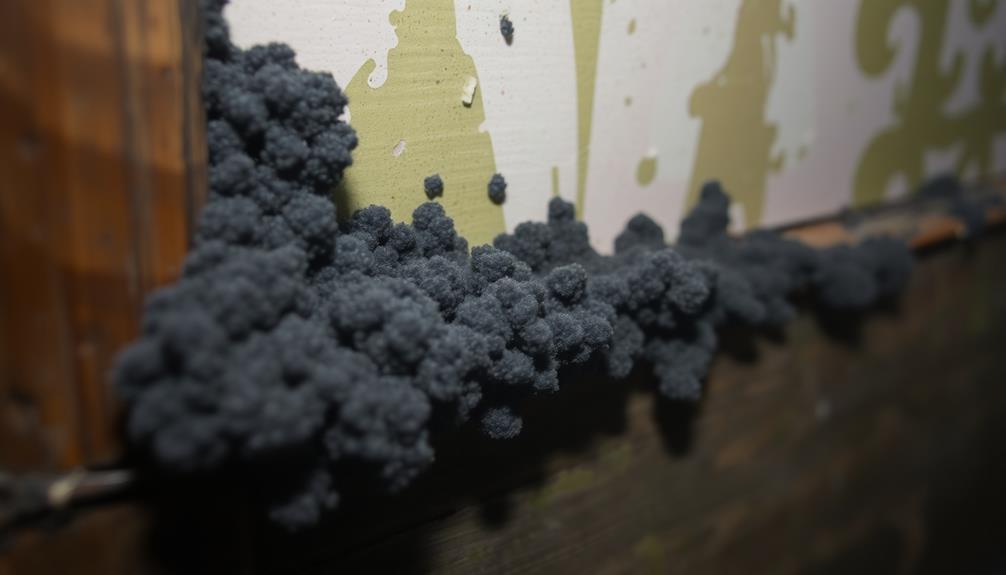
Mold thrives in environments where moisture and organic materials meet, often lurking in hidden corners of your home. You might find it in damp basements, bathrooms, or even behind walls where water leaks have occurred.
Mold is made up of tiny organisms that break down organic materials like wood, leaves, and food. When these materials get wet, mold loves to set up camp!
The composition of mold includes spores, which are like tiny seeds that float in the air. When they land in a cozy, damp spot, they can start to grow.
Different types of mold can produce various smells, and this is where it gets interesting! Some molds might smell musty, resembling old, damp wood, while others can give off a stronger, more pungent odor, similar to rotten food.
You mightn't see mold right away, but if you catch a whiff of that funky smell, it's a clue that it's nearby.
Keep your eyes and nose open, and remember that a little detective work can help you find and tackle those sneaky mold sources before they become a bigger problem!
Typical Scenarios or Environments

You might encounter mold in various typical scenarios around your home, especially in areas prone to moisture.
One common place is your bathroom, where steam from hot showers can create the perfect environment for mold to grow. If you notice a musty smell after a long soak, it's time to check those tiles and corners!
Another spot is the kitchen, particularly under the sink. Leaky pipes or spills can make this area a mold magnet. When you catch a whiff of that earthy scent, don't ignore it; a quick inspection can save you a lot of trouble.
Basements are also notorious for mold, especially if they tend to be damp. If you detect a strong odor down there, it might be a sign that mold is hiding behind boxes or walls.
Lastly, if you've had any flooding or water damage, be sure to check those affected areas. Mold loves to make itself at home in places like carpets, drywall, or even wood.
Emotional or Cultural Associations

Often, people associate the smell of mold with feelings of unease and anxiety. When you walk into a room and catch that musty scent, it can make your stomach flip. You might think of dark, damp places, and that's not very comforting, is it? Culturally, many stories and movies show moldy basements as spooky spots, adding to this feeling.
But it's not all bad! Some folks remember their grandparents' old houses, where the smell of mold reminds them of cozy family gatherings. Even though the scent isn't pleasant, it can spark warm memories.
In different cultures, this smell can mean something entirely different—like a warning sign to keep your home clean and dry.
When you sense that moldy smell, it can also make you feel like you're in a mystery, where you need to uncover the source. So, while mold's aroma might bring up some anxious feelings, it's also a reminder of how important it's to keep our living spaces healthy and enjoyable.
Embracing these mixed feelings can help you tackle any mold problem with a bit more courage and creativity!
Health or Safety Considerations
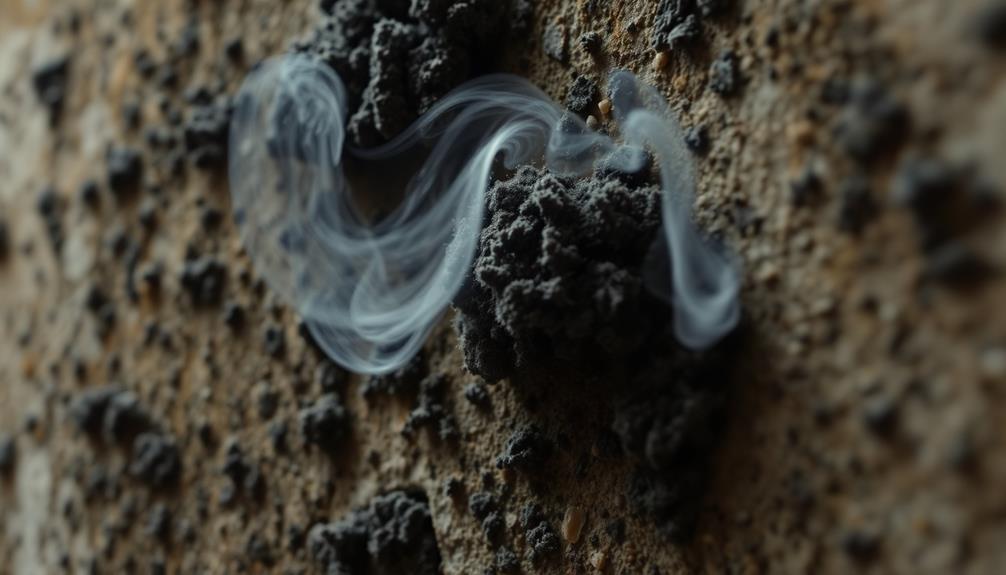
The presence of mold in a home poses significant health risks that shouldn't be ignored. Mold can create some serious problems for you and your family. Breathing in mold spores might cause sneezing, coughing, or even a runny nose. If you have asthma, mold can make it worse, causing wheezing or shortness of breath. Yikes!
You mightn't see mold right away, but you can smell it. That musty odor is your nose's way of saying, "Hey, something's not right!" If you notice this smell, it's time to investigate.
It's important to act quickly because some molds produce allergens or toxins that can make you feel really sick. If you or anyone in your home starts feeling unwell, don't hesitate to call a doctor.
And remember, never try to clean up large moldy areas without wearing a mask, gloves, and goggles.
You want to keep your home safe and healthy, so if you find mold growing, it's best to get help! By staying aware and taking action, you can protect your family's health and enjoy a happier, healthier home.
Final Thoughts
Addressing mold smells promptly is crucial for maintaining a safe and healthy living environment. If you ever catch a whiff of that musty odor, don't ignore it! Mold can be sneaky and might grow in places you can't see, like behind walls or under carpets.
It's important to act fast because mold not only smells bad, but it can also cause health issues.
First, check areas where moisture loves to hang out, like bathrooms and kitchens. If you find mold, don't panic! You can usually clean it up with a mixture of water and soap or vinegar.
Just make sure to wear gloves and a mask to keep yourself safe. If the problem seems too big, it's okay to call in the experts!
Frequently Asked Questions
How Can I Identify Mold if I Can't Smell It?
If you can't smell mold, look for visual signs like discoloration, black spots, or water damage. Check damp areas, and use a moisture meter. You might also consider air quality tests to detect hidden mold.
Does Mold Smell Differ by Type or Color?
Yes, mold smells can differ by type and color. You might notice some molds have musty, earthy scents, while others may have a more pungent odor. Identifying these differences helps you detect potential mold issues effectively.
Can Mold Smell Be Mistaken for Other Odors?
Yes, you can mistake mold's smell for musty odors, dampness, or even rotting food. It's essential to trust your nose and investigate further if you detect any unusual or persistent scents in your environment.
What Steps Should I Take if I Smell Mold?
If you smell mold, act quickly. Inspect your home for damp areas, check for visible mold, and fix leaks. Consider using an air purifier, and if the problem persists, consult a professional for help.
How Can I Prevent Mold Odors in My Home?
To prevent mold odors in your home, keep humidity levels low, fix leaks promptly, ensure proper ventilation, and clean regularly. Using dehumidifiers and air purifiers can also help maintain a fresh and healthy environment.
Halloween Picks
halloween
As an affiliate, we earn on qualifying purchases.