

Interactive science experiment kits turn abstract chemistry and earth-science concepts into hands-on play, but the category splits sharply between quantity-driven kits with 100+ experiments and curated kits with fewer, better-designed activities. The National Geographic Amazing Chemistry Set (100+ experiments) earned my best overall spot for combining genuine experiment variety with reliable instructions and real lab tools. For preschool families, the Doctor Jupiter My First Science Kit (ages 4+) stands out for age-appropriate safety, while the UNGlinga 150-Experiments kit delivers the most raw experiment count for the money, at the cost of more adult setup. The main tradeoff you’ll face: bigger kits mean more variety but also more missing-household-ingredient frustration, and chemistry sets demand closer supervision than earth-science kits. Keep reading for the full breakdown by age, budget, and experiment style.

Prime made for students and young adults
- Fast, free delivery for dorm and study essentials
- Prime Video and Amazon Music included
- Member-only deals
Key Takeaways
- Experiment counts are wildly inflated across this category — a ‘150 experiments’ kit like the UNGlinga often includes dozens of micro-variations on the same reaction, while the National Geographic Amazing Chemistry Set’s 100+ count reflects more genuinely distinct activities.
- Doctor Jupiter owns the preschool tier: both My First Science Kits (ages 4+) were the only picks designed so a four-year-old can complete most steps without reading, making them safer starter gifts than the 8+ chemistry sets.
- National Geographic dominates the mid and premium tiers on instruction quality and included tools, but its smaller kits (the 10-trick Magic Chemistry Set) offer far less long-term value than its 100+ activity boxes at similar supervision levels.
- Earth science kits (the National Geographic Earth Science Kit) require almost no chemicals and minimal supervision, making them the best pick for independent play, unlike every chemistry set in this lineup.
- Across all 15 kits, refillability was the biggest hidden differentiator — most UNGlinga and generic kits exhaust their consumables permanently, while National Geographic kits support repeatable experiments with common household items.
| UNGlinga 150 Experiments Science Kits for Kids Chemistry Lab STEM Toys | 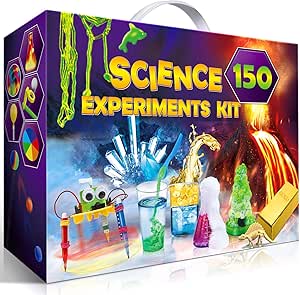 | Most Experiments Per Dollar | Brand: UNGlinga | Number of Experiments: 150 | Subjects Covered: Chemistry, Physics, Earth Science | VIEW LATEST PRICE | See Our Full Breakdown |
| National Geographic Gross Science Kit with 45 Experiments for Kids 8-12 |  | Best for Reluctant Scientists | Brand: National Geographic | Number of Experiments: 45 | Recommended Age: 8-12 years | VIEW LATEST PRICE | See Our Full Breakdown |
| UNGINGA 40+ Experiments Science Kit for Kids STEM Toy |  | Best Budget Starter Kit | Brand: UNGINGA | Number of Experiments: 40+ | Recommended Age: 8 years and up | VIEW LATEST PRICE | See Our Full Breakdown |
| Doctor Jupiter My First Science Experiments Kit for Kids Ages 4+ |  | Best for Preschoolers | Brand: Doctor Jupiter | Recommended Age: 4 years and up | Number of Experiments: 100+ | VIEW LATEST PRICE | See Our Full Breakdown |
| National Geographic Earth Science Kit with 100+ Activities for Kids 8-12 | 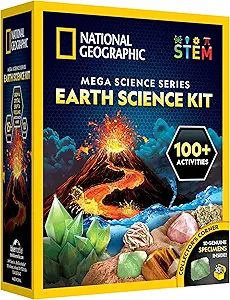 | Best for Depth and Quality | Brand: National Geographic (Blue Marble) | Number of Activities: 100+ | Recommended Age: 8 years and up | VIEW LATEST PRICE | See Our Full Breakdown |
| National Geographic Chemistry Set with 45 Experiments for Kids 8-12 |  | Best Brand-Backed Pick | Brand: National Geographic | Age Range: 8 years and up | Number of Experiments: 45 | VIEW LATEST PRICE | See Our Full Breakdown |
| Science Kit for Kids, 80 Experiments, Scientist Role Play |  | Best for Younger Scientists | Brand: Kuovei | Recommended Age: 6+ years | Number of Experiments: 80 | VIEW LATEST PRICE | See Our Full Breakdown |
| Doctor Jupiter Ultimate Science Experiments Kit for Kids Ages 8+ |  | Best Experiment Count | Brand: Doctor Jupiter | Recommended Age: 8+ years | Number of Experiments: 135+ | VIEW LATEST PRICE | See Our Full Breakdown |
| National Geographic Magic Chemistry Set with 10 Tricks for Kids Ages 8-12 |  | Best Gift-Ready Pick | Brand: National Geographic | Ages: 8-12 years | Number of Tricks: 10 | VIEW LATEST PRICE | See Our Full Breakdown |
| UNGINGA Science Kits for Kids with 50+ Experiments Chemistry Set |  | Best Value Pick | Brand: UNGINGA | Age Range: 8 years and up | Number of Experiments: 50+ | VIEW LATEST PRICE | See Our Full Breakdown |
| UNGLINGA 70 Lab Experiments Science Kit for Kids Chemistry Set |  | Best Value for Variety | Brand: UNGLINGA | Age Range: 8 years and up | Number of Experiments: 70 | VIEW LATEST PRICE | See Our Full Breakdown |
| National Geographic Science Magic Kit with 100+ Experiments for Kids 8-12 |  | Best for Performance-Minded Kids | Brand: Blue Marble (National Geographic) | Age Range: 8 years and up | Included Components: Everything for 20 magic experiments plus bonus booklet with 85+ additional experiments | VIEW LATEST PRICE | See Our Full Breakdown |
| National Geographic Junior Chemistry Set with 50 Experiments for Kids |  | Best for Preschool Scientists | Brand: Blue Marble (National Geographic) | Age Range: 4 years and up | Number of Experiments: 50 | VIEW LATEST PRICE | See Our Full Breakdown |
| Doctor Jupiter My First Science Experiments Kit for Kids Ages 4+ |  | Best Gift-Ready Starter Kit | Brand: Doctor Jupiter | Recommended Age: 4+ years | Number of Experiments: 50+ | VIEW LATEST PRICE | See Our Full Breakdown |
| National Geographic Amazing Chemistry Set with 100+ Experiments for Ages 8-12 |  | Best Overall Chemistry Deep-Dive | Brand: Blue Marble (National Geographic) | Age Range: 8 years and up | Number of Experiments: 100+ | VIEW LATEST PRICE | See Our Full Breakdown |
| interactive science experiment kit | Brand | Number of Experiments | Model Number | Recommended Age |
|---|---|---|---|---|
| UNGlinga 150 Experiments Scien | UNGlinga | 150 | — | 8+ (adult supervision advised) |
| National Geographic Gross Scie | National Geographic | 45 | — | 8-12 years |
| UNGINGA 40+ Experiments Scienc | UNGINGA | 40+ | — | 8 years and up |
| Doctor Jupiter My First Scienc | Doctor Jupiter | 100+ | DJ Junior Science | 4 years and up |
| National Geographic Earth Scie | National Geographic (Blue Marble) | — | NGMEGAEARTH | 8 years and up |
| National Geographic Chemistry | National Geographic | 45 | NGMEGACHEMX | — |
| Science Kit for Kids | Kuovei | 80 | MYJ886-A | 6+ years |
| Doctor Jupiter Ultimate Scienc | Doctor Jupiter | 135+ | — | 8+ years |
| National Geographic Magic Chem | National Geographic | — | — | — |
| UNGINGA Science Kits for Kids | UNGINGA | 50+ | HZDZKH79 | — |
| UNGLINGA 70 Lab Experiments Sc | UNGLINGA | 70 | HZDZKH030 | — |
| National Geographic Science Ma | Blue Marble (National Geographic) | — | NGMEGAMAGIC | — |
| National Geographic Junior Che | Blue Marble (National Geographic) | 50 | NGJRCHEMT | — |
| Doctor Jupiter My First Scienc | Doctor Jupiter | 50+ | — | 4+ years |
| National Geographic Amazing Ch | Blue Marble (National Geographic) | 100+ | NGMEGACHEMAR | — |
More Details on Our Top Picks
UNGlinga 150 Experiments Science Kits for Kids Chemistry Lab STEM Toys
When the goal is sheer volume of experiments, this UNGlinga set outpaces nearly everything else in the roundup with 150 activities spanning chemistry, physics, and earth science. Where the National Geographic Earth Science Kit keeps its 100+ activities focused on one discipline, UNGlinga spreads wide, which keeps kids from burning out on a single topic. The tradeoff is depth: experiments here tend to be shorter and simpler, and the kit doesn’t always spell out safety precautions as clearly as the Doctor Jupiter kits do. Instructions are illustrated and kid-friendly, but a parent should plan on being nearby, especially for chemistry-adjacent activities. Compared with the UNGINGA 40+ kit, this makes the most sense for families who want a long-running supply of projects rather than a polished, curated experience.
Pros:- 150 experiments across chemistry, physics, and earth science for exceptional variety
- Kid-friendly lab tools make role-play part of the fun
- Well-illustrated, easy-to-follow instructions kids can navigate semi-independently
- Broad subject mix prevents boredom with any single discipline
Cons:- Safety guidance is thinner than in branded kits like Doctor Jupiter, so supervision is a must
- Some experiments burn through included materials quickly and can’t be repeated
- Less depth per experiment than smaller, more curated kits
Best for: Families who want months of varied weekend projects without repeating activities
Not ideal for: Parents of kids under 8, since several experiments assume stronger reading skills and finer motor control
- Brand:UNGlinga
- Number of Experiments:150
- Subjects Covered:Chemistry, Physics, Earth Science
- Included Components:Science experiment tools and materials
- Highlight Activities:Volcano, crystal growing, dig, reactions
- Manufacturer Part Number:HZDZKH038
- Recommended Age:8+ (adult supervision advised)
Our verdict“Buy this if you want the longest runway of experiments in the roundup; skip it if you’d rather have fewer, deeper, more polished activities.”
National Geographic Gross Science Kit with 45 Experiments for Kids 8-12
This is the kit you reach for when a child claims to hate science. Boiling boogers, glowing worms, and squishy gross-outs act as a hook that conventional kits like the National Geographic Earth Science Kit can’t match, even though both come from the same brand with the same instructional quality. The educational content is real — each experiment explains the chemistry behind the ick — but parents should know going in that this is the messiest pick in the lineup. Where Doctor Jupiter leans tidy and table-friendly, this one embraces slime and splatter, so a covered table and old clothes are non-negotiable. It also leans on household items for several experiments, unlike the more self-contained Doctor Jupiter kits. As a gateway drug to STEM, though, it punches above its experiment count.
Pros:- Gross-out theme is uniquely effective at engaging kids who resist traditional science toys
- Each experiment includes real educational explanations, not just spectacle
- Bonus booklet extends the kit with additional household experiments
- Comes from a reputable brand with strong instructional design
Cons:- The messiest kit in the roundup — plan for covered surfaces and cleanup time
- Several experiments require household items not included in the box
- Theme may wear thin for kids who prefer classic chemistry over gross-outs
Best for: Parents of 8-12 year olds who need a high-interest hook to pull kids away from screens
Not ideal for: Tidy households or kids with sensory sensitivities — the mess and gross-out factor are the whole point
- Brand:National Geographic
- Number of Experiments:45
- Recommended Age:8-12 years
- Includes:Experiment guide, bonus booklet, household items list
- Theme:Gross science
- Extra Materials Needed:Some common household items
Our verdict“This pick makes the most sense for turning a science skeptic into an enthusiast, provided you can live with the slime.”
UNGINGA 40+ Experiments Science Kit for Kids STEM Toy
For a first dip into home science, this compact 40+ experiment set hits a sensible sweet spot between cost and content. Compared with its bigger sibling, the UNGlinga 150 Experiments kit, this version trims the catalog to Greatest Hits like bouncy balls and lava lamps — projects with instant visual payoff that suit younger attention spans. Unlike the National Geographic Gross Science Kit, most materials ship in the box, so you’re not scavenging the pantry mid-experiment, though a few activities still need household additions. Instructions are step-by-step and genuinely child-readable. The compromise is longevity: a motivated kid can finish the catalog in a couple of weekends, and there’s no bonus booklet like National Geographic includes to extend the fun. As a low-commitment gift or stocking stuffer, it’s the easiest entry point here.
Pros:- All necessary materials included for most experiments, so you can start immediately
- Step-by-step instructions kids can follow with minimal help
- High-payoff experiments like lava lamps and bouncy balls deliver quick wins
- Compact size makes it easy to store and great for gifting
Cons:- Smaller experiment count means it’s finished faster than the 100+ kits in this roundup
- Some experiments still require household items
- Less educational depth per experiment than National Geographic alternatives
Best for: Gift-givers and first-time buyers who want an affordable, self-contained intro to science experiments
Not ideal for: Kids who already devour experiment kits — 40 projects won’t last a dedicated young scientist long
- Brand:UNGINGA
- Number of Experiments:40+
- Recommended Age:8 years and up
- Included Components:Science experiments with materials
- Highlight Activities:Bouncy balls, lava lamps
- Manufacturer Part Number:HZDZKH52
- Supervision:Adult supervision recommended for younger children
Our verdict“Choose this as an affordable, low-risk starter kit; choose the larger UNGlinga or National Geographic sets once the interest sticks.”
Doctor Jupiter My First Science Experiments Kit for Kids Ages 4+
Most kits in this roundup draw the line at age 8, which leaves preschool parents with few options — this Doctor Jupiter set is the one that genuinely works for ages 4 and up. The difference is design philosophy: instead of scaled-down chemistry, it uses food-grade materials like corn starch, food colors, and dried lemongrass, meeting ASTM safety standards rather than just claiming kid-friendliness like the UNGlinga kits. Real lab gear — beakers, a conical flask, safety goggles — gives little ones the scientist role-play that the 80 Experiments Scientist Role Play kit targets at older kids. Compared with the National Geographic Junior Chemistry Set, the experiments here are simpler and shorter, matched to shorter attention spans. The honest tradeoff: an adult is a co-scientist, not a spectator, and a few activities still call for pantry items.
Pros:- Only major pick in this roundup rated for ages 4 and up
- Food-grade, ASTM-compliant materials make spills and curiosity safe
- Includes real lab tools like beakers, funnel, and safety goggles for role-play
- Bonus experiment booklet extends the 100+ activities
Cons:- Requires close adult participation — this is not an independent-play kit
- Some experiments need additional household items
- Experiments lack the depth older kids expect from chemistry sets
Best for: Parents of 4-7 year olds who want safe, food-grade experiments they can run together at the kitchen table
Not ideal for: Independent 9+ year olds who will find the experiments too simple and finish quickly
- Brand:Doctor Jupiter
- Recommended Age:4 years and up
- Number of Experiments:100+
- Safety Certification:Meets ASTM safety standards
- Key Tools Included:2 beakers, conical flask, spatula, funnel, safety goggles, tray
- Materials Included:Food colors, food additives, dried leaves, food essences
- Model Number:DJ Junior Science
Our verdict“If your scientist still has baby teeth, this is the safest and best-designed on-ramp in the roundup.”
National Geographic Earth Science Kit with 100+ Activities for Kids 8-12
This is the best-made kit in the batch, and it shows in ways the UNGlinga sets don’t: clearer guides, better materials, and the brand backing to match. Where the UNGlinga 150 Experiments kit trades depth for breadth across every discipline, this National Geographic set goes deep on earth science — volcano eruptions, crystal growing, and geologic digs that unfold over days rather than minutes. That slower pace is the point: kids learn patience and observation, not just instant reactions. Compared with the Gross Science Kit from the same maker, this is the calmer, more classroom-adjacent sibling, better suited to kids who like collecting rocks than provoking squeals. The tradeoffs are physical and practical: the box is bulky to store, some digs take real elbow grease, and adult help is needed for eruption setup. For a child with genuine curiosity about how the planet works, nothing else here matches it.
Pros:- Over 100 activities with detailed, well-written guides from a reputable brand
- Multi-day experiments like crystal growing teach patience and observation
- Real specimens and dig activities create a genuine collection, not disposable fun
- Backed by responsive manufacturer support
Cons:- Large, bulky kit is awkward to store between sessions
- Some experiments, especially volcano setup, require adult help
- Focused solely on earth science — no chemistry or physics variety
Best for: Kids 8-12 with genuine earth science curiosity who want multi-day projects like crystal growing and digs
Not ideal for: Apartments or homes short on storage — the large box and ongoing projects demand shelf and counter space
- Brand:National Geographic (Blue Marble)
- Number of Activities:100+
- Recommended Age:8 years and up
- Subject Focus:Earth science
- Highlight Activities:Volcano eruptions, crystal growing, geologic digs
- Model Number:NGMEGAEARTH
- Manufacturer:JMW Sales, Inc.
- Support:Backed by manufacturer service
Our verdict“The strongest overall build quality and educational depth here; pick it for a serious young geologist rather than a dabbler.”
National Geographic Chemistry Set with 45 Experiments for Kids 8-12
This set stands out for the trusted National Geographic branding and its crowd-pleasing experiment lineup — volcano eruptions, geysers, and rocket launches that produce big, visible reactions kids actually remember. Compared with the UNGINGA 50+ Experiments kit, the instructions here are noticeably more polished, with illustrated steps a 9-year-old can follow without constant parental intervention. The tradeoff is quantity: 45 experiments feels modest next to the Doctor Jupiter Ultimate kit’s 135+, so families who want maximum longevity may outgrow this one faster. Some activities also need adult supervision, and the kit doesn’t ship with full safety gear like goggles — a gap the Kuovei set fills.
Pros:- High-impact experiments like rockets and geysers that create memorable learning moments
- Illustrated, kid-friendly instructions that reduce parental hand-holding
- Backed by National Geographic’s educational pedigree and quality control
- Focused 8-12 age design keeps difficulty well-matched
Cons:- Only 45 experiments, far fewer than competing kits
- No goggles or dedicated safety equipment included
Best for: Parents who want a reputable, well-documented first chemistry set for a child aged 8-12
Not ideal for: Households wanting the most experiments per dollar or included safety equipment — this set offers neither
- Brand:National Geographic
- Age Range:8 years and up
- Number of Experiments:45
- Educational Focus:STEM / Chemistry
- Model Number:NGMEGACHEMX
- Manufacturer:JMW Sales, Inc.
- Highlight Experiments:Volcano eruptions, geysers, rocket launches
Our verdict“Buy this if you prioritize polished instructions and reliable brand quality over sheer experiment count.”
Science Kit for Kids, 80 Experiments, Scientist Role Play
What separates this Kuovei kit from the pack is its 6+ age rating — most rivals, including the National Geographic Chemistry Set, start at 8. It leans into scientist role play, shipping with goggles, gloves, test tubes, petri dishes, and droppers, so kids get the full lab-coat fantasy rather than just mixing chemicals. Compared with the Doctor Jupiter My First Science Kit (4+), it skews slightly older with more ambitious experiments like rainbow rain and erupting volcanoes. The compromise is safety: chemicals in bottles need careful handling, and material durability is less certain than the National Geographic options, so supervision is non-negotiable despite the friendly age label.
Pros:- Lower 6+ entry age makes real chemistry accessible before age 8
- Complete role-play bundle: goggles, gloves, test tubes, and lab tools included
- 80 experiments offer strong variety for the price bracket
- Safe, guided materials designed for supervised independent play
Cons:- Bottled chemicals require careful storage and handling
- Material durability is not well documented compared to bigger brands
Best for: Parents of 6-8 year olds who want dress-up-style role play bundled with real experiments
Not ideal for: Buyers who want vetted, brand-name materials — durability and chemical sourcing are less transparent here
- Brand:Kuovei
- Recommended Age:6+ years
- Number of Experiments:80
- Includes:Goggles, gloves, test tubes, petri dishes, balloons, pigments, droppers, chemicals
- Model Number:MYJ886-A
- Theme:Scientist role play
Our verdict“This pick makes the most sense for younger kids who want the full scientist costume experience, not just experiments.”
Doctor Jupiter Ultimate Science Experiments Kit for Kids Ages 8+
With 135+ experiments plus 90 bonus activities, this Doctor Jupiter kit is the volume champion of this roundup — nearly triple the count of the National Geographic Chemistry Set and well beyond the UNGINGA 50+ kit. That scale translates directly into longevity: a weekend of glow-water and underwater-volcano fun won’t exhaust the box. The leak-proof chemical bottles are a thoughtful touch for storage between sessions. The catch is that the huge count works only because many experiments lean on household items not included, so the real number of open-the-box activities is smaller. The 8+ rating is also honest — younger kids will find some procedures frustrating compared with the Kuovei set’s simpler format.
Pros:- Largest experiment library in this lineup with 90 bonus activities
- Leak-proof bottles make storage and repeated use practical
- Strong parent-child bonding design with clear instructions
- Wide mix from color changes to glowing water keeps interest alive
Cons:- Many experiments require household items not in the box
- Too advanced for children under 8 without heavy supervision
Best for: Families who want maximum long-term value and don’t mind supplementing with pantry staples
Not ideal for: Anyone expecting 135 fully self-contained experiments — many require items from your own kitchen
- Brand:Doctor Jupiter
- Recommended Age:8+ years
- Number of Experiments:135+
- Bonus Experiments:90+
- Materials Included:Chemical materials in leak-proof bottles
- Focus:STEM, creativity, parent-child learning
Our verdict“Choose this for a child who burns through kits quickly and has an adult willing to gather household extras.”
National Geographic Magic Chemistry Set with 10 Tricks for Kids Ages 8-12
This is the roundup’s focused, performance-oriented option: ten science-magic tricks like floating coins and color-changing water, packaged with a magic wand and white gloves so kids can perform for family rather than just run experiments. Compared with the National Geographic Science Magic Kit (100+ experiments), it trades breadth for polish — everything needed is in the box, no pantry scavenging like the Doctor Jupiter kit demands. That said, 10 tricks is a hard ceiling; a curious child will exhaust it in a few sessions, and the magic framing won’t suit kids who want straightforward chemistry. As a birthday gift that lands immediately, though, it’s hard to beat the out-of-box readiness.
Pros:- Fully self-contained: wand, gloves, and all tools in the box
- Performance angle builds confidence and presentation skills, not just lab skills
- Educational insights explain the science behind each trick
- Zero setup friction — works right out of the packaging
Cons:- Only 10 experiments, the smallest count in this lineup
- Magic framing may not appeal to kids wanting pure science
Best for: Gift-givers seeking a polished, ready-to-perform set that wows on day one
Not ideal for: Kids with sustained science curiosity — 10 tricks will be exhausted quickly
- Brand:National Geographic
- Ages:8-12 years
- Number of Tricks:10
- Included Tools:Magic wand, white gloves, experiment tools
- Theme:Science magic tricks
- Setup Required:None — ready out of the box
Our verdict“A great gift-box purchase for a showman-aged 8-12 kid, but a poor choice as a child’s only science kit.”
UNGINGA Science Kits for Kids with 50+ Experiments Chemistry Set
This UNGINGA kit occupies the value sweet spot: 50+ experiments with tools and materials included, sitting between the 10-trick National Geographic Magic Set and the pricier Doctor Jupiter Ultimate. For buyers who don’t need a famous brand name, it delivers a comparable hands-on chemistry experience to the National Geographic Chemistry Set‘s 45 experiments at a friendlier outlay. The compromises are familiar ones — household items needed for some experiments, and adult supervision required for younger users — plus instruction quality generally trails the illustrated National Geographic guides, which matters for kids working semi-independently. Think of it as the sensible middle choice when budget, not polish, drives the decision.
Pros:- 50+ experiments with all core scientific tools included
- Balanced difficulty for kids 8 and up working with light supervision
- Step-by-step instructions keep activities approachable
- Lower-cost entry to chemistry than big-brand equivalents
Cons:- Some experiments require household items not included
- Instruction quality and polish trail National Geographic sets
Best for: Budget-conscious buyers who want a solid mid-size experiment count without paying brand premiums
Not ideal for: Parents who want premium printed instructions and brand accountability for younger independent use
- Brand:UNGINGA
- Age Range:8 years and up
- Number of Experiments:50+
- Included Components:Scientific tools with experiment materials
- Model Number:HZDZKH79
- Number of Packs:6
- Educational Focus:Chemistry / STEM
Our verdict“A sensible mid-range choice for families who want real experiment variety without the brand-name price tag.”
UNGLINGA 70 Lab Experiments Science Kit for Kids Chemistry Set
This UNGLINGA set earns its place by delivering 70 distinct experiments at a lower per-activity cost than most name-brand rivals. Where the National Geographic Junior Chemistry Set leans on household staples, this kit includes child-safe ingredients and materials in the box, so families aren’t scrambling for vinegar or baking soda midway through a session. The variety — volcanoes, crystal growing, fruit circuits — keeps kids rotating between chemistry, geology, and basic electronics rather than repeating variations of the same reaction.
The tradeoff is polish. Compared with the National Geographic Science Magic Kit, the instruction manual and included tools feel more utilitarian, and parents should expect to supervise several activities. For buyers who want breadth on a budget, though, this is hard to beat.
Pros:- 70 experiments offer exceptional variety for the price
- Ingredients included in the box, not sourced from the pantry
- Spans multiple STEM disciplines beyond pure chemistry
- Child-safe materials with clear step-by-step instructions
Cons:- Requires adult supervision for a meaningful share of experiments
- Tools and packaging feel utilitarian compared to premium brands
- Strictly educational — limited appeal as open-ended free play
Best for: Budget-conscious families who want maximum experiment variety without buying extra supplies
Not ideal for: Parents who want premium tools and glossy manuals — the components and instructions are functional but basic
- Brand:UNGLINGA
- Age Range:8 years and up
- Number of Experiments:70
- Included Components:Science experiments and manual
- Model Number:HZDZKH030
- Category:Toys & Games
Our verdict“The smart pick for families who prioritize quantity and variety of experiments over premium presentation.”
National Geographic Science Magic Kit with 100+ Experiments for Kids 8-12
This set carves out a niche none of the others occupy: it turns science into a magic show kids can perform for family and friends. The 20 boxed tricks are designed to be demonstrated, not just observed, and the bonus booklet stretches the total past 100 activities. Compared with the UNGLINGA 70 Lab Experiments kit, which is purely about running experiments, this one adds a social, confidence-building layer — kids learn the science behind the illusion and then present it.
The tradeoff is depth. Magic framing means some experiments prioritize spectacle over rigorous chemistry, so a child who wants sustained lab-style investigation — crystal growing, titrations, extended observation — will get more from the National Geographic Amazing Chemistry Set. Materials are also more prop-like and may not survive rough handling.
Pros:- 100+ activities combining magic tricks and STEM learning
- Performable tricks build confidence and presentation skills
- Bonus booklet dramatically extends the activity count
- Strong appeal for kids bored by conventional experiment kits
Cons:- Some materials are prop-like and may lack durability
- Emphasis on spectacle over depth limits serious chemistry learning
- Adult supervision needed for several tricks
Best for: Kids aged 8-12 who love showing off what they’ve learned and want science with a performative payoff
Not ideal for: Serious young chemists who want methodical lab work — the magic framing sacrifices some scientific depth
- Brand:Blue Marble (National Geographic)
- Age Range:8 years and up
- Included Components:Everything for 20 magic experiments plus bonus booklet with 85+ additional experiments
- Total Activities:100+
- Model Number:NGMEGAMAGIC
- Manufacturer:JMW Sales, Inc.
- UPC:816448027680
Our verdict“The right choice for the showman in the family — a child who wants an audience, not just a lab bench.”
National Geographic Junior Chemistry Set with 50 Experiments for Kids
Most kits in this roundup start at age 8; this one starts at age 4, making it the clear entry point for the youngest experimenters. The standout is the 20+ real lab tools sized for small hands — test tubes, goggles, and beakers that let preschoolers feel like genuine scientists rather than spectators. Compared with the Doctor Jupiter My First Science Experiments Kit, which targets the same 4+ age group, this set leans harder into the physical lab experience rather than activity variety alone.
The flip side of early-childhood design is a low ceiling. Experiments rely on basic household items, so an eight-year-old will outgrow it quickly — families with mixed ages should look at the UNGLINGA 70-experiment set instead. Supervision remains necessary even at this gentle level.
Pros:- One of the few genuine chemistry sets rated for ages 4 and up
- 20+ child-safe lab tools including goggles and test tubes
- Clear illustrated instructions kids can follow with minimal help
- Safe, low-mess experiments suited to preschool attention spans
Cons:- Relies on household items, which limits experiment variety
- Quickly outgrown by older or more advanced kids
- Adult supervision still required for most activities
Best for: Parents of 4-6 year olds who want an age-appropriate first lab with real tools and illustrated instructions
Not ideal for: Kids over 7 — the experiments are deliberately simple and will bore an older child within a few sessions
- Brand:Blue Marble (National Geographic)
- Age Range:4 years and up
- Number of Experiments:50
- Included Components:Test tubes, goggles, and 20+ lab tools
- Educational Objective:STEM
- Model Number:NGJRCHEMT
- Manufacturer:JMW Sales, Inc.
- UPC:810070624002
Our verdict“The best first chemistry set for preschoolers, provided you accept that they’ll graduate from it within a couple of years.”
Doctor Jupiter My First Science Experiments Kit for Kids Ages 4+
Doctor Jupiter’s take on the 4+ market wins on presentation and gifting — this is the kit that looks impressive wrapped under a tree and gets a child experimenting within minutes of opening. With 50+ activities and compliance with ASTM F963-17 safety standards, it gives gift-givers confidence that the contents are appropriate for preschoolers. Compared with the National Geographic Junior Chemistry Set, it offers more activity variety but fewer physical lab tools — the emphasis is on guided experiments rather than role-play with beakers and goggles.
That split matters. A child who wants to dress up and play scientist will prefer the Nat Geo junior set; a child who wants one fresh activity after another gets more mileage here. The ceiling is the same problem both kits share: older children will find it basic.
Pros:- 50+ experiments with genuinely easy-to-follow instructions
- Meets ASTM F963-17 safety standards for toys
- Attractive gift-ready packaging ideal for birthdays and holidays
- Promotes screen-free, independent problem-solving
Cons:- Too basic for children beyond early elementary age
- Fewer physical lab tools than competing junior chemistry sets
- Durability of materials is not well documented
Best for: Gift-buyers seeking a polished, safety-certified starter kit with wide experiment variety for ages 4 and up
Not ideal for: Kids 8 and older or families wanting real lab equipment — the activities are introductory by design
- Brand:Doctor Jupiter
- Recommended Age:4+ years
- Number of Experiments:50+
- Safety Standards:ASTM F963-17 compliant
- Educational Focus:STEM, critical thinking, problem-solving
- Instructions:Easy-to-follow illustrated guide
Our verdict“A dependable, safety-certified gift choice for young children — just don’t expect it to challenge an older sibling.”
National Geographic Amazing Chemistry Set with 100+ Experiments for Ages 8-12
For a child who wants real, sustained chemistry rather than tricks or one-off demos, this is the strongest pick in the lineup. The 100+ experiments include genuinely satisfying processes — crystal growing, color-changing solutions, glowing test tubes — and the bonus guide adds 85 more activities using household items, effectively doubling the lifespan of the kit. Where the Science Magic Kit prioritizes performance and the UNGLINGA 70 set prioritizes breadth, this one prioritizes depth of scientific engagement with proper tools like test tubes and beakers.
Patience is the price. Crystal growing and multi-step reactions take hours or days, which frustrates kids who want instant results — those buyers are better served by the magic kit. Younger children will also need an adult nearby, and the experiment guide could spell out safety precautions more explicitly.
Pros:- 100+ experiments focused on genuine chemistry rather than gimmicks
- Real lab tools including test tubes and beakers
- Bonus guide adds 85 household-item experiments
- Backed by National Geographic’s quality standards and customer service
Cons:- Some experiments take days to complete and test a child’s patience
- Adult supervision needed for younger users
- Safety guidance in the materials is less detailed than parents may want
Best for: Kids 8-12 with genuine scientific curiosity and the patience for multi-step, observation-based experiments
Not ideal for: Impatient kids who want immediate payoffs — several experiments require waiting and careful sequencing
- Brand:Blue Marble (National Geographic)
- Age Range:8 years and up
- Number of Experiments:100+
- Bonus Content:Guide with 85 additional household-item experiments
- Key Activities:Crystal growing, color-changing solutions, glowing test tubes
- Included Components:Chemistry kit with test tubes and beakers
- Model Number:NGMEGACHEMAR
- Manufacturer:JMW Sales, Inc.
- Warranty:Backed by manufacturer quality standards and customer service
Our verdict“The best choice for a young scientist ready to move past flashy demos into experiments that actually teach chemistry.”

How We Picked
I evaluated each kit against five buyer-relevant criteria: true experiment variety (distinct activities, not renumbered variations), instruction clarity, age-appropriate safety and supervision demands, quality of included tools and consumables, and value after the first weekend — whether experiments are repeatable and whether refills require obscure ingredients. Kits that inflated their experiment counts with filler activities ranked below kits with fewer, better-executed experiments. I also weighted how much independent play each kit allows, since a parent buying for an eight-year-old has very different needs than one buying for a four-year-old.
The ranking order reflects a simple logic: kits that balance variety, safety, and instruction quality sit at the top; kits that excel in one dimension but fall short in others fill specialist roles. The National Geographic 100+ activity boxes rose to the top because they pair scale with credible educational framing and sturdy tools. Value-tier UNGlinga kits placed mid-list — strong on quantity, weaker on instructions and refillability — while the smallest kits earned beginner or gift-occasion niches rather than top slots.
Factors to Consider When Choosing Interactive Science Experiment Kits
Before choosing a kit, it helps to understand how this category really works — the marketing on the box rarely matches what’s inside. These are the factors that actually separate a kit that gets used for months from one that’s abandoned after a weekend.Age Range Gaps Are Real, Not Marketing
The jump from a 4+ kit to an 8+ chemistry set is bigger than most parents expect. Kits labeled 4+ rely on color changes, bubbles, and tactile play, and they’re built so a pre-reader can follow picture-based steps. The 8+ chemistry sets in this lineup involve measured reagents, timed reactions, and small parts that genuinely require an adult present. Buying up ‘to grow into’ a kit usually backfires here: a six-year-old with a 45-experiment chemistry set will need you to run nearly every step, which defeats the purpose of an independent activity. A common mistake is treating the age label as a difficulty suggestion rather than a supervision boundary.
Experiment Count Is the Least Reliable Statistic
Manufacturers know big numbers sell boxes, so a 150-experiment kit may count the same baking-soda volcano in five color variations. What matters more is how many genuinely distinct activity types a kit contains and how long each one holds attention. A kit with 15 substantial experiments often outperforms a 150-count kit of five-minute demos. When comparing, look at the actual experiment list if it’s shown, and check whether the kit includes real lab tools — test tubes, stands, measuring tools — which signal deeper activities rather than single-use packets.
Chemistry vs. Earth Science vs. Magic Sets
This roundup revealed three distinct kit personalities. Chemistry sets deliver the most dramatic reactions but consume reagents and need supervision. Earth science kits (crystal growing, dig kits, volcano building) are slower, mostly reusable, and work well for solo play. Magic-themed sets hook reluctant scientists with performance framing, but their experiments tend to be one-trick demos with thin science explanations. If your goal is sustained STEM learning, chemistry and earth science kits outperform magic sets; if your goal is engaging a kid who claims to hate science, a magic set is the better entry drug.
What Happens After the Consumables Run Out
Most kits in this category are partially disposable — the test tubes stay, but the powder packets don’t. The hidden question is whether a kit’s experiments can be repeated with household materials like vinegar, baking soda, and food coloring, or whether they depend on proprietary refills that aren’t sold separately. National Geographic kits generally lean on common household chemistry, which extends their life considerably. Generic and role-play kits more often include mystery powder mixes with no ingredient list and no refill path. Before buying, assume the headline experiment count represents one pass through the kit, and judge the price against that.
Supervision Budget: Yours, Not Just Theirs
Be honest about how much of the activity you want to run yourself. Kits that require an adult to measure, pour, and explain every step aren’t bad products — but they’re a different purchase than a self-directed activity kit. Parents who want a Saturday-morning project will be happy with a supervised chemistry set. Parents who need something a child does independently while they work nearby should steer toward earth science kits, dig kits, and the picture-based preschool options. This single factor causes more post-purchase disappointment than any other in the category.
Duplicate Kits and Gift Overlap
Several products in this lineup are close cousins — three National Geographic chemistry sets share experiment overlap, and the two Doctor Jupiter preschool kits are near-identical. If you’re buying for a child who already owns one kit from a brand, check whether the experiments differ meaningfully before adding a second. This is especially common with gifts: a household can easily end up with two volcano kits and three color-changing cabbage experiments. When in doubt, switch categories (chemistry to earth science, or science to magic) rather than doubling up within the same niche.
Frequently Asked Questions
Are big experiment-count kits actually better for learning?
Not usually. My comparison found that kits advertising 150 experiments frequently pad the count with slight variations of the same reaction, while kits with 45–100 well-differentiated activities tend to teach more distinct scientific concepts. A child who does ten genuinely different experiment types learns more than one who repeats a color-change demo fifteen ways. Big-count kits still make sense for variety-loving kids who burn through activities quickly, but read the experiment descriptions rather than trusting the headline number. The best signal of depth is whether the kit includes real tools like test tubes, stands, and measuring devices alongside the activity guides.
What age is safe to start with a chemistry experiment kit?
The kits in this lineup split cleanly at age eight: chemistry sets with reagents and small glass or plastic vessels are labeled 8+ for good reason, involving measured mixing that needs an adult nearby. For ages four to seven, the picture-based preschool kits — like the Doctor Jupiter My First Science entries — are the appropriate entry point, relying on safe, tactile reactions an adult sets up in advance. You can introduce chemistry concepts earlier with earth science kits, which carry almost no chemical risk. Pushing a six-year-old into an 8+ chemistry set is possible, but expect to run nearly every experiment yourself, which changes the nature of the gift.
Can experiments be repeated once the included materials run out?
It depends heavily on the brand, and this was one of the clearest dividing lines in the comparison. National Geographic kits mostly build experiments around household staples — vinegar, baking soda, dish soap — so many activities can be repeated indefinitely after the packets are gone. Generic and role-play kits more often include unlabeled proprietary powder mixes with no refill option, making them single-pass products. Check whether the kit’s guide references common household ingredients; that’s a strong sign of long-term reusability. Assume any consumable-heavy kit represents one full pass through its experiment list when judging its value.
Is a magic science kit as educational as a straight chemistry set?
Magic-themed sets teach real chemistry — the tricks are genuine reactions — but the framing prioritizes performance over explanation, and the science write-ups are usually thinner. Compared with a straight chemistry set of similar size, a magic kit typically offers fewer distinct experiments and less conceptual depth per activity. That said, they’re an excellent gateway for kids who claim science is boring, because the payoff is a trick to show family members rather than a lab result. If engagement is your hurdle, start with the magic set and graduate to a standard chemistry kit once curiosity takes hold. If your child is already interested in science, skip the magic framing and go straight to the deeper sets.
How much adult supervision do these kits realistically need?
Plan on active participation for every chemistry set in this lineup: measuring reagents, managing spills, and explaining results all fall to the accompanying adult, typically 30–60 minutes per session. Earth science kits like crystal growing and dig kits need far less oversight after the initial setup, making them the best choice for independent play. Preschool kits sit in between — an adult sets up each activity, but the child can execute the fun parts alone. A realistic rule of thumb: the more dramatic the reaction, the more of your attention it will require. If you’re buying specifically to occupy a child while you work, choose earth science or dig-based kits, not chemistry.
Conclusion
The right pick depends on who’s opening the box. For best overall, the National Geographic Amazing Chemistry Set pairs the largest count of genuinely distinct experiments with the best instructions and tools in the lineup. For best value, the UNGlinga 150-Experiments kit delivers the most activities per dollar, provided you accept more adult involvement and thinner guidance. The National Geographic Earth Science Kit takes the premium-adjacent versatility slot as the best choice for independent, low-supervision play, while the Doctor Jupiter My First Science Kit is the clear best for beginners — the only option genuinely built for four-year-olds.
For specific needs: choose the National Geographic Magic Chemistry or Science Magic kits for reluctant scientists who need a performance hook, the UNGinga 40+ and 50+ experiment kits for compact, giftable starter sets, and the Doctor Jupiter Ultimate kit for an eight-year-old ready for serious chemistry with strong instructional support. Whatever you choose, match the kit to the child’s age and your available supervision time — those two factors predict satisfaction far better than the experiment count on the box.
Halloween Picks
halloween
As an affiliate, we earn on qualifying purchases.