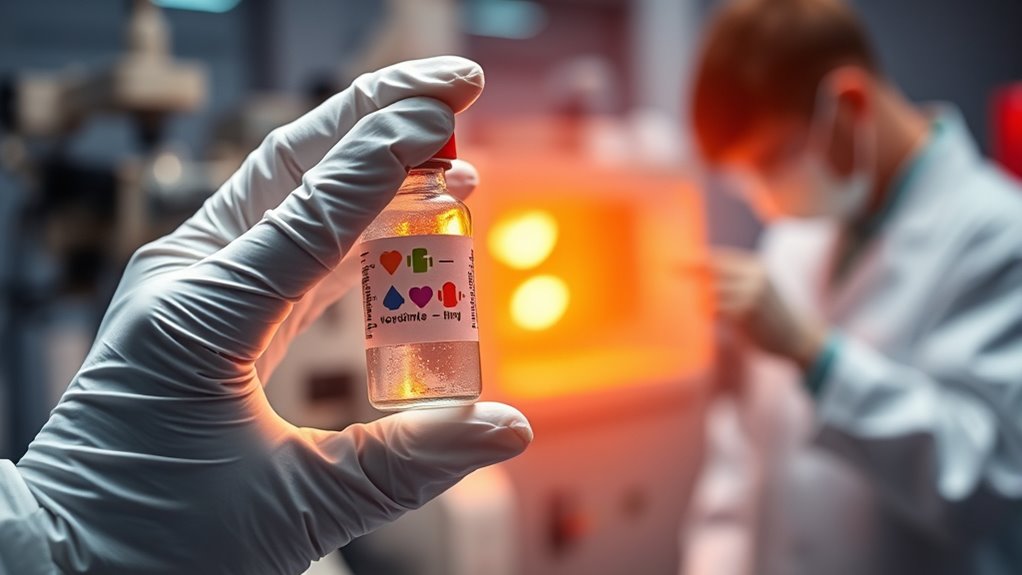

Vaccines help your immune system recognize and fight specific germs without making you sick. They introduce weakened, inactivated, or protein parts of the pathogen, prompting your immune cells to produce antibodies. These antibodies act as trained soldiers, neutralizing the threat if you encounter the real germ later. Vaccines also activate T-cells and create immunological memory, so your body responds faster next time. Want to understand how this process keeps you safe? Keep exploring!
Key Takeaways
- Vaccines introduce harmless parts of pathogens to train the immune system.
- They stimulate the production of specific antibodies and activate T-cells.
- This immune response creates memory cells for faster future protection.
- Vaccines prevent disease development and reduce transmission in communities.
- They undergo rigorous testing to ensure safety, effectiveness, and immune response strength.
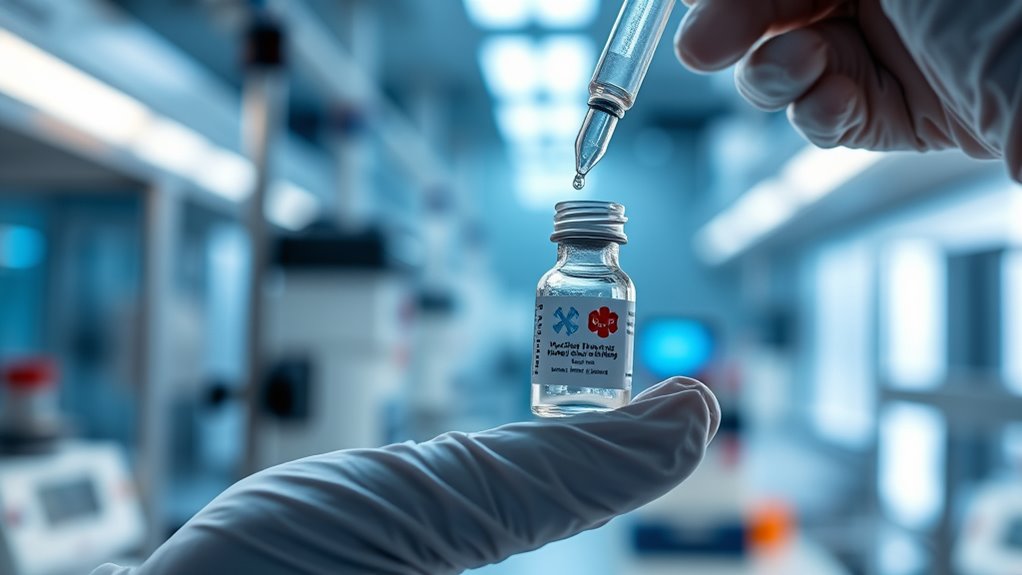
Have you ever wondered how vaccines protect you from diseases? It all starts with vaccine development, a meticulous process that involves identifying parts of a pathogen, like a virus or bacteria, that can safely trigger your immune system without making you sick. Scientists work tirelessly to design vaccines that are both effective and safe, often using weakened or inactivated versions of the pathogen, or even just specific proteins from its surface. Once a vaccine is developed, it’s tested through clinical trials to ensure it produces a strong immune response. This step is vital because it confirms that the vaccine can effectively prepare your immune system to fight off the actual disease.
Vaccine development identifies safe pathogen parts to trigger immune responses without causing illness.
When you receive a vaccine, what happens inside your body is a sophisticated immune response. It’s not just about producing antibodies but also about training your immune system to recognize and remember the invader. The vaccine introduces a harmless piece or version of the pathogen, which your immune system sees as a threat. In response, your immune cells start to produce specific proteins called antibodies that can latch onto the pathogen if you encounter it later. These antibodies act like highly trained soldiers, ready to neutralize the real pathogen before it can cause illness.
But your immune response doesn’t stop at antibody production. Vaccines also activate other aspects of your immune system, such as T-cells, which help identify and destroy infected cells. This multi-faceted response creates a kind of immunological memory—your body “remembers” how to fight that particular disease. Understanding immune response is key to appreciating how vaccines provide protection. So, if you’re exposed to the actual pathogen after vaccination, your immune system can respond quickly and effectively, preventing you from getting sick or greatly reducing the severity of the illness.
This process of immune training is vital because it provides long-lasting protection without forcing you to endure the full-blown disease. That’s why vaccines are such powerful tools in public health—they boost your immune response in a controlled way, reducing the spread of contagious diseases. Continued research and development help improve existing vaccines and create new ones, making the process safer and more efficient. By understanding how vaccine development and immune response work together, you gain appreciation for the incredible science behind these life-saving interventions. Vaccines are not just about individual protection—they’re about building herd immunity and safeguarding entire communities against infectious threats.

The Vaccine Book: Making the Right Decision for Your Child (Updated in 2023) (Sears Parenting Library)
As an affiliate, we earn on qualifying purchases.
As an affiliate, we earn on qualifying purchases.
Frequently Asked Questions
How Long Does Vaccine Immunity Typically Last?
Vaccine immunity duration varies depending on the vaccine and individual factors. Typically, vaccine longevity can range from several months to several years, with some vaccines providing long-lasting immunity and others requiring booster shots. You should stay updated with health recommendations, as immunity may diminish over time. Regular boosters help maintain ideal immunity duration, especially for vaccines like tetanus or COVID-19, ensuring you stay protected longer.
Are There Risks of Developing Allergies From Vaccines?
You might wonder if vaccines can cause allergies, and while vaccine allergies and allergic reactions are possible, they are rare. Most people tolerate vaccines well, and health professionals monitor for any signs of allergic reactions. If you have a history of allergies, inform your doctor beforehand. Vaccines are thoroughly tested to minimize risks, so serious allergic reactions are uncommon and usually treatable if they do occur.
Can Vaccines Cause the Diseases They Protect Against?
No, vaccines can’t cause the diseases they protect against. Think of vaccine safety like an impenetrable fortress, designed to trigger your immune response without releasing the actual disease. When you get vaccinated, your immune system trains like a hero in a simulation, preparing to fight off real infections. So, rest assured, vaccines are safe and effective, creating a powerful shield without risking the illness itself.
How Do Mrna Vaccines Differ From Traditional Vaccines?
You might wonder how mRNA vaccines differ from traditional vaccines. They use mRNA technology to teach your cells to produce a harmless piece of the virus, prompting an immune response. Unlike traditional vaccines that often use weakened or inactivated viruses, mRNA vaccines don’t contain live virus. This approach can increase vaccine efficacy and reduce side effects. It’s a quick, adaptable method that’s proving highly effective against COVID-19.
Are There Age Restrictions for Certain Vaccines?
Sure, some vaccines come with age restrictions, so you can’t just get any shot you want—imagine that! Vaccine eligibility often follows age-specific recommendations, meaning kids, teens, and adults might face different rules. It’s a bit like a selective club, where certain vaccines are reserved for certain ages to keep everyone safe. So, check the guidelines—it’s all about protecting you and those around you.

Clean Nutraceuticals Immune Defense Support Supplement 8 in 1 with Zinc 50mg Quercetin, VIT C 1000mg, Vitamin D3 5000 IU, Elderberry, Ginger – Immunity System Booster for Adults, Vegan – 60 Count
8 in 1 Immunity Vitamins with Zinc Quercetin – While other brands only provide 50mg of Zinc Supplement…
As an affiliate, we earn on qualifying purchases.
As an affiliate, we earn on qualifying purchases.
Conclusion
Imagine your immune system as a vigilant fortress, ready to defend at a moment’s notice. Vaccines act like skilled instructors, training your defenses to recognize and fight off invaders before they breach your walls. By welcoming this knowledge, you bolster your body’s ability to stand strong against illness. So, when a vaccine enters your body, picture it as a tiny messenger, arming your fortress with the battle plan needed to keep you safe and healthy.

Card Vaccine Certificate Protective Case Holder Protector Immunization Record Vaccine Cards Case Holder Vaccination Certificate Protective Cover (4)
✔ PERFECT 4" x 6" FIT FOR CDC VACCINE CARDS ✔ WATERPROOF & TEAR-RESISTANT PVC MATERIAL ✔ CLEAR,…
As an affiliate, we earn on qualifying purchases.
As an affiliate, we earn on qualifying purchases.

HOMEDSUN H. Pylori Antibody Test Kit Rapid at-Home Blood Test for Helicobacter Pylori Detection Easy to Use Non-Invasive Quick Results
Fast & Reliable H. Pylori Detection: Easily check for Helicobacter pylori (H. pylori) antibodies in your blood. Get…
As an affiliate, we earn on qualifying purchases.
As an affiliate, we earn on qualifying purchases.