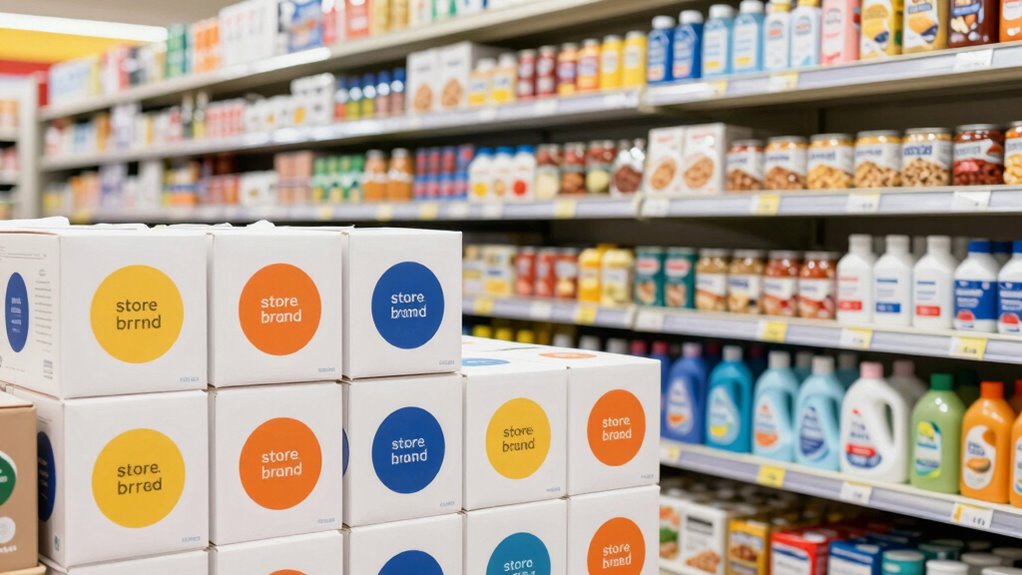

A store brand, also called a private label, is a product sold only at a specific retailer under their own name. It’s made by the store or a third-party and offers similar quality to national brands but at a lower price. These products cut advertising costs and follow strict quality standards, helping you save money without sacrificing quality. If you want to discover how these brands benefit both shoppers and stores, keep exploring further.

Prime made for students and young adults
- Fast, free delivery for dorm and study essentials
- Prime Video and Amazon Music included
- Member-only deals
Key Takeaways
- A store brand is a product sold exclusively by a specific retailer under its private label.
- It is produced by the retailer or a third-party manufacturer, not major national brands.
- Store brands typically offer similar quality at a lower price due to reduced marketing costs.
- They help retailers build customer loyalty and increase profit margins.
- Many store brands meet strict quality standards and are tested to ensure consumer satisfaction.
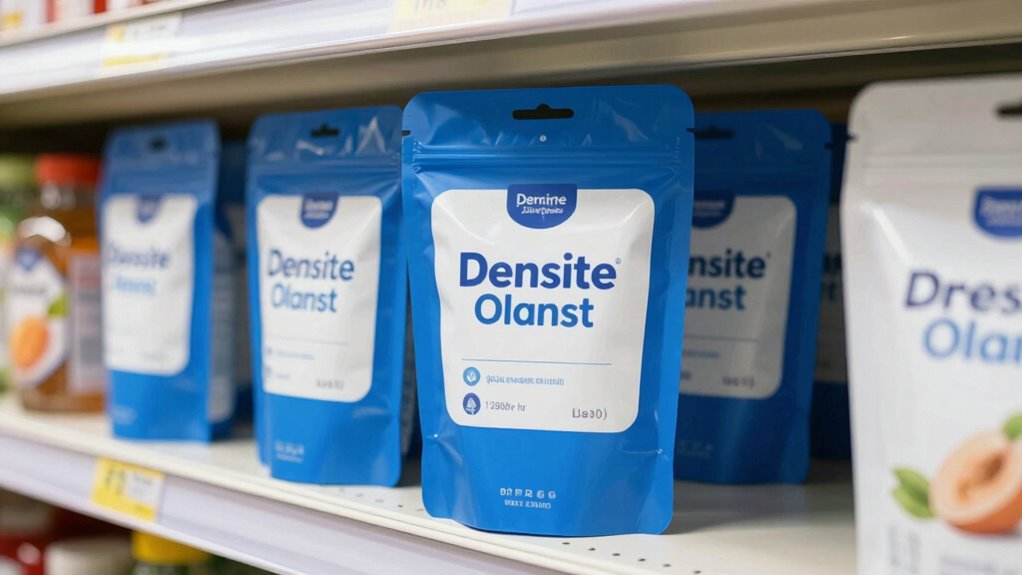
Have you ever wondered why store brands often cost less than their name-brand counterparts? The answer lies in how these products are created and marketed. Store brands, also called private labels, are products that are sold exclusively by a specific retailer. Instead of being made by the big-name companies you see on familiar packages, these products are produced by the retailer or a third-party manufacturer under the store’s own label. This setup allows stores to control costs from production to packaging, which often results in lower prices for consumers. Since these products are sold only through that retailer, they don’t have to bear the costs associated with national advertising campaigns or extensive branding efforts. This is a key reason why store brands are typically more affordable.
Store brands are cheaper because they are produced and marketed directly by retailers, reducing advertising and branding costs.
Many customers develop a sense of brand loyalty toward store brands because they see them as a way to save money without sacrificing quality. Over time, you might notice that store brands have improved in quality and variety, making them an attractive choice for everyday shopping. You might initially stick to familiar name brands, but once you try the store’s private labels and find them satisfactory, you may start choosing them more often. This creates a cycle where your trust in the store’s private labels grows, reinforcing your loyalty. Retailers often promote their store brands as a way to provide value and build a stronger relationship with customers, encouraging repeat business. Additionally, store brands often meet standardized quality criteria similar to national brands, further enhancing their appeal. Recognizing the cost savings associated with private labels can help shoppers make more informed decisions at the store.
Furthermore, many store brands are now produced with improved quality control measures, making them more comparable to national brands than ever before. Some stores even conduct consumer testing to ensure their private labels meet customer expectations, which has increased their credibility. What makes private labels particularly appealing is their ability to offer similar quality at a lower price. They are often developed through strict quality standards**, ensuring consistency and reliability in their products. They’re designed to meet the same standards as national brands, but without the hefty marketing costs. As a result, you get a product that’s comparable in taste, appearance, or function** but at a fraction of the cost. This strategic positioning benefits both the store and the shopper: the store gains customer loyalty and higher margins, while you save money on your regular purchases. Over time, store brands have become a significant part of many shoppers’ routines, especially as they look for ways to stretch their budgets without compromising on quality.
Ultimately, understanding what store brands are—and recognizing their potential for value—can help you make smarter choices at the grocery store or pharmacy. With private labels, you get the opportunity to enjoy quality products that support your budget and foster a sense of trust and loyalty to the retailer. By exploring different store brands, you might find some favorites that become staples in your shopping cart, proving that sometimes, a store’s own label can be just as good as the more expensive name brands.
As an affiliate, we earn on qualifying purchases.
Frequently Asked Questions
Are Store Brands Always Cheaper Than National Brands?
Store brands are usually cheaper than national brands, but it’s not always the case. Your perception of store brands can influence whether you see them as a good value, especially if you trust their quality. If you’re loyal to a specific national brand, you might pay more, even if a store brand offers similar quality. Ultimately, comparing prices and considering your brand loyalty helps you decide whether store brands are worth it.
How Do Store Brands Compare in Quality to National Brands?
You find yourself at the grocery aisle, holding a store brand product that looks familiar yet different. Generally, store brands match national brands in quality, thanks to competitive manufacturing and strict standards. Brand loyalty often influences your perception, but many store brands offer product differentiation—like unique flavors or packaging—that rivals national brands. So, your choice hinges on your preferences, trust, and the value you seek, not just price.
Can Store Brands Be Found at All Types of Stores?
You can find store brands at nearly all types of stores, from big supermarkets to specialty shops. Stores offer a wide variety of store brand options, ensuring you have choices in quality and price. Store brand availability is high across different retail environments, making it easy for you to pick products that suit your needs without sticking to national brands. This broad variety helps you save money while shopping for essentials and indulgences alike.
Do Store Brands Have the Same Return Policies as National Brands?
Think of store brands as loyal crew members with their own rules. While some stores mirror their national brand policies, others have unique return policies, so you might not always get the same flexibility. Your store brand loyalty can be tested here, as the variety might mean different return windows or conditions. Always check the store’s policy before purchasing, so you’re prepared to navigate its specific rules and avoid surprises.
Are Store Brands Available Online or Only in Physical Stores?
You can find store brands both online and in physical stores. Many retailers offer online shopping options with digital exclusives, making it easy to browse and purchase your favorite store brands from the comfort of your home. This convenience means you don’t have to visit a store physically to get these products. So, whether you prefer shopping online or in person, store brands are accessible in multiple ways.
Conclusion
Now that you know what a store brand is, you might be wondering if it’s worth trying. Could these products really match the quality of name brands? The truth is, many store brands are just as good—and sometimes even better—than the more familiar options. But there’s one secret that could change everything. Are you ready to discover the surprising advantages that could make your next shopping trip a game-changer? The choice is yours—what will you decide?
Columbus Day / Indigenous Peoples' Day Picks
long weekend sales
As an affiliate, we earn on qualifying purchases.