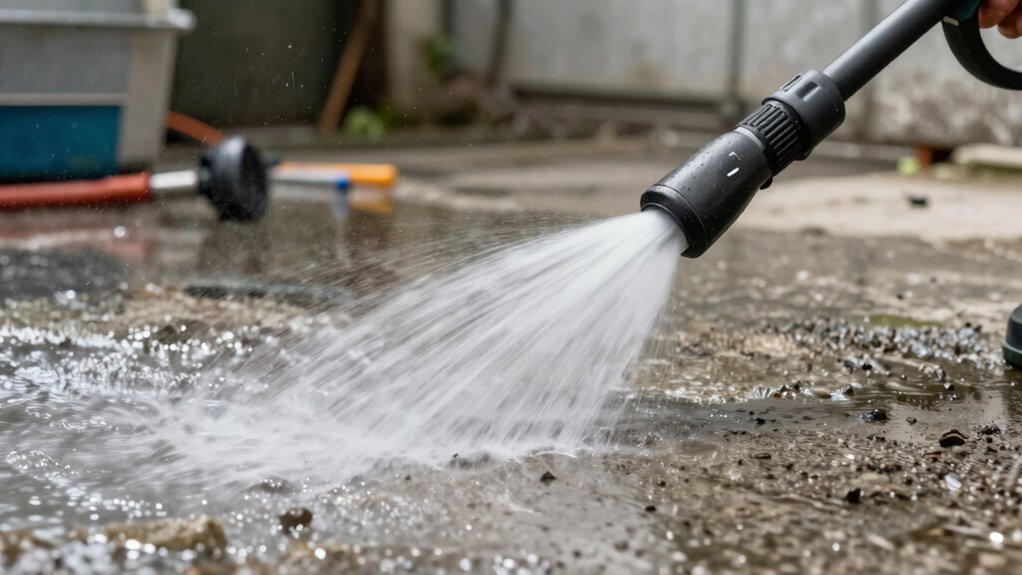

When choosing a pressure washer, understanding PSI and GPM helps you get the most cleaning power. PSI measures how forcefully water hits a surface, ideal for tough grime, while GPM indicates how much water flows, helping you rinse larger areas faster. Balancing PSI and GPM guarantees thorough cleaning without damaging surfaces or wasting water. Want to know how to combine these factors for perfect results? Keep going to discover the full details.

Prime made for students and young adults
- Fast, free delivery for dorm and study essentials
- Prime Video and Amazon Music included
- Member-only deals
Key Takeaways
- PSI measures the cleaning force, while GPM determines water flow, both crucial for effective cleaning performance.
- High PSI is ideal for tough stains; high GPM speeds up large-area cleaning.
- Balancing PSI and GPM prevents surface damage and ensures thorough cleaning.
- For delicate surfaces, lower PSI with sufficient GPM avoids damage while cleaning effectively.
- Optimizing both metrics enhances cleaning efficiency, reduces time, and prevents equipment wear.
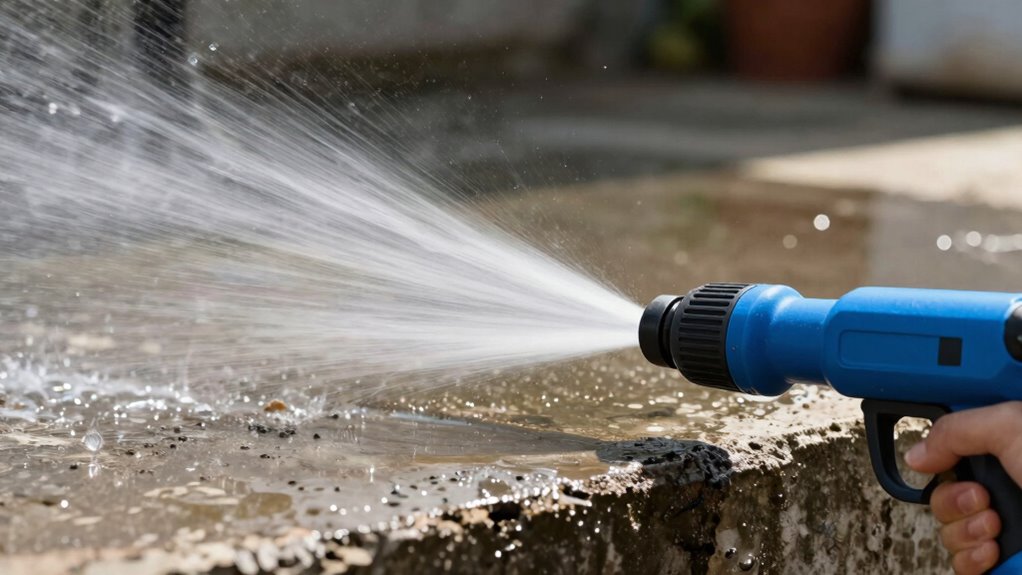
When choosing a pressure washer, understanding the difference between PSI (pounds per square inch) and GPM (gallons per minute) is fundamental to getting the right equipment for your cleaning needs. These two measurements directly influence the cleaning power and efficiency of your washer, but they serve different purposes. PSI measures the force of water pressure, which impacts how well the surface is cleaned, while GPM indicates how much water flows through the system, affecting overall water flow efficiency. Knowing how these factors work together helps you select a machine that delivers ideal results for your specific tasks. Additionally, water flow efficiency plays a crucial role in ensuring thorough cleaning without wasting water. Surface preparation plays a key role in achieving effective cleaning results. Higher PSI is effective for removing stubborn dirt, grime, and paint from surfaces like concrete, brick, or heavily soiled decks. However, if you focus solely on PSI, you might overlook water flow efficiency. A pressure washer with high PSI but low GPM could struggle to rinse away debris thoroughly, leaving residue behind. Conversely, a machine with higher GPM and moderate PSI can often clean larger areas more quickly by delivering a steady, abundant flow of water. This balance ensures that your surface is not only cleaned effectively but also prepared properly for subsequent treatments, like painting or sealing. Recognizing the balance of PSI and GPM can help you optimize your cleaning strategy and avoid potential damage to surfaces or equipment.
Furthermore, understanding the interplay of PSI and GPM can help prevent equipment damage and improve your overall cleaning strategy. The interplay between PSI and GPM determines how well your pressure washer handles different cleaning tasks. For example, cleaning delicate surfaces like cars or windows requires lower PSI to prevent damage, but you still need enough GPM to rinse away soap and dirt efficiently. In contrast, heavy-duty cleaning on rough surfaces benefits from high PSI to break up stubborn materials, with sufficient GPM to rinse everything away smoothly. Water flow efficiency becomes essential here because it influences how quickly and thoroughly you can complete your cleaning. A machine with a good combination of PSI and GPM maximizes surface preparation, reducing the time and effort needed, and ensuring a deep, even clean.
pressure washer with adjustable PSI and GPM
As an affiliate, we earn on qualifying purchases.
As an affiliate, we earn on qualifying purchases.
Frequently Asked Questions
How Do PSI and GPM Affect Cleaning Different Surfaces?
You’ll find that PSI influences how well a pressure washer cleans different surface types, with higher PSI suited for tough surfaces like concrete, while lower PSI works better on delicate surfaces like wood or car paint. GPM affects cleaning efficiency by determining how much water flows, helping you rinse away dirt faster. Balancing PSI and GPM guarantees effective cleaning without damaging surfaces, especially when tackling a variety of materials around your home.
Can High PSI Damage Delicate Materials?
Yes, high PSI can turn delicate materials into shredded ruins instantly. You might think you’re cleaning gently, but surface sensitivity is easily ignored, risking permanent damage. That powerful jet of water can erode paint, crack glass, or gouge soft wood in seconds. Always match PSI to the material’s fragility—using too much pressure on delicate surfaces can cause irreversible harm, making your cleaning efforts destructive rather than effective.
Is a Higher GPM Always Better for Cleaning?
A higher GPM isn’t always better for cleaning because it depends on the task. While more water flow can remove grime faster, it might cause damage to delicate materials or increase noise levels. You also need to take into account chemical compatibility; some surfaces require gentler cleaning. Balancing GPM with PSI and the specific cleaning job ensures effective cleaning without risking harm or excessive noise, making your pressure washer versatile and safe.
How Do I Choose the Right Pressure Washer for My Needs?
You choose the right pressure washer by considering surface compatibility and equipment durability. For delicate surfaces like wood or painted areas, opt for lower PSI to prevent damage. For tougher tasks like concrete, higher PSI works better. Also, match GPM to your cleaning needs—higher GPM cleans faster but may use more water. Make certain your equipment is durable enough for your tasks, and always follow manufacturer guidelines for safe, effective cleaning.
Do Professional Pressure Washers Have Higher PSI and GPM?
Yes, professional pressure washers generally have higher PSI and GPM, providing more cleaning power for tough jobs. They often feature better detergent compatibility, allowing you to use specialized cleaning solutions for different surfaces. Additionally, they tend to operate quieter than smaller models, making them more suitable for commercial use. This combination guarantees efficient, thorough cleaning, especially for large or demanding projects, saving you time and effort.
Conclusion
Understanding the balance between PSI and GPM helps you choose the right pressure washer for your cleaning tasks. Remember, a washer with 3,000 PSI and 2.5 GPM delivers roughly 7,500 cleaning units per hour, making stubborn dirt vanish quickly. Imagine blasting away grime with the power of a small fire hose—now that’s real cleaning might! So, prioritize your needs, and you’ll tackle any mess with confidence and ease.
Halloween Picks
halloween
As an affiliate, we earn on qualifying purchases.