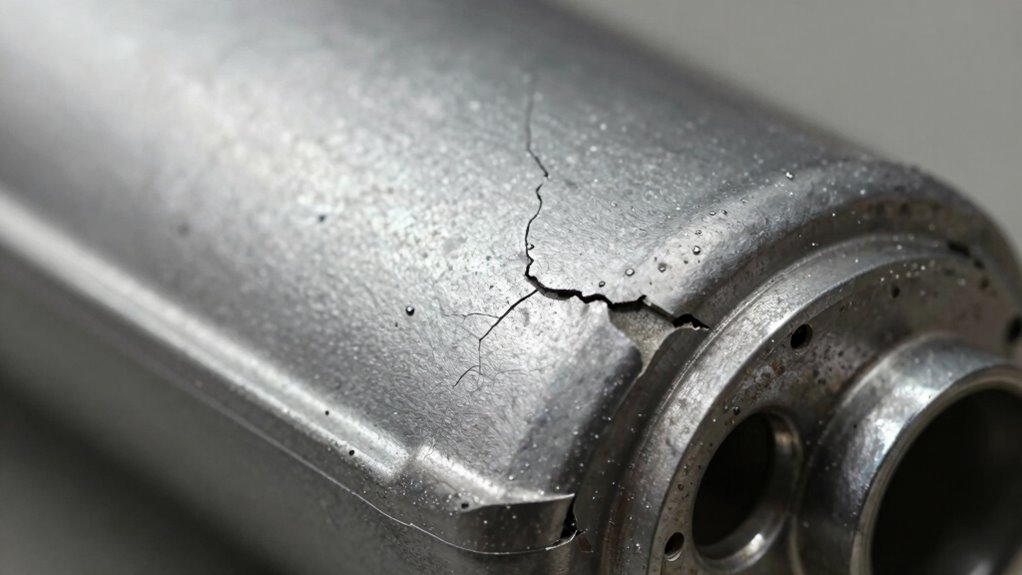

A manufacturing defect happens when a product is incorrectly made or assembled, leading to flaws that can impact its safety, performance, or appearance. These defects occur during production despite following the design specifications. They can cause the product to break, fail, or even cause injuries. Manufacturers are responsible for ensuring products are safe before reaching you. If you want to understand the common causes and how to spot these flaws, keep exploring further.
Open a free Amazon Business account
Business pricing, bulk buying and tax-exempt orders.
As an affiliate, we earn on qualifying purchases.
Key Takeaways
- A manufacturing defect occurs when a product is improperly made or assembled during production.
- Such defects can compromise safety, functionality, or appearance despite following design specifications.
- Common causes include human error, machinery malfunction, or defective raw materials.
- Manufacturing defects often lead to flaws like missing parts, sharp edges, or operational failures.
- Consumers should report abnormalities promptly to prevent injury and ensure product safety.

Manufacturing defects occur when a product is incorrectly made or assembled, leading to flaws that can compromise its safety, functionality, or appearance. These defects typically happen during the production process, despite the product meeting design specifications. When a defect exists, it means that not every unit of the product is safe or reliable, which can pose risks to consumers. If you’ve ever experienced a product breaking unexpectedly or causing injury, you might be dealing with a manufacturing defect.
Understanding product liability is essential in these cases. Manufacturers are responsible for ensuring their products are safe before they reach consumers. When a defective product causes harm, the manufacturer can be held liable for damages. This is why companies implement strict quality control measures—these are procedures designed to catch and correct errors during manufacturing. Quality control helps prevent defective items from reaching the market, but no process is foolproof. When flaws slip through, it’s often due to lapses in quality control processes, which can lead to serious safety issues, product recalls, and legal liabilities. Regular quality audits are vital in identifying potential issues early and maintaining safety standards. These audits help detect manufacturing flaws before products reach consumers, reducing the likelihood of harm. Additionally, advances in inspection technology can aid in early detection of defects, further safeguarding consumers.
The key to avoiding manufacturing defects is rigorous quality control. This involves inspecting raw materials, monitoring assembly lines, and conducting final product testing. Despite these efforts, manufacturing defects can still occur because of human error, machinery malfunction, or supplier issues. As a consumer, recognizing a manufacturing defect often means noticing abnormalities such as missing parts, sharp edges, or operational failures that aren’t typical for the product. If you encounter such flaws, you should report them promptly and avoid using the product further to prevent injury. strict quality control measures are crucial for reducing these risks during production, but understanding the process can help consumers recognize potential issues more effectively. Awareness of manufacturing procedures and standards can empower consumers to identify possible defects early.
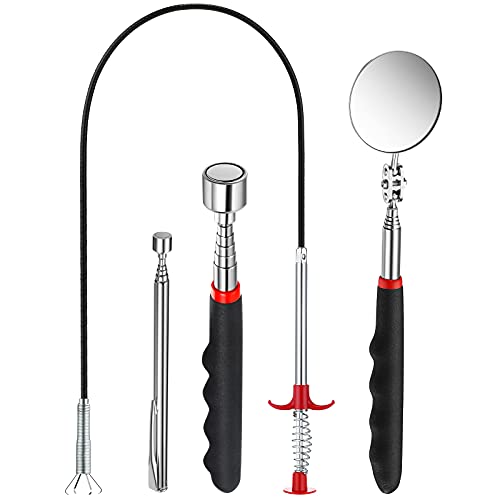
Patelai 4 Pieces Telescoping Magnet Pick up Tool Set Extendable Claw Grabber Tool Bendable Spring Telescoping Inspection Mirror 2 Lb/ 20 lb Magnetic Stick Gadget for Home Sink Drains Father's Day gift
- Complete Pickup Tool Set: Includes flexible grabber, magnetic tools, and mirror
- Extendable Telescoping Design: Stainless steel tubes extend up to 36 inches
- Bendable Claw with 4 Tips: Flexible claws for hard-to-reach areas
As an affiliate, we earn on qualifying purchases.
As an affiliate, we earn on qualifying purchases.
Frequently Asked Questions
How Can I Identify a Manufacturing Defect Early?
You can identify a manufacturing defect early by paying close attention during the quality control and inspection process. Regularly check products for irregularities, such as unusual shapes, surface blemishes, or missing components. Implement thorough inspections at different production stages, and train staff to spot defects promptly. Catching issues early allows you to address them before products reach customers, reducing returns and maintaining your reputation for quality.
Are Manufacturing Defects Covered Under Product Warranties?
They say “an ounce of prevention is worth a pound of cure,” and that’s true for warranties. Manufacturing defects are often covered under product warranties, providing you with defect liability protection. Warranty coverage usually includes repairs or replacements for defective items caused during production. However, it’s essential to check your warranty terms, as some defects may not be covered, especially if caused by misuse or damage after purchase.
What Industries Are Most Prone to Manufacturing Defects?
You’ll find industries like electronics, automotive, and pharmaceuticals most prone to manufacturing defects. These sectors often face complex production processes where quality assurance is critical. Production errors, such as faulty components or assembly mistakes, can slip through quality checks, leading to defective products reaching consumers. Continuous monitoring and strict quality assurance protocols help minimize these defects, but the intricate nature of manufacturing in these industries makes them more susceptible.
Can Manufacturing Defects Be Repaired or Fixed?
Manufacturing defects can often be repaired or fixed, but it depends on the severity. You should prioritize product safety and quality assurance, as fixing minor issues like misaligned parts or surface flaws is usually feasible. However, major defects might require replacing the product altogether. Always consult with manufacturers or experts to guarantee repairs meet safety standards and don’t compromise the product’s integrity or your safety.
Who Is Responsible for Manufacturing Defects in a Product?
You are typically responsible for manufacturing defects under product liability laws. When a defect liability exists, the manufacturer or seller can be held accountable if the product causes harm or damage. As a consumer, you can pursue a claim to seek compensation or repairs. Manufacturers are expected to guarantee their products are free from manufacturing defects before reaching you, maintaining their liability and responsibility for safe, defect-free products.
Conclusion
Understanding manufacturing defects helps you recognize when a product isn’t up to standard, saving you time and potential harm. Did you know that approximately 80% of product recalls are due to manufacturing flaws? By staying alert and inspecting items carefully, you can protect yourself and hold manufacturers accountable. Remember, being informed empowers you to make safer choices and guarantees quality products in your hands. Stay vigilant, and don’t hesitate to report any issues you encounter.
Back to school Picks
back to school
As an affiliate, we earn on qualifying purchases.