
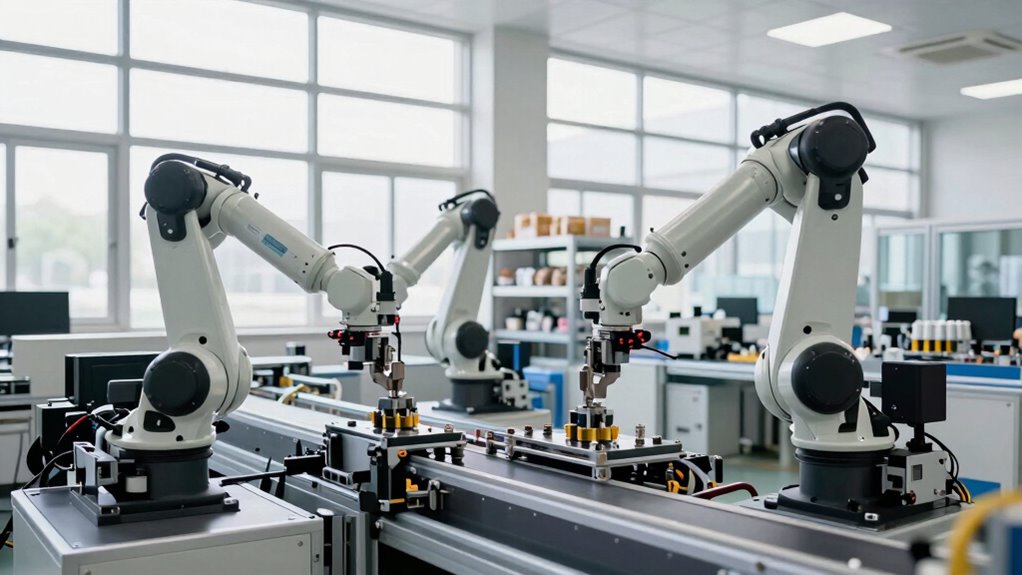

Just-in-Time manufacturing is a strategy that helps you streamline production by delivering materials and components exactly when you need them. It reduces your inventory costs and minimizes waste by avoiding overstocking. This approach keeps your operations flexible, responsive, and efficient. It relies heavily on strong supplier relationships and real-time data to respond quickly to changing demands. Want to see how this system can transform your business? Keep exploring to find out more.

Get school and study supplies delivered free — and shop member deals
- Fast, free delivery on millions of items
- Access to Prime Big Deal Days deals on October 6–7
- Prime Video, Amazon Music and more included
Key Takeaways
- Just-in-Time manufacturing minimizes inventory by producing goods only when needed, reducing storage costs and waste.
- It relies on synchronized supply chains and reliable suppliers for timely raw material delivery.
- The approach emphasizes continuous process improvement and operational efficiency.
- Technological tools like real-time data tracking enhance responsiveness and demand forecasting.
- It enables businesses to be lean, agile, and better aligned with customer demands.
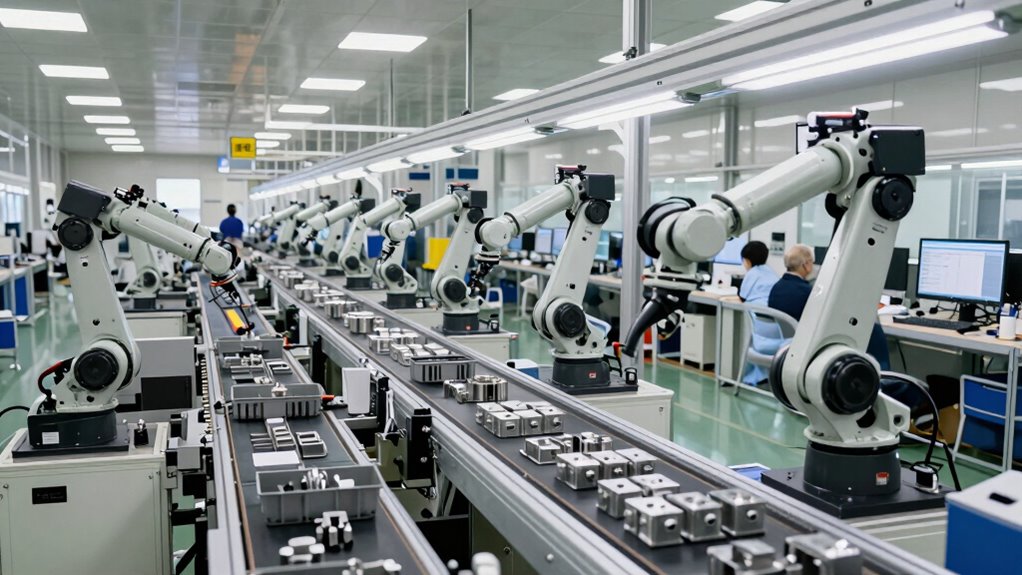
Have you ever wondered how manufacturers deliver products exactly when they’re needed without wasting resources? The answer lies in a production method called just-in-time manufacturing. This approach transforms how companies handle inventory management and optimize supply chain efficiency. This strategy minimizes excess inventory and cuts down storage costs, helping your business stay lean and agile.
Just-in-time manufacturing reduces waste by delivering only what’s needed, when it’s needed, keeping your business lean and efficient.
In just-in-time manufacturing, every step in your supply chain is carefully synchronized. You coordinate with suppliers to deliver raw materials precisely when they’re needed for production. This reduces the risk of overordering or understocking, which can lead to waste or delays. It’s essential that your suppliers are reliable and responsive because any disruption can halt your entire process. When executed well, just-in-time allows you to respond swiftly to changing customer demands, ensuring your products are fresh, relevant, and delivered on time.
This method also emphasizes continuous improvement in your operations. By closely monitoring your processes, you identify inefficiencies and eliminate waste. You’re constantly adjusting your schedules, workflows, and supplier relationships to optimize flow. This focus on efficiency means you can reduce costs and increase your responsiveness to market shifts. It’s a proactive approach that demands discipline and precise planning but ultimately results in a more competitive business. Incorporating supply chain management concepts helps you better understand how to coordinate these activities effectively.
However, implementing just-in-time manufacturing isn’t without challenges. You need a robust logistics system and strong supplier relationships. Any delays in delivery or unexpected demand spikes can cause bottlenecks, disrupting your entire production line. That’s why many companies use technology—like real-time data tracking and forecasting tools—to anticipate needs and coordinate activities effectively. This integration of digital tools improves your supply chain efficiency and helps you maintain the delicate balance between demand and supply. Additionally, understanding supply chain dynamics can be crucial in anticipating and mitigating potential disruptions. Recognizing the importance of reliable suppliers is fundamental in maintaining a smooth just-in-time process, especially during unpredictable market conditions.
In essence, just-in-time manufacturing is about transforming your approach from stockpiling to strategic timing. It requires discipline, precision, and collaboration across your entire supply chain. But if you manage it well, you’ll enjoy benefits like reduced waste, lower inventory costs, and a more responsive operation. You’ll be better equipped to meet customer expectations quickly and efficiently, all while keeping your resources optimized. This approach ultimately helps your business stay competitive in a fast-paced, ever-changing marketplace. Understanding supply chain dynamics is crucial to successfully implementing this method.
real-time supply chain tracking software
As an affiliate, we earn on qualifying purchases.
As an affiliate, we earn on qualifying purchases.
Frequently Asked Questions
How Does JIT Impact Inventory Costs?
Just-in-Time (JIT) markedly reduces your inventory costs by minimizing inventory levels through precise scheduling and demand forecasting. This approach leads to inventory reduction, meaning you hold fewer stockpiles, which cuts storage and holding expenses. As a result, you achieve cost efficiency, freeing up capital and reducing waste. JIT helps you respond quickly to market changes, making your operations more agile and financially lean.
What Industries Benefit Most From JIT?
You’ll find manufacturing industries like automotive, electronics, and apparel benefit most from JIT. It dramatically boosts inventory turnover, making stock levels almost vanish. With precise demand forecasting, you can produce exactly what’s needed—no excess, no shortages. This approach streamlines operations, cuts costs, and keeps products flowing smoothly. If you want efficiency that feels like magic, JIT transforms supply chains in these fast-paced industries.
Can JIT Be Combined With Other Manufacturing Strategies?
Yes, you can combine JIT with other manufacturing strategies. For example, integrating JIT with lean principles enhances efficiency through waste reduction, creating a seamless flow of materials. Additionally, combining JIT with quality synergy guarantees products meet high standards while minimizing inventory costs. This strategic integration allows you to optimize production processes, reduce lead times, and improve overall responsiveness to customer demands, making your manufacturing system more agile and cost-effective.
What Are the Main Challenges of Implementing JIT?
You face challenges with JIT implementation, especially in managing inventory flexibility and workforce training. You need to carefully coordinate suppliers to avoid delays, which can disrupt your production. Additionally, your staff must be well-trained to adapt quickly to changing demands and processes. If either inventory flexibility or workforce training falters, your JIT system risks inefficiency, increased costs, or production halts, making meticulous planning essential.
How Does JIT Affect Supplier Relationships?
JIT impacts your supplier relationships by emphasizing strong supplier collaboration, so you rely on them for timely deliveries and quality management. You need open communication to coordinate inventory levels and reduce waste effectively. By working closely, you guarantee suppliers meet your standards, which helps maintain smooth production. This partnership fosters mutual trust, minimizes delays, and improves product quality, ultimately supporting your JIT system’s efficiency and cost savings.
Conclusion
In conclusion, just-in-time manufacturing helps you reduce waste and improve efficiency by delivering materials exactly when you need them. Imagine a car factory that minimizes inventory costs by receiving parts just before assembly, like Toyota’s famous system. This approach keeps your production lean and responsive to demand changes. By adopting JIT, you can streamline operations, cut costs, and stay competitive in today’s fast-paced market. It’s a smart way to optimize your manufacturing process.
Fall Picks
fall essentials
As an affiliate, we earn on qualifying purchases.