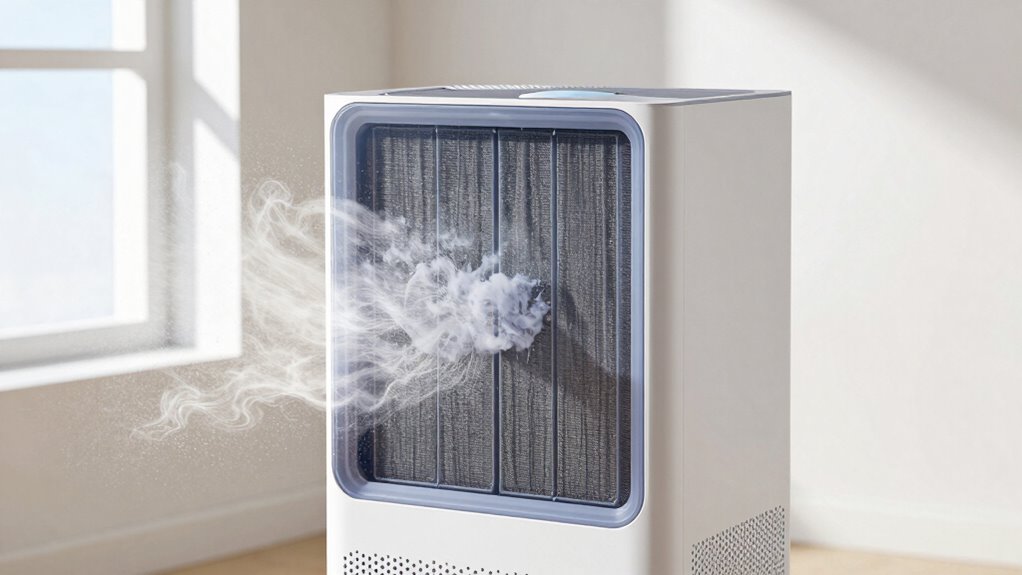
HEPA filtration is a technology that traps tiny airborne particles, making your indoor air cleaner and healthier. It can remove at least 99.97% of particles as small as 0.3 microns—so small they’re about 30 times thinner than a human hair. It works through physical processes like interception, impaction, and diffusion, capturing pollutants, allergens, bacteria, and viruses. If you keep exploring, you’ll discover how proper maintenance can keep your air quality at its best.

Get school and study supplies delivered free — and shop member deals
- Fast, free delivery on millions of items
- Access to Prime Big Deal Days deals on October 6–7
- Prime Video, Amazon Music and more included
Key Takeaways
- HEPA stands for High-Efficiency Particulate Air, designed to trap small airborne particles harmful to health.
- It removes at least 99.97% of particles 0.3 microns in size, including allergens and pathogens.
- HEPA filters use physical processes like interception, impaction, and diffusion to capture particles.
- Regular maintenance is essential to keep HEPA filters effective by preventing clogging and airflow reduction.
- HEPA filtration improves indoor air quality, reducing allergens, microbes, and irritants for healthier environments.
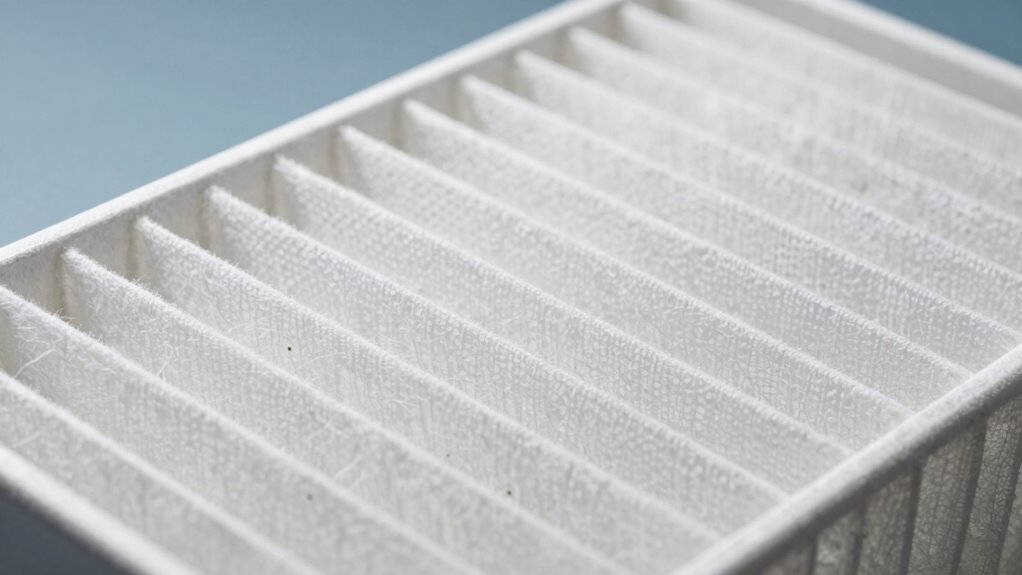
Have you ever wondered how air purifiers remove tiny particles that threaten your health? It all comes down to the technology behind HEPA filtration. HEPA, which stands for High-Efficiency Particulate Air, is a type of filter designed to trap very small particles that can harm your lungs or trigger allergies. When you turn on your air purifier equipped with HEPA filters, you’re actively improving your air quality by capturing airborne pollutants, dust, pet dander, pollen, mold spores, and even some bacteria and viruses. This means you breathe cleaner air, which can considerably improve your overall health and comfort.
HEPA filters trap tiny airborne particles, improving air quality and supporting your health and comfort.
Air quality plays an essential role in your daily life, especially if you suffer from allergies or respiratory issues. HEPA filters are engineered to remove at least 99.97% of particles that are 0.3 microns in diameter. That’s incredibly small—about 30 times smaller than the width of a human hair—making HEPA filtration one of the most effective methods for airborne particle removal. As a result, you notice a marked reduction in allergy symptoms like sneezing, congestion, and itchy eyes. With cleaner air circulating, you’ll feel more energized and less burdened by irritants that can worsen allergy relief.
One of the reasons HEPA filters are so trusted is their ability to trap particles through a combination of physical mechanisms: interception, impaction, and diffusion. These processes ensure that even the tiniest particles are captured and held within the filter’s dense fibers. HEPA filters are also widely used in medical environments to maintain sterile conditions, highlighting its effectiveness in removing harmful pathogens. Additionally, proper maintenance of HEPA filters is essential to sustain their filtration efficiency, ensuring they continue to remove airborne contaminants effectively over time. Regularly inspecting and replacing filters can help maintain the filter’s performance, especially when dealing with high levels of indoor pollutants. Maintaining a clean environment with effective air purification can also help reduce the presence of allergens and airborne microbes in your home or workplace.
You might wonder if HEPA filters require maintenance. The answer is yes—they need regular replacement or cleaning to maintain their effectiveness. Over time, the accumulated particles can clog the filter, reducing airflow and filtration efficiency. By changing your HEPA filter as recommended, you guarantee that your air purifier continues to provide ideal allergy relief and maintains high air quality standards. Overall, investing in a HEPA filtration system means you’re actively taking control of your environment, reducing airborne irritants, and breathing easier every day.
As an affiliate, we earn on qualifying purchases.
Frequently Asked Questions
Can HEPA Filters Remove Viruses Effectively?
Yes, HEPA filters effectively remove viruses through virus filtration, capturing airborne pathogens with high efficiency. They trap tiny particles, including bacteria and viruses, by forcing air through tightly woven fibers. When you use HEPA filters, you reduce the risk of airborne transmission of viruses, making your environment safer. Proper maintenance and regular filter changes guarantee they continue to provide maximum protection against airborne pathogens.
How Often Should HEPA Filters Be Replaced?
You should replace HEPA filters roughly every 6 to 12 months, depending on filter lifespan and usage. Regular replacement guarantees maximum air quality and filter efficiency. If you notice reduced airflow or increased dust, it’s a sign to change the filter sooner. Keep an eye on manufacturer recommendations, as replacement frequency varies with air quality, filter type, and environment. Proper maintenance keeps your filtration system working effectively.
Are HEPA Filters Suitable for All Air Purifiers?
Think of HEPA filters as the universal adapters for air purifiers, but they’re not compatible with every model. You need to check your air purifier’s compatibility, as some units require specific HEPA filter types or brands. While most HEPA filters work with standard units, always verify manufacturer guidelines to guarantee proper fit and performance. This way, you get the best purification without risking damage or reduced efficiency.
Do HEPA Filters Eliminate Odors?
HEPA filters don’t eliminate odors directly, but they improve air quality by capturing airborne particles that can carry or contribute to odors. While their filter efficiency excels at trapping dust, pollen, and pet dander, they don’t target smells like smoke or cooking odors. For better odor control, consider combining HEPA filters with activated carbon filters, which are specifically designed to absorb and neutralize odors, enhancing your air quality.
Can HEPA Filtration Improve Allergy Symptoms?
Yes, HEPA filtration can improve your allergy symptoms by enhancing your air quality. These filters trap airborne allergens like pollen, dust mites, pet dander, and mold spores, reducing their presence in your environment. When you use a HEPA filter regularly, you’ll notice less sneezing, coughing, and congestion. This creates a cleaner, healthier space, providing you with effective allergy relief and making it easier to breathe comfortably at home or work.
Conclusion
Think of HEPA filtration as your personal shield, much like Harry Potter’s invisibility cloak, protecting you from invisible dangers. By trapping tiny particles, allergens, and germs, it keeps your environment safer and cleaner. So, whether you’re breathing easy or battling allergies, remember that HEPA filters are your magic wand in the fight for pure, healthy air. Embrace this powerful technology and breathe confidently, knowing you’ve got the best defense at your side.
Halloween Picks
halloween
As an affiliate, we earn on qualifying purchases.