A brushless motor is a highly efficient electric motor that replaces traditional brushes and commutators with electronic controls. This design reduces wear and tear, making it more durable and requiring less maintenance. It also generates less heat and offers better performance, especially in lightweight and high-power applications like drones, electric vehicles, and power tools. If you want to understand how these motors deliver such advantages, there’s more to explore.
Open a free Amazon Business account
Business pricing, bulk buying and tax-exempt orders.
As an affiliate, we earn on qualifying purchases.
Key Takeaways
- A brushless motor is an electric motor that eliminates brushes and commutators for improved efficiency.
- It uses electronic controllers to manage the rotation of the rotor around the stator.
- Brushless motors offer higher durability, longer lifespan, and less maintenance compared to traditional brushed motors.
- They provide precise speed and torque control, making them ideal for modern applications like electric vehicles and drones.
- These motors generate less heat and have a higher power-to-weight ratio, enhancing performance and energy efficiency.

Have you ever wondered how modern gadgets like drones, electric vehicles, and power tools achieve their efficiency and performance? The secret often lies in the type of motor they use, and one of the most advanced options is the brushless motor. Unlike traditional brushed motors, brushless motors eliminate brushes and commutators, which are usually responsible for wear and tear. This design leads to higher efficiency, longer lifespan, and less maintenance. When it comes to electric vehicles, brushless motors play a vital role in providing smooth, reliable power while reducing energy loss. Similarly, in drone technology, these motors enable lightweight, powerful, and precise control, making drones more agile and longer-lasting.
You’ll find that brushless motors are especially popular because they deliver better performance with less heat generation. This means you can push your electric vehicle harder without worrying about overheating issues. The absence of brushes also means there’s less mechanical friction, which translates into more efficient energy transfer from the power source to the moving parts. As a result, brushless motors tend to have a higher power-to-weight ratio, making them ideal for applications where weight and efficiency are critical. For drone technology, this means longer flight times and more responsive maneuvering, which are essential for both recreational and professional use. Additionally, the improved efficiency of brushless motors contributes to longer battery life and reduced energy consumption.
In addition, brushless motors are more durable. Without brushes that wear down over time, these motors require less frequent repairs and replacements. This durability makes them especially attractive for continuous-use devices like power tools, electric vehicles, and drones. You’ll notice that many high-end electric vehicles rely on brushless motors because they can handle high speeds and heavy loads without sacrificing reliability. The precision control offered by brushless motors also allows for better speed regulation and torque management, giving manufacturers the ability to optimize performance for specific tasks. Moreover, the reduced mechanical wear in brushless motors contributes to their long-term cost savings and dependability. Additionally, advancements in motor controller technology further enhance their efficiency and responsiveness. Improvements in electronic control systems are also allowing for greater customization and adaptability in various applications.
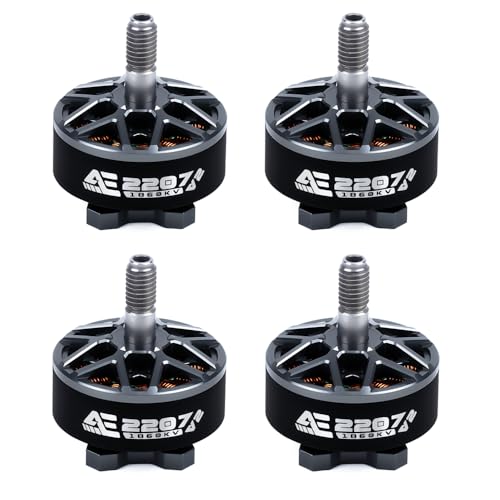
Axisflying 4pcs AE2207 V2 2207 1860KV 6S FPV Brushless Motor with 5mm Shaft for FPV Racing Drone Quadcopter
- IP53 Dustproof and Waterproof: Protects against dust and water
- BST Bearing Protection: Extends bearing lifespan and smoothness
- High-Strength 5mm Steel Shaft: Suitable for 5-inch FPV propellers
As an affiliate, we earn on qualifying purchases.
As an affiliate, we earn on qualifying purchases.
Frequently Asked Questions
How Does a Brushless Motor Differ From a Brushed Motor?
A brushless motor differs from a brushed motor mainly in its commutation methods and magnetic design. You’ll find that brushless motors use electronic commutation, which replaces brushes and a commutator, providing smoother operation and less wear. Their magnetic design also involves permanent magnets and stators with windings, making them more efficient, quieter, and requiring less maintenance compared to brushed motors, which rely on physical brushes for commutation.
What Are Common Applications of Brushless Motors?
You’ll find brushless motors in various applications like drones, electric vehicles, and HVAC systems. They often use efficient cooling methods to prevent overheating, ensuring longevity and consistent performance. Additionally, their low noise levels make them ideal for environments requiring quiet operation, such as medical devices or home appliances. Their durability and energy efficiency make brushless motors a popular choice across industries, providing reliable power with minimal maintenance.
Are Brushless Motors More Energy-Efficient?
Isn’t it clear that brushless motors are more energy-efficient? They considerably cut down on power consumption and boost energy savings thanks to their design, which eliminates brushes that create friction. This smoother operation means less heat and wear, allowing them to operate longer and more efficiently. As a result, you’ll notice better performance and lower electricity bills, making brushless motors a smarter choice for energy-conscious applications.
What Maintenance Is Required for a Brushless Motor?
You don’t need much maintenance for a brushless motor, but you should follow proper lubrication schedules to keep parts moving smoothly. Regularly check for any signs of wear or overheating. Vibration analysis helps you detect issues early, preventing failures. Keep the cooling system clean, and make sure electrical connections stay tight. With minimal upkeep, your brushless motor remains efficient and reliable for a long time.
How Long Do Brushless Motors Typically Last?
Brushless motors typically last around 10,000 to 20,000 hours with proper care. You’ll notice that their longevity depends on lubrication needs and noise levels—well-lubricated motors run quieter and smoother, extending their lifespan. Regular maintenance prevents overheating and wear, ensuring consistent performance. By keeping an eye on noise levels and applying lubrication when needed, you can maximize your motor’s durability and get the most out of your investment.
Conclusion
In conclusion, a brushless motor brings brilliance to your projects with its better efficiency, less maintenance, and longer lifespan. By eliminating brushes, it offers a smoother, more silent spin that serves your needs swiftly and seamlessly. So, when you’re seeking a smarter, sleeker solution for your motorized tasks, consider the clever, clean, and cutting-edge brushless motor — a true marvel in motion!
Fall Picks
fall essentials
As an affiliate, we earn on qualifying purchases.


![Computational Balloon Twisting: The Theory Of Balloon Polyhedra [Pdf]](https://who-makes.com/wp-content/uploads/2026/07/computational-balloon-twisting-the-theory-of-balloon-polyhedra-pdf-featured-560x300.jpg)