

TL;DR

Prime made for students and young adults
- Fast, free delivery for dorm and study essentials
- Prime Video and Amazon Music included
- Member-only deals
Astral Codex Ten published a November 2026 collection of links and commentary covering AI forecasts, California flood risks, debates about work and status, and assorted cultural stories. The author says the links have not all been independently verified and that readers often identify errors or misleading claims; several forecasts and figures in the post are attributed or speculative rather than settled facts.
Astral Codex Ten has published its November 2026 links roundup, a curated collection of outside articles, social-media posts, forecasts and the author’s commentary. The post includes claims about possible AI risks and California flooding, but its author warns that the individual links have not all been independently verified, so readers should distinguish the linked sources’ claims from established findings.
The roundup ranges from light cultural observations to topics with potentially serious consequences. One entry relays a forecast from Sentinel, described by the post as an ACX grantee that forecasts global disasters: a 25% chance of a rogue AI exfiltrating its weights over the next 12 months. That is a forecast, not confirmation that such an event has occurred or will occur.
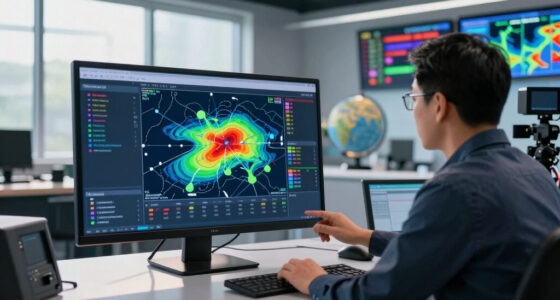
A separate entry discusses a warning that California could have a wetter-than-normal winter. The post reports a 2.5% chance of a “major flood” mentioned by a Sentinel-affiliated forecaster, then offers additional estimates supplied by an AI forecasting system. Those estimates include a 5% chance of an ARkStorm this year, compared with a stated 1% baseline. The post’s author acknowledges that the estimates depend on how a flood is defined and says the AI system supplied specific damage thresholds; these figures should not be read as official government forecasts.
Other selections address whether people would find meaning in a world with less paid work, the limits of UFO arguments, a reported meeting between two Satmar leaders, and social life in Berkeley’s rationalist and effective-altruist communities. One item says NVIDIA agreed to buy Hugging Face for $12.9303 billion, interpreting the unusual figure as an emoji-related joke. The roundup also includes anagrams involving public figures and a claim about Soviet-era acronym names. These entries are presented as links and commentary, not as independently reported investigations.
Forecasts Sit Beside Cultural Commentary
The roundup brings speculative risks into the same stream as cultural curiosities, which can make attribution and confidence especially important. Its AI and flood entries concern outcomes with potentially broad consequences, but the post supplies forecasts and interpretations, not proof that either scenario is imminent. The distinction matters for readers deciding whether to treat a number as a warning, a model output or a confirmed fact.
The collection also surfaces a continuing public question about how technology could reshape daily life. In discussing a possible future with less productive work, it links to an essay arguing that people without conventional employment may spend time on social competition and status. That is an interpretive historical argument, not a settled prediction about life after AI. Taken together, the links offer readers material for discussion while leaving them responsible for checking the underlying sources.
Popular right now

Bose QuietComfort Headphones (2nd Gen), Wireless Over-Ear Noise-Cancelling Headphones, Black

KitchenAid Artisan 5-Quart Tilt-Head Stand Mixer, Almond Cream

Dyson Cyclone V10 Origin Cordless Vacuum
As an affiliate, we earn on qualifying purchases.
How the Monthly Link Posts Work
Astral Codex Ten’s links posts gather material from external articles, social-media accounts and readers, with brief notes from the site’s author. This format is a curated roundup, rather than a single reported story with one central event. The November edition moves quickly among subjects, and the author’s commentary sometimes adds estimates or personal reactions beyond what the linked item itself says.
The post’s own caveat is central to reading it: the author says they have not independently checked every link and that commenters typically identify evidence that two or three links per post are wrong or misleading. The author says corrections are made as they are found, while cautioning that not all errors may have been caught by publication time. The post therefore serves as a starting point for readers to explore sources, not a guarantee that every detail has been verified.
“I haven’t independently verified each link.”
— Astral Codex Ten author, in the roundup’s opening note
Verification and Forecast Definitions
The roundup does not provide independent verification for each linked item, and the author explicitly says errors may remain. The source material supplied here also ends partway through the final entry, so the full list and any later corrections are not available in this account.
Several numerical claims need further detail before they can be assessed. The post does not fully specify the methodology behind Sentinel’s AI forecast or the flood probability, while its additional flood estimates came from an AI forecasting system prompted by the author. It is not clear from the supplied material how those estimates were validated, what assumptions they used, or whether official agencies endorse them. The reported NVIDIA-Hugging Face deal and the explanation for its exact price are likewise presented in the roundup; independent confirmation and transaction details are not included here.
Check Sources and Corrections
Readers seeking to rely on any particular claim should follow the original link and check for updates, especially for fast-moving forecasts and reported business developments. The author says they correct items as they notice problems and may highlight important corrections later. No specific follow-up date or verification schedule is provided.
For the California weather discussion, readers can compare the post’s claims with current forecasts and preparedness guidance from relevant public agencies rather than treating the roundup’s probabilities as official warnings. For the AI and social commentary entries, the next useful step is to consult the cited forecasters or authors and examine their methods and evidence. Whether any forecast changes or correction appears remains unknown.
Key Questions
What is Astral Codex Ten’s November 2026 post?
It is a monthly links roundup collecting outside articles and posts with brief commentary from the author. It covers subjects including AI forecasts, California weather risk, work and status, and community and cultural stories.
Does the roundup confirm that a rogue AI will exfiltrate its weights?
No. It relays a 25% forecast for the next 12 months from Sentinel, as described by the post. That probability is a forecast, not confirmation that the event will happen.
Are the California flood figures official warnings?
The supplied post does not identify them as official government forecasts. It attributes a 2.5% “major flood” estimate to a Sentinel-affiliated forecaster and gives further estimates from an AI forecasting system, with some damage thresholds supplied by the author.
Has every link in the post been checked?
No. The author says they have not independently verified every link and that commenters often flag two or three links per roundup as wrong or misleading. The author says corrections are made when identified, but cannot guarantee all issues have been caught.
Source: astralcodexten.com