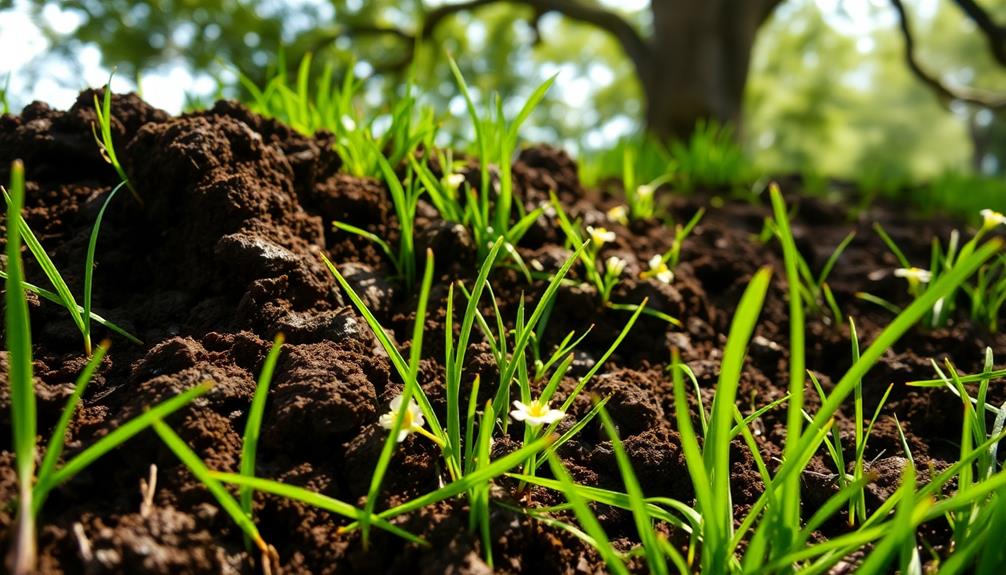


When rain hits the ground, it releases a fresh, earthy scent called petrichor that feels crisp and invigorating. You’ll notice a slightly sweet, natural aroma that signals renewal and the return of life after dryness. Its scent depends on the environment: in nature, it’s pure and clean, while in urban areas, hints of damp concrete and pollutants mix in. To discover more about this revitalizing scent, keep exploring what makes petrichor so uniquely mesmerizing.
Key Takeaways
- Petrichor has an earthy, slightly sweet aroma that evokes freshness and renewal.
- The scent is primarily caused by geosmin, a compound produced by soil bacteria.
- Rain aerosolizes organic molecules from the soil, releasing the distinctive smell into the air.
- In natural environments, petrichor is pure, clean, and invigorating, signaling life’s return after dryness.
- Urban rain scents include additional pollutants and man-made odors, making the smell layered and sometimes gritty.
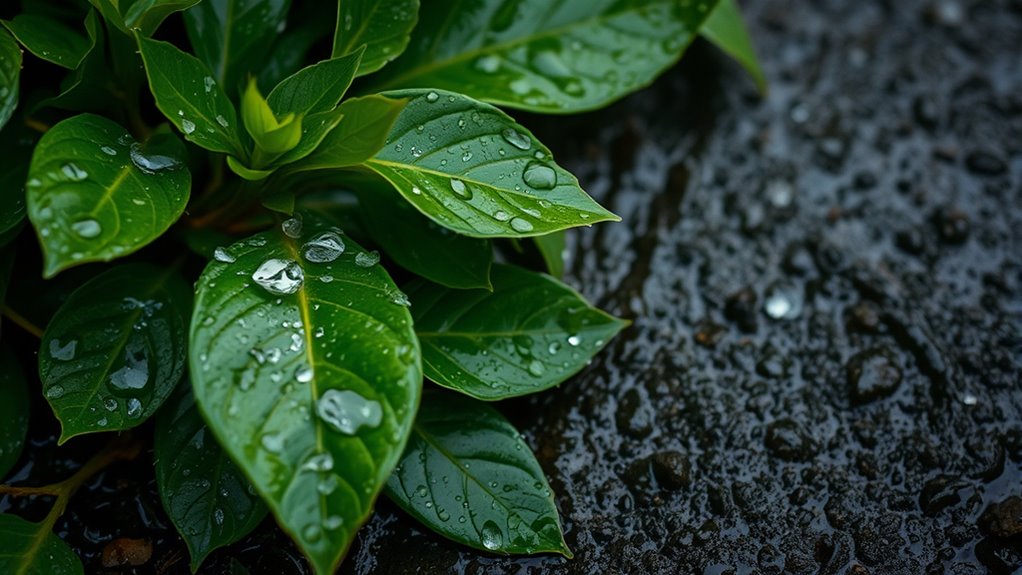
Have you ever noticed the crisp, earthy scent that comes just before or during a rainstorm? That unmistakable aroma, often called petrichor, captivates many because it’s so unique and evocative. When rain begins to fall, it releases a complex blend of scents that tell a story of the earth’s natural aroma, mingling with the surrounding environment. In urban settings, this smell takes on a different character, often infused with the scent of concrete, asphalt, and lingering pollutants—creating what some might call an urban scent. But in nature, petrichor is pure and unadulterated, a clean, invigorating fragrance that feels like a breath of life.
The natural aroma of rain is primarily driven by a compound called geosmin, produced by soil-dwelling bacteria. When raindrops hit the ground, they trap and aerosolize these organic molecules, releasing them into the air. This process is what gives petrichor its earthy, slightly sweet scent that many find calming and nostalgic. The smell of rain on dry soil is especially striking because it signals renewal and life’s return after a period of dryness. You might notice how this aroma intensifies when the ground is dry, as the soil’s scent compounds are more concentrated and more easily carried by the rain. It’s as if the earth is awakening, exhaling its natural aroma after a period of dormancy. Additionally, the presence of organic compounds in the soil can influence the aroma profile of rain, making each experience unique depending on the local environment.
In urban environments, the scent you perceive during rain is often layered with other elements. Instead of just soil and plants, you’re also picking up the smell of wet concrete, damp asphalt, and sometimes the faint scent of pollution that’s been trapped in the air. This creates a distinctive urban scent, a mix of natural and man-made odors that can be both invigorating and slightly gritty. The contrast between the earthy scent in rural areas and the more complex, sometimes harsher, aroma in cities highlights how environment shapes our perception of rain’s smell. Yet, whether in a city or countryside, the core of petrichor remains the same: a natural aroma that whispers of renewal, growth, and the earth’s timeless cycle.
Frequently Asked Questions
Can Everyone Perceive Rain’s Smell Equally?
Not everyone perceives rain’s smell equally because sensory perception varies from person to person. Factors like age, genetics, and even environmental exposure influence how you experience petrichor. Cultural differences also play a role; some cultures associate rain with certain scents or memories, affecting perception. So, while many enjoy the fresh aroma of rain, your unique sensory makeup and cultural background shape how intensely you notice or interpret it.
Does Rain Smell Different in Various Climates?
Rain smells vastly different across various climates, shaping your sensory experience like a symphony. In dry deserts, it may carry a sharp, earthy scent, while in lush rainforests, it’s infused with the rich aroma of diverse regional flora. Soil composition also plays a role, releasing unique petrichor notes. You’ll find that each climate’s combination of flora and soil creates a distinctive, unforgettable scent, transforming rainy days into a world of aromatic wonder.
Is Petrichor Linked to Specific Plant Types?
Petrichor isn’t directly linked to specific plant types but results from microbial contributions and plant-based scents. When rain hits dry soil, microbes release oils and organic compounds, creating that crisp, earthy smell. Some plants may add subtle scents to the mix, but the signature petrichor mainly comes from microbial activity and plant-derived organic compounds that are released into the air. So, it’s a blend of microbial and plant-based scents that makes rain smell so invigorating.
Can Rain Smell Indicate Upcoming Weather Changes?
A good old saying, “Red sky at night, sailor’s delight,” rings true—your sense of smell can hint at upcoming weather changes. When rain’s scent grows stronger, it often signals approaching storms or shifts in weather prediction. Your sensory perception picks up on the earthy, fresh aroma of petrichor, alerting you to changes ahead. Trust this natural cue, and you’ll stay one step ahead of the weather.
Are There Health Benefits Associated With the Smell of Rain?
You might find that the petrichor scent of rain can boost your mood and even trigger positive memories. The fresh rain scent often reduces stress and enhances mental clarity, making you feel more relaxed and energized. This natural aroma can also improve your overall well-being by connecting you to calming, nostalgic experiences. So, embracing the rain scent isn’t just pleasant—it’s a simple way to support your mental health.
Conclusion
So, next time you catch that incredible rain scent, remember it’s more than just a smell—it’s nature’s symphony playing just for you. That earthy, fresh aroma is like a secret whisper from the universe, turning your senses into a celebration. Rain’s petrichor isn’t just a scent; it’s a powerful reminder that life’s simplest moments can be the most extraordinary. Embrace it, breathe it in, and let it remind you that beauty is everywhere.