
The new car smell you notice is a fresh, sweet aroma mainly caused by volatile organic compounds (VOCs) released from interior materials like plastics, adhesives, and fabrics. This scent is a complex mix that forms during manufacturing and gradually fades over time. It often feels inviting, enhancing your mood and making your vehicle seem luxurious and clean. If you want to discover what influences this scent and how to keep it longer, there’s more to explore beyond this first impression.

Get school and study supplies delivered free — and shop member deals
- Fast, free delivery on millions of items
- Access to Prime Big Deal Days deals on October 6–7
- Prime Video, Amazon Music and more included
Key Takeaways
- It has a distinctive, fresh, sweet aroma caused by volatile organic compounds (VOCs) emitted from interior materials.
- The scent is a complex mixture of plastics, adhesives, fabrics, and treated surfaces.
- The smell is most intense when the car is new and diminishes over time as VOCs dissipate.
- Proper ventilation and maintenance can help preserve the fresh scent longer.
- Many describe it as clean, inviting, and reminiscent of newness and luxury.
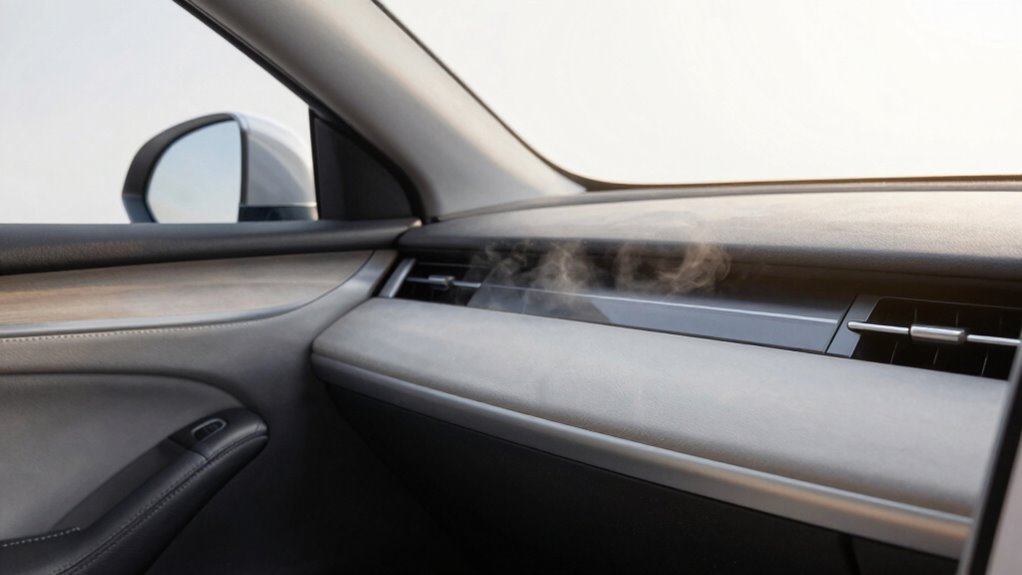
Have you ever wondered what exactly gives a brand-new car its distinctive scent? When you step into a freshly made vehicle, you’re immediately greeted by that signature smell—a blend of new materials and manufacturing processes. That scent primarily comes from the vehicle interior, which is crafted with a variety of plastics, adhesives, fabrics, and treated surfaces. These components release chemical compounds called volatile organic compounds (VOCs), which are responsible for the fresh, somewhat sweet aroma that many find appealing. The scent isn’t just a coincidence; it’s a complex mixture that forms during manufacturing and continues to evolve as the vehicle ages.
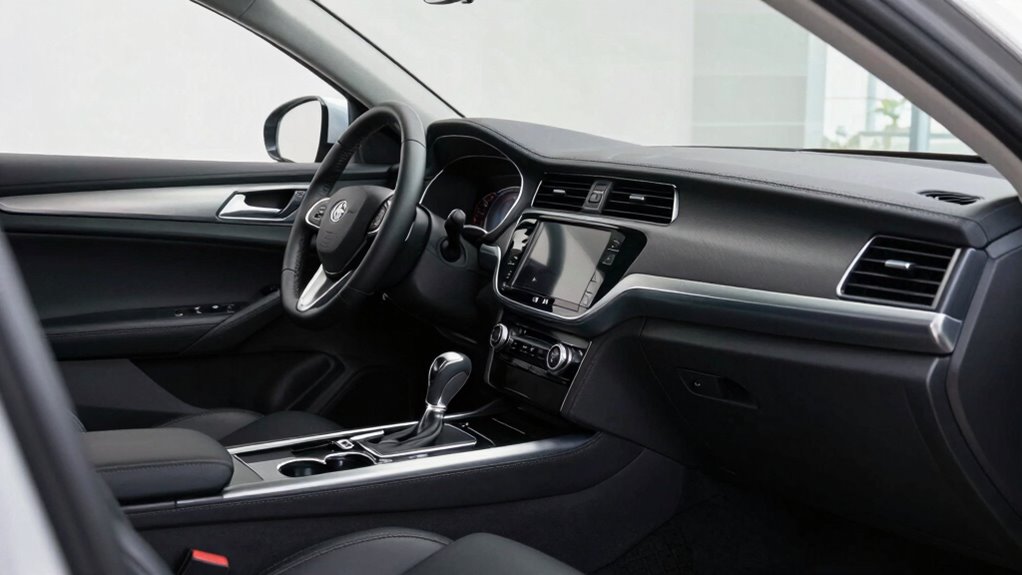
The vehicle interior plays a central role in creating that memorable aroma. New car manufacturers use specific materials to enhance the sensory experience, knowing how much consumers associate that smell with cleanliness, luxury, and freshness. From the dashboard to the seats, every surface contributes to the overall scent profile. Some materials emit stronger odors initially, which is why new cars often smell the most potent right after purchase. Over time, these VOCs gradually dissipate, reducing the scent’s intensity. This process is known as scent longevity, and it varies depending on factors like climate, ventilation, and how frequently you use the vehicle. Proper maintenance, such as controlling indoor humidity levels, can also influence how long the scent lasts.
If you want to hold onto that new car smell longer, proper care and maintenance can help. Regularly airing out the vehicle by opening windows allows fresh air to dilute the VOCs inside, slowing down the loss of that signature scent. Using air purifiers or activated charcoal bags can also absorb excess chemicals, helping to preserve the fresh aroma longer. Keep in mind that over time, the scent naturally diminishes as the chemicals evaporate, but these steps can slow the process. Additionally, understanding the material composition of your vehicle’s interior can give insights into how long the scent might last. Some materials are designed with VOC emissions in mind to reduce the impact of chemical odors over time. Moreover, manufacturers are increasingly developing low-emission materials to improve indoor air quality and scent longevity.
The scent longevity isn’t just about keeping that initial thrill; it also impacts your overall driving experience. A strong, pleasant smell can boost your mood and make your vehicle feel more inviting. Conversely, if the scent fades too quickly, you might miss that feeling of newness, which many drivers associate with excitement and pride of ownership. That’s why some people seek out air fresheners or scents designed to mimic the original new car aroma, trying to recreate that special feeling even after years of ownership.
In the end, the new car smell is a temporary but powerful part of the vehicle’s interior experience. It’s a mix of carefully selected materials and the chemical processes happening inside your car. Understanding scent longevity can help you appreciate how that smell evolves over time and how you might prolong that feeling of freshness for as long as possible.
car air purifier for new car smell
As an affiliate, we earn on qualifying purchases.
As an affiliate, we earn on qualifying purchases.
Frequently Asked Questions
How Long Does the New Car Smell Typically Last?
The new car smell usually lasts around a few days to a few weeks, depending on the interior materials and ventilation. You might notice the strongest odor right after purchase, gradually fading as the volatile organic compounds (VOCs) off-gas. To speed up odor longevity reduction, keep the car well-ventilated, use air purifiers, and avoid exposing it to direct sunlight. Over time, the scent will dissipate completely.
Can New Car Smell Cause Health Issues?
The new car smell can cause health issues if you’re sensitive to the chemicals in the car interior, like volatile organic compounds (VOCs). You might experience headaches, dizziness, or respiratory irritation due to the odor perception. To reduce risks, air out your vehicle regularly, especially during the first few weeks. Using air purifiers or opening windows can help improve air quality and minimize potential health concerns.
What Chemicals Contribute to the New Car Smell?
You might be surprised to learn that the new car smell comes from chemical compounds like volatile organic compounds (VOCs) found in plastics, adhesives, and fabrics. These odor sources release fumes that create the fresh scent, but they also pose potential health risks. While the smell seems inviting, it’s important to be aware that some chemicals, such as formaldehyde or benzene, can contribute to this distinctive aroma and impact your well-being.
Does the Smell Vary Between Different Car Brands?
Yes, the smell varies between different car brands. You’ll notice a brand-specific scent that sets luxury cars apart with a more refined, leather-rich aroma. Budget brands often have a more chemical or plastic-like scent, while luxury car aromas tend to be more subtle and sophisticated. Your perception of the new car smell is influenced by these unique brand-specific scents, making each driving experience slightly different depending on the brand.
How Can I Eliminate or Reduce the New Car Smell?
To gently fade the new car aroma, you can use air purifiers with activated carbon filters to absorb odors. Keep windows open whenever possible to promote fresh air circulation. Natural remedies like placing bowls of baking soda or coffee grounds inside help absorb lingering scents. Regularly airing out your car and maintaining cleanliness also contribute to reducing the new car smell, making your ride more comfortable and inviting.
Conclusion
So, next time you catch that unmistakable new car smell, remember it’s more than just a scent—it’s a moment of freshness, a fleeting reminder of new beginnings. Coincidentally, that smell often fades just as quickly as the excitement of your first drive. But maybe that’s okay. Because, just like life’s little surprises, some of the best things are meant to be enjoyed in the moment, even if they don’t last forever.
Halloween Picks
halloween
As an affiliate, we earn on qualifying purchases.