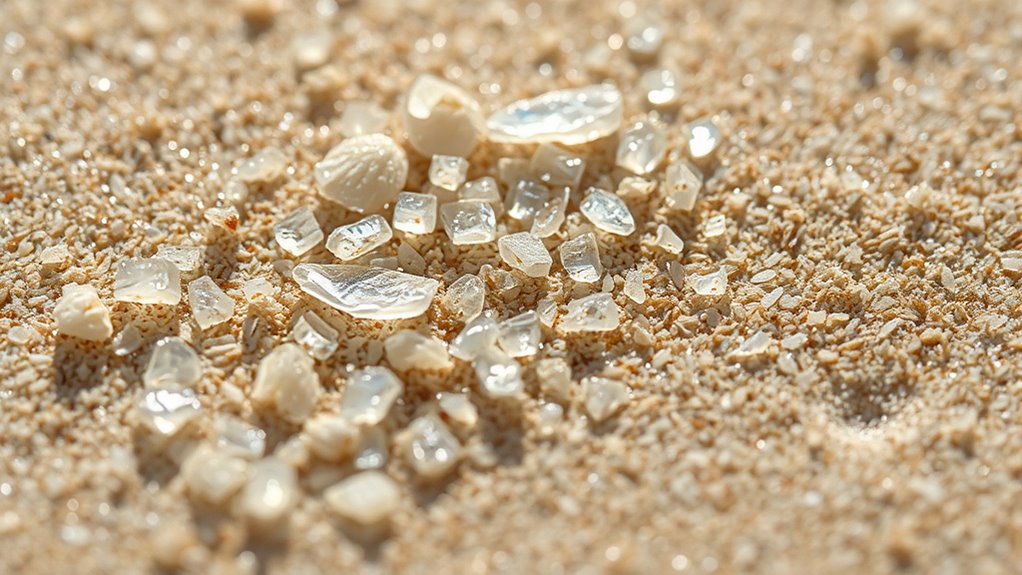

Microplastics are tiny plastic pieces less than five millimeters that come from the breakdown of larger plastics or everyday products like exfoliants and synthetic clothing. These particles are everywhere—in oceans, soils, and air—making it hard to avoid them. They can be ingested by wildlife and humans, spreading toxins and disrupting ecosystems. Their persistent nature and chemical load make cleaning difficult, but understanding more helps you see how they threaten the environment and health.
Key Takeaways
- Microplastics are tiny plastic fragments less than five millimeters, originating from the breakdown of larger plastics and synthetic products.
- They are widespread in oceans, soils, air, and freshwater, easily reaching remote ecosystems and spreading pollutants.
- Ingested by wildlife and humans, microplastics can carry toxic chemicals like pesticides and heavy metals, impacting health.
- They are highly persistent, resisting natural degradation and accumulating over time, acting as carriers for harmful pollutants.
- Scientific research is essential for tracking microplastics, understanding their effects, and developing effective mitigation strategies.
Have you ever wondered what tiny particles called microplastics are and why they matter? Microplastics are minuscule fragments of plastic, less than five millimeters in size, that originate from larger plastic debris breaking down over time or from products like exfoliants and synthetic clothing. These tiny particles are pervasive in our environment, infiltrating oceans, freshwater systems, soils, and even the air we breathe. Their presence is a direct result of plastic pollution, a growing global crisis that threatens ecosystems and human health alike. Microplastics are particularly concerning because they’re easily overlooked yet highly mobile, making them challenging to track and eliminate.
When plastic waste accumulates in the environment, it doesn’t simply disappear. Instead, it degrades into microplastics, which can be ingested by marine life, birds, and even terrestrial animals. As these creatures mistake microplastics for food, they absorb toxic chemicals attached to the plastic particles. This process not only harms individual animals but also disrupts entire food chains, eventually impacting human populations that rely on seafood and contaminated water sources. The environmental impact of microplastics is vast; they contribute to plastic pollution’s devastating effects by spreading toxic chemicals and disrupting habitats. Their tiny size allows them to penetrate even the most remote ecosystems, making plastic pollution a truly global issue.
Understanding the role of microplastics in environmental impact helps highlight why tackling plastic pollution is urgent. Every year, millions of tons of plastic waste enter our oceans and landfills, breaking down into microplastics that persist for decades. These particles are resistant to natural degradation, meaning they accumulate over time, increasing the likelihood of exposure for wildlife and humans alike. Microplastics can carry harmful chemicals like pesticides, heavy metals, and persistent organic pollutants, which can leach into water and soil, further contaminating ecosystems. Their presence complicates cleanup efforts, as removing microscopic particles from the environment is far more difficult than collecting larger debris. Additionally, research supports the importance of tracking and understanding microplastics through scientific studies, which help develop effective mitigation strategies.

Aquagear Water Filter Pitcher – Lead, Chlorine, PFOA/PFOS, Microplastics Filter, 10 Cup, 120 Gallon Filter Life – Filter Media Made in USA
Removes 20X more contaminants than a traditional pitcher. Third-party tested to filter lead, chlorine, microplastics, PFOA, PFOS, and…
As an affiliate, we earn on qualifying purchases.
As an affiliate, we earn on qualifying purchases.
Frequently Asked Questions
How Do Microplastics Affect Human Health?
You might unknowingly ingest microplastics through food and water, leading to toxin absorption in your body. These tiny particles can cause hormonal disruption, which affects your reproductive health and metabolism. Microplastics can also carry harmful chemicals that accumulate in your tissues, potentially causing inflammation or other health issues over time. Being aware of this risk encourages you to reduce plastic use and support policies aimed at minimizing microplastic pollution.
Can Microplastics Be Completely Removed From the Environment?
You can’t completely remove microplastics from the environment yet. Biodegradation challenges make it hard for natural processes to break down these tiny particles fully. Effective policy implementation is essential, but it takes time to develop and enforce regulations that reduce plastic waste at the source. While cleanup efforts help, preventing microplastics from entering ecosystems remains your best strategy, as complete removal isn’t currently feasible.
What Industries Are the Biggest Contributors to Microplastic Pollution?
You should know that the biggest contributors to microplastic pollution are the textile industry and automotive sector. Textile waste from clothing and fabrics releases tiny fibers into water and air, while automotive abrasives shed microplastics during manufacturing and vehicle use. These industries profoundly impact the environment, and reducing their microplastic output involves better waste management, alternative materials, and stricter regulations. Your awareness can help push for more sustainable practices.
Are There Effective Methods to Detect Microplastics in Water?
Imagine peering into a clear stream, trying to spot tiny, elusive particles. You can detect microplastics in water using advanced detection techniques like Fourier-transform infrared spectroscopy (FTIR) and Raman spectroscopy, which identify plastic particles by their unique fingerprints. Water sampling methods, such as filtering water through fine meshes or using specialized pumps, help concentrate microplastics for analysis. These methods make it possible to find even the tiniest fragments lurking in water bodies.
How Do Microplastics Impact Marine Food Chains?
Microplastics disrupt marine food chains by affecting predator-prey dynamics and causing bioaccumulation effects. When marine animals ingest microplastics, these particles accumulate in their bodies and transfer up the food chain, impacting larger predators, including humans. This can lead to health risks and ecosystem imbalances. You can help reduce these impacts by supporting policies that limit plastic waste and choosing sustainable products to lessen microplastic pollution.

Claritag Advanced Skin Tag Remover – FDA-Cleared Device – Only for Skin Tag Removal – Works in 7-14 Days – Up to 10 Treatment Cycles – Cryogenic Freeze-Off Kit
Simple Skin Tag Removal: Claritag Advanced Skin Tag Remover is designed for easy use; simply activate, treat, freeze,…
As an affiliate, we earn on qualifying purchases.
As an affiliate, we earn on qualifying purchases.
Conclusion
Now that you see how microplastics weave through our world like invisible threads, it’s clear they threaten every corner of our environment. You hold the power to change this tangled web by staying informed and making conscious choices. Like a ripple in a pond, your actions can spark waves of change, clearing the murky waters for future generations. Together, we can break free from this plastic maze and restore the natural harmony we all depend on.
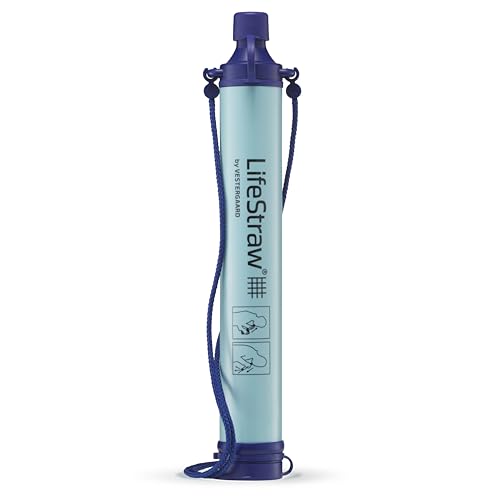
LifeStraw Personal Water Purifier for Hiking, Camping, Travel, and Emergency Preparedness
Removes Bacteria & Parasites: The Microfiltration Membrane Removes 99.999999% of Waterborne Bacteria (Including E. Coli and Salmonella), and…
As an affiliate, we earn on qualifying purchases.
As an affiliate, we earn on qualifying purchases.

Advanced Microplastics in Water Test Kit | Specialized EPA Certified Drinking Water Labs | 100% Unbiased
RECOMMENDED: For targeted testing and identification of microplastics in drinking water.
As an affiliate, we earn on qualifying purchases.
As an affiliate, we earn on qualifying purchases.