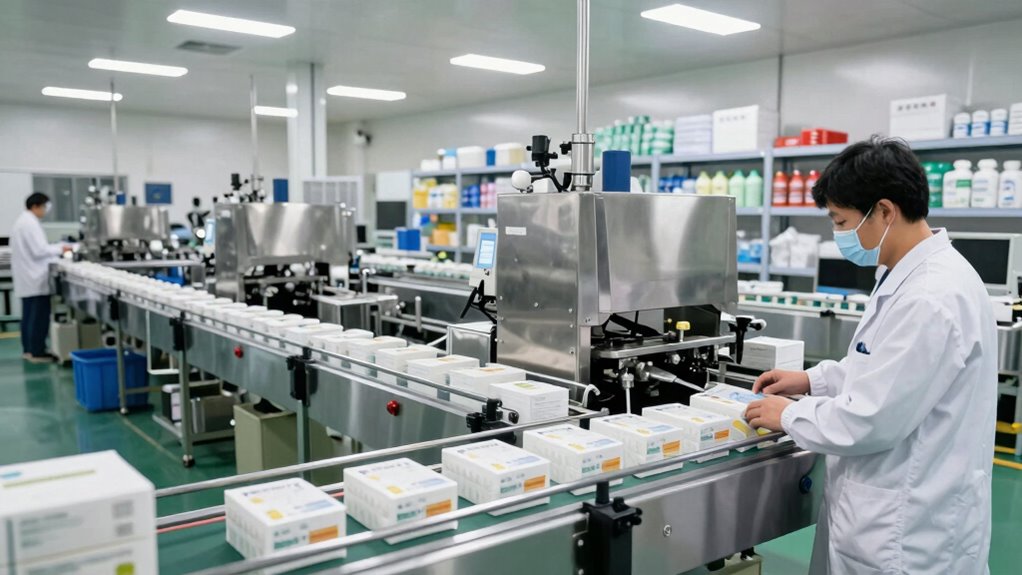

Private label manufacturing lets you create your own branded products without handling the production yourself. You partner with experienced manufacturers who handle everything from production to quality control, so you can focus on branding and marketing. It’s a cost-effective way to launch products quickly and customize packaging, ingredients, or materials to stand out in the market. To learn more about how this approach can benefit your business and open new opportunities, keep exploring the details.
Open a free Amazon Business account
Business pricing, bulk buying and tax-exempt orders.
As an affiliate, we earn on qualifying purchases.
Key Takeaways
- Private label manufacturing involves businesses branding products made by third-party manufacturers.
- It allows quick, cost-effective product launches without in-house production facilities.
- Companies can customize packaging, ingredients, and branding to differentiate their products.
- Manufacturers ensure quality control, safety, and compliance with industry standards.
- It offers scalable production, enabling brands to grow and adapt to market demand efficiently.
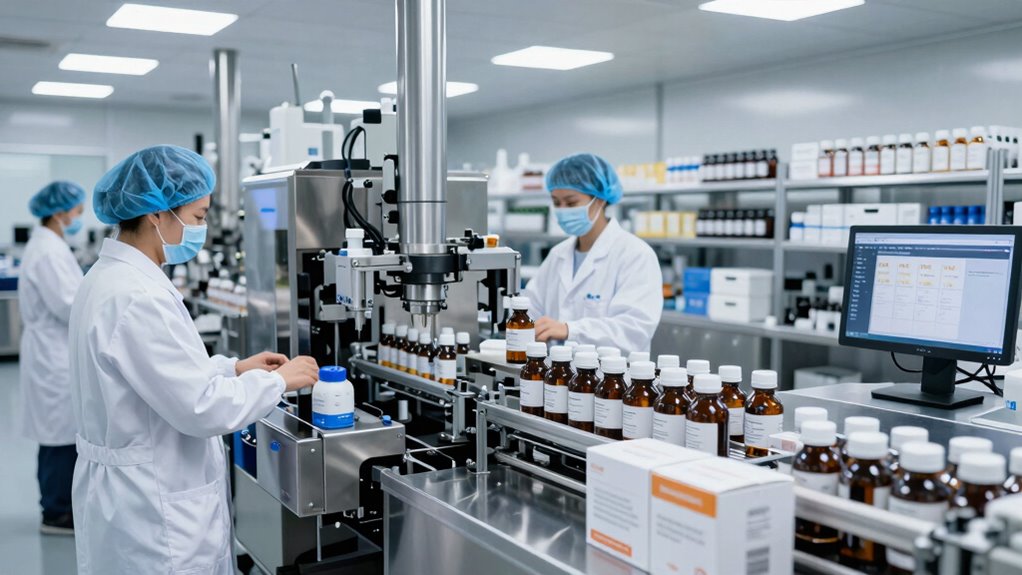
Have you ever wondered how brands create their unique products without manufacturing them in-house? That’s where private label manufacturing comes into play. It allows businesses to offer products under their own brand name without the need to handle production themselves. Instead, they partner with a manufacturer that already has the expertise, equipment, and capacity to produce goods tailored to their specifications. This approach provides a quick and cost-effective way to bring a product to market while maintaining control over branding and marketing strategies.
One of the main advantages of private label manufacturing is brand differentiation. When you choose this route, you can customize almost every aspect of your product, from packaging and labeling to ingredients or materials. This customization helps you stand out from competitors who might be offering similar items but with less personalized branding. By developing a unique look and feel, you foster brand recognition and loyalty among your customers. It’s a smart way to carve out your own niche in a crowded marketplace without the hefty investments associated with building your own manufacturing facility.
Customizing packaging, ingredients, and branding helps your products stand out and build loyal customer recognition.
Quality control is another essential benefit of private label manufacturing. While you’re not directly handling production, reputable manufacturers work closely with you to ensure that every batch meets your standards. You can specify quality parameters, ingredients, and manufacturing practices, giving you confidence that your products are consistent and safe. This oversight is indispensable because it ensures that your brand’s reputation remains intact, even when you’re not in the factory overseeing each step. A good private label partner will conduct regular inspections, testing, and quality assurance processes to uphold these standards, so you’re delivering reliable products to your customers. Furthermore, understanding the product development process can help you better collaborate with your manufacturer and ensure your specifications are met precisely. Additionally, many private label manufacturers utilize advanced manufacturing techniques that enhance product consistency and efficiency, further benefiting your brand. Recognizing the importance of quality standards can also help you select a manufacturing partner that aligns with your expectations. Moreover, partnering with experienced manufacturers can also provide valuable insights into regulatory compliance and industry best practices, which are crucial for maintaining market access and consumer trust. Furthermore, because the manufacturer already has the necessary facilities, you can scale production up or down based on demand, helping you manage costs more effectively. Incorporating sustainable manufacturing practices can also be advantageous, as consumers increasingly value environmentally responsible products.
private label manufacturing products
As an affiliate, we earn on qualifying purchases.
As an affiliate, we earn on qualifying purchases.
Frequently Asked Questions
How Long Does It Take to Develop a Private Label Product?
Developing a private label product typically takes 3 to 6 months, depending on factors like market trends and your competitor analysis. You’ll need time to identify consumer needs, select suppliers, and design packaging. Staying updated on market trends helps you spot opportunities faster, while thorough competitor analysis guarantees your product stands out. With clear planning and good communication, you can streamline the process and bring your product to market efficiently.
What Are the Common Costs Involved in Private Label Manufacturing?
Think of private label manufacturing costs as the building blocks of your business castle. You’ll face expenses like product development, packaging, and labeling—each a piece of the puzzle. Conducting thorough market research and cost analysis helps you spot hidden costs and avoid surprises. Be prepared for initial setup fees, production runs, and quality control. With careful planning, you’ll turn these costs into a sturdy foundation for your brand’s success.
Can I Customize the Packaging for My Private Label Products?
Yes, you can customize the packaging for your private label products. Packaging options vary, allowing you to choose designs, materials, and sizes that reflect your brand. Many manufacturers offer branding customization, so you can add your logo, colors, and messaging to create a unique look. This helps differentiate your products on the shelves and strengthens your brand identity, ensuring your packaging aligns perfectly with your overall branding strategy.
Are Private Label Products Subject to Specific Regulations or Certifications?
Imagine you’re in a bustling marketplace, like an old trading post. Private label products are subject to specific regulations and certification requirements, so you need to guarantee regulatory compliance. You must meet industry standards, pass inspections, and obtain necessary certifications to sell legally. Staying informed about these regulations helps avoid penalties and builds trust with your customers, guaranteeing your private label products are both safe and compliant in today’s competitive market.
How Do I Choose the Right Private Label Manufacturer for My Brand?
To choose the right private label manufacturer, prioritize product quality and supplier reputation. Research potential manufacturers thoroughly, read reviews, and ask for samples to evaluate quality firsthand. Consider their experience with your product type and their ability to meet your volume demands. Good communication and transparency are essential. Trust your instincts—partner with a supplier who demonstrates reliability, consistent quality, and aligns with your brand’s values.
Conclusion
Now that you’ve learned what private label manufacturing is, you might be wondering if it’s the right fit for your business. With its flexibility and branding opportunities, it’s a smart way to expand your product line without the hassle of manufacturing from scratch. Isn’t it exciting to think about building your own brand and standing out in the market? If you’re ready to take that leap, private label manufacturing could be your next big move.
Flea & tick season Picks
flea and tick prevention
As an affiliate, we earn on qualifying purchases.