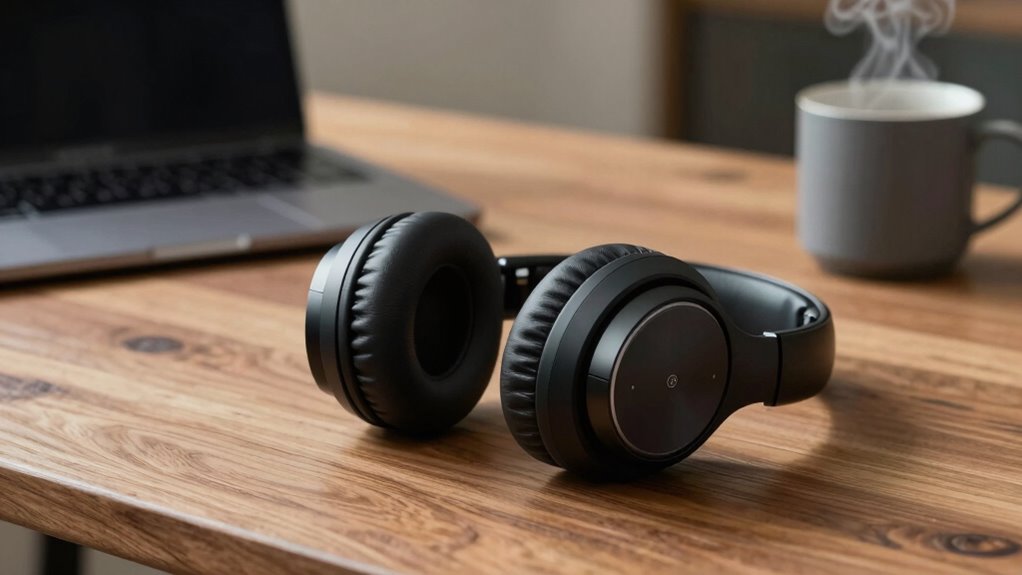

Noise cancelling headphones work by using tiny microphones to pick up ambient sounds around you. These microphones send the noise info to an internal processor, which creates anti-noise sound waves that cancel out unwanted sounds. They also use passive noise isolation through snug ear cups or tips to block noise physically. While active noise cancelling relies on technology, passive blocking enhances overall effectiveness. If you keep exploring, you’ll discover even more about how these features optimize your listening experience.

Prime made for students and young adults
- Fast, free delivery for dorm and study essentials
- Prime Video and Amazon Music included
- Member-only deals
Key Takeaways
- Active noise cancelling uses microphones to detect ambient sounds and creates anti-noise waves to cancel them out.
- Passive noise isolation physically blocks sound through snug ear cups or tips, enhancing overall noise reduction.
- Wireless headphones connect via Bluetooth, with longer battery life and quick charging for continuous noise cancelling.
- Microphone quality impacts noise cancelling effectiveness, especially in varying environments.
- Combining active and passive noise reduction techniques provides the best overall noise cancellation experience.
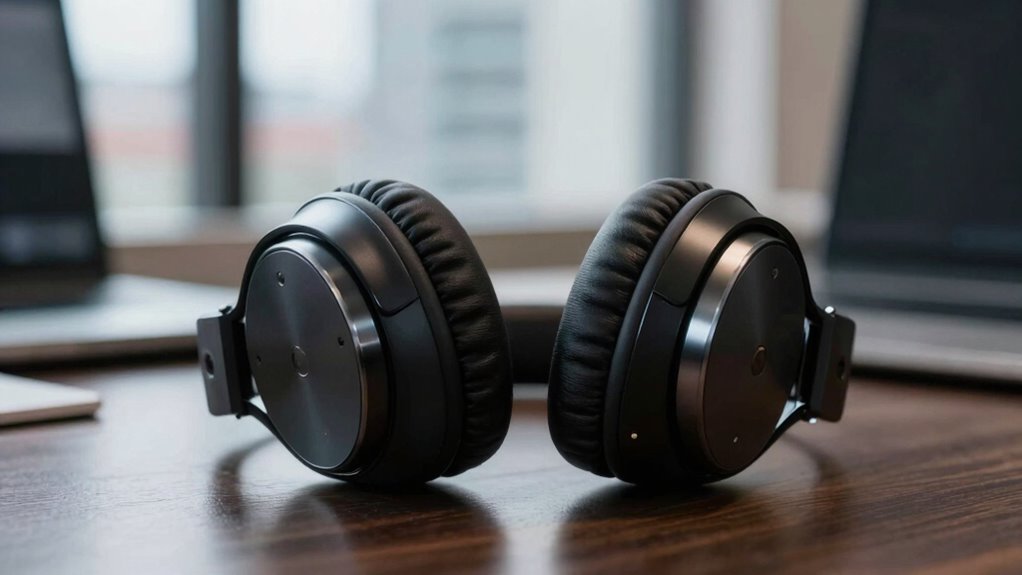
Have you ever wished you could block out noisy surroundings and focus solely on your music or calls? That’s exactly what noise cancelling headphones aim to do. They use a combination of advanced technology and clever design to create a quiet environment, even in the loudest places. At the core of their magic lies active noise cancelling technology, which involves tiny microphones that pick up ambient sounds. These microphones detect external noise and then send this information to the headphones’ internal processor. The processor quickly creates an opposite sound wave, known as an anti-noise, which cancels out the unwanted noise when played through the headphones’ speakers. The result? Your surroundings fade away, leaving only your audio to enjoy.
But noise cancelling isn’t just about sound waves. Many headphones also feature passive noise isolation, which is achieved through snug ear cups or ear tips that physically block sound from entering your ears. This combination of passive and active noise cancelling makes these headphones remarkably effective at reducing ambient noise. Whether you’re commuting, working in a busy office, or traveling on a plane, they help you focus on what matters most — your audio. Additionally, the effectiveness of noise cancelling can vary depending on the quality of the microphone and processing technology used in the headphones, highlighting the importance of understanding the technology behind noise cancellation.
Wireless connectivity plays a huge role in the convenience of modern noise cancelling headphones. With Bluetooth technology, you can connect seamlessly to your devices without the hassle of tangled cords. This wireless setup allows you to move freely without sacrificing sound quality or noise cancelling features. Plus, many models offer quick pairing and multi-device connectivity, making switching between your phone, tablet, or laptop effortless. That said, wireless connectivity also ties into battery life, which is a critical aspect of these headphones. Since active noise cancelling consumes extra power, manufacturers prioritize long-lasting battery life, so you don’t have to recharge constantly. Some headphones provide up to 20 or more hours of playback on a single charge, ensuring you can enjoy uninterrupted silence during long flights or workdays. Understanding battery technology can help you choose headphones that best fit your needs.
Battery life becomes especially important when you rely on noise cancelling headphones for daily use. A longer battery life means fewer interruptions and more consistent noise reduction. Many models also include features like quick charge, which gives you hours of use with just a few minutes of charging. This combination of wireless connectivity and robust battery life ensures you can enjoy your favorite audio without compromise, no matter where you are or how long you need them. Ultimately, noise cancelling headphones are about giving you control over your environment, letting you listen clearly and peacefully, free from external disturbances. Moreover, understanding passive noise isolation can help you select headphones that provide the best physical sound blockage for your specific needs. Additionally, factors such as microphone quality can influence how well the active noise cancelling performs in different environments. Improving microphone technology can further enhance overall noise cancellation effectiveness in varying surroundings.
best noise cancelling headphones
As an affiliate, we earn on qualifying purchases.
As an affiliate, we earn on qualifying purchases.
Frequently Asked Questions
Do Noise-Cancelling Headphones Work in All Environments?
Noise-cancelling headphones work well in many environments, but not all. They effectively reduce environmental noise like airplane engines or busy streets, helping you focus or relax. However, in extremely loud settings, they might not block out all sounds. Comfort is key, so choose headphones that fit well for longer wear. Keep in mind, some environments with sudden loud noises or complex sound profiles may still be challenging to fully suppress.
How Long Do Noise-Cancelling Headphones’ Batteries Last?
Battery longevity in noise-cancelling headphones varies based on usage and model, but most last between 20 to 40 hours on a full charge. Power management features help extend this lifespan by automatically reducing power when not in use. To maximize battery life, turn off noise cancellation when you don’t need it, and keep your headphones charged regularly. Proper care guarantees you get the most out of your headphones’ battery performance.
Are Noise-Cancelling Headphones Safe for Long-Term Use?
Yes, noise-cancelling headphones are generally safe for long-term use, but you should be mindful of potential health concerns like hearing damage if you listen at high volumes. Also, consider the environmental impact since some models use batteries that may contribute to e-waste. To stay safe, limit your usage time, keep the volume moderate, and choose eco-friendly options when possible.
Can Noise-Cancelling Headphones Improve Sound Quality?
Yes, noise-cancelling headphones can improve sound quality by blocking out background noise, allowing you to enjoy clearer audio. Their advanced headphone design enhances bass and detail, making your listening experience more immersive. When you use noise-cancelling features, you’ll notice richer, more balanced sound without turning up the volume excessively. So, investing in good noise-cancelling headphones can genuinely elevate your sound quality, especially in noisy environments.
Do Active Noise-Cancelling Headphones Block Out All Sounds?
You might wonder if active noise-cancelling headphones block out all sounds, but the answer’s no. They actively reduce ambient noise, making your environment quieter, but can’t eliminate every sound. They also help minimize sound leakage, so your music stays private. While they’re effective against constant noises like engines or chatter, sudden or high-pitched sounds may still reach your ears. So, expect a significant reduction, not complete silence.
Conclusion
Now that you know how noise-canceling headphones work, you can see they’re like your personal peacekeeper in a noisy world. By actively fighting the chaos around you, they create a bubble of calm where you can focus or relax. So, whether you’re commuting, working, or just craving silence, these headphones are your trusty shield against the clatter. Embrace their magic — and let your soundscape become a peaceful oasis amid the noise.
Fall Picks
fall essentials
As an affiliate, we earn on qualifying purchases.