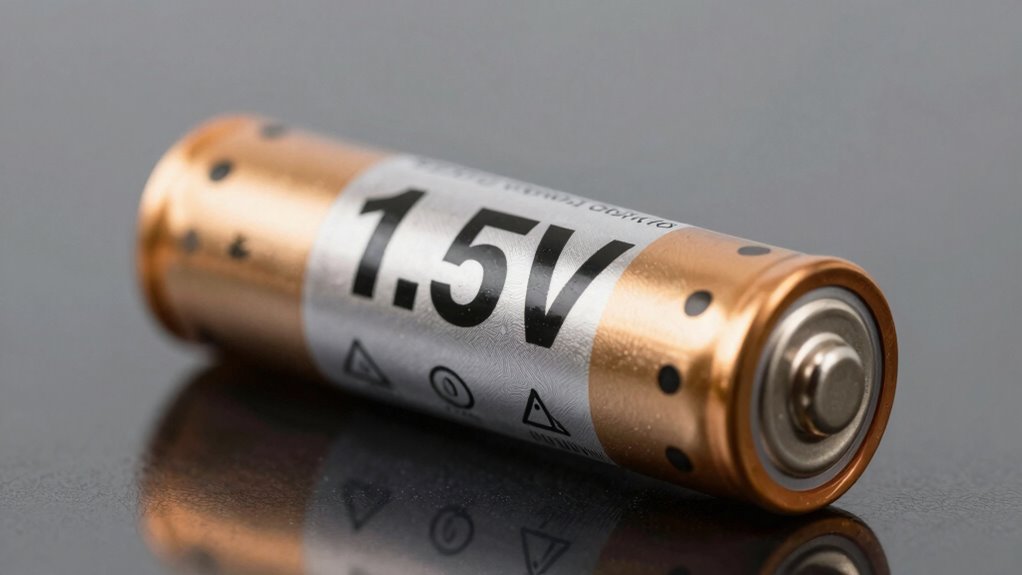

To understand battery labels, look for information on the battery chemistry, such as Li-ion or NiMH, which helps you handle and recycle batteries safely. Check the voltage (V) and capacity (mAh) to determine if the battery suits your device. Pay attention to safety symbols warning you of hazards like heat or punctures, and note recycling symbols for proper disposal. Mastering these details guarantees safety and environmental responsibility—keep going, and you’ll discover even more useful tips.

Get school and study supplies delivered free — and shop member deals
- Fast, free delivery on millions of items
- Access to Prime Big Deal Days deals on October 6–7
- Prime Video, Amazon Music and more included
Key Takeaways
- Check the battery chemistry label (Li-ion, NiMH, lead-acid) to identify handling and disposal requirements.
- Review voltage (V) and capacity (mAh) to assess device compatibility and performance needs.
- Observe safety symbols and warnings to prevent hazards like fire, leaks, or explosions.
- Look for recycling symbols and disposal instructions to ensure eco-friendly disposal methods.
- Read all labels thoroughly to handle, replace, and dispose of batteries safely and responsibly.
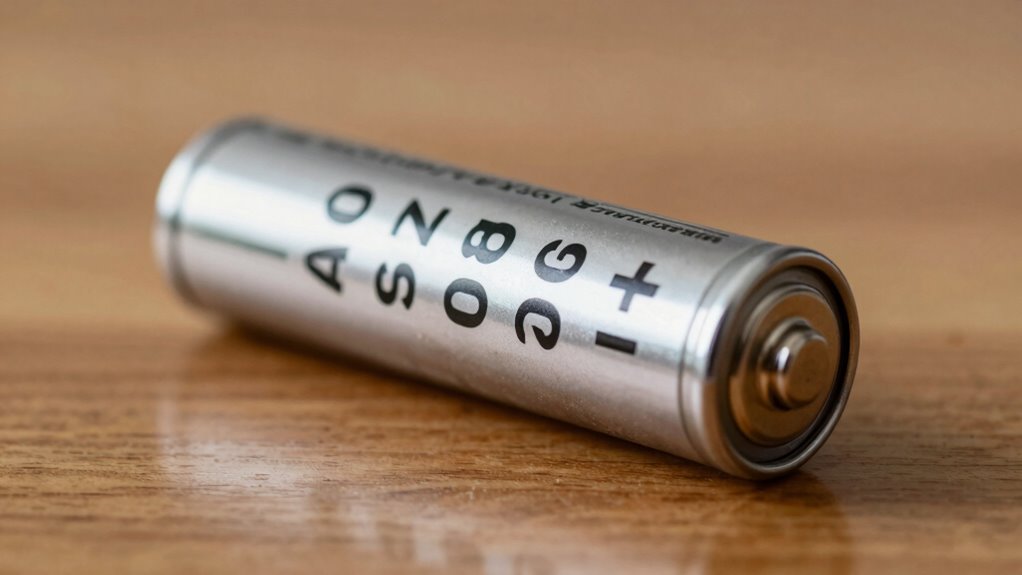
Understanding battery labels can seem confusing at first, but once you know what to look for, they become much easier to interpret. These labels contain essential information about the battery’s type, capacity, and safety instructions, helping you handle and dispose of batteries properly. When you understand these details, you can make safer choices and contribute to responsible practices like battery recycling. Proper disposal is critical because batteries contain chemicals that can harm the environment if not handled correctly. Learning to read labels ensures you’re aware of the recycling guidelines, preventing illegal dumping and encouraging eco-friendly disposal methods.
Learning to read battery labels helps ensure safe disposal and promotes eco-friendly recycling practices.
Battery labels typically display a mix of symbols, abbreviations, and numbers. The first thing you’ll notice is the battery’s chemistry, often indicated by codes like Li-ion for lithium-ion, NiMH for nickel-metal hydride, or lead-acid. Recognizing the chemistry helps determine how to recycle the battery safely and what precautions to take during handling. Labels also specify voltage and capacity, usually in volts (V) and milliamp-hours (mAh). These numbers tell you how much energy the battery can store and deliver, which is essential when replacing or upgrading devices. Knowing this info helps guarantee compatibility and ideal performance.
Safety warnings are prominently displayed on most battery labels. Look for symbols like a warning triangle, a crossed-out trash bin, or fire icons, which indicate potential hazards. These symbols are essential because they inform you about handling precautions, such as avoiding exposure to heat, puncturing, or improper disposal. Ignoring these warnings can result in dangerous situations like leaks, fires, or explosions. It’s important to follow safety instructions on the label to prevent accidents and to protect your safety and that of others around you. Recognizing safety symbols can help you avoid hazardous situations and ensure proper handling.
Labels also include recycling symbols and instructions. You’ll often see the Mobius loop, which indicates the battery is recyclable, and specific disposal codes. These symbols guide you to take batteries to designated recycling centers, where valuable materials can be recovered. Recycling batteries reduces environmental impact and prevents chemicals from contaminating soil and water. By understanding these labels, you’re empowered to make environmentally responsible choices and help promote battery safety throughout your community.
In short, reading and understanding battery labels is a simple but essential step in guaranteeing safety, proper usage, and environmentally friendly disposal. When you pay attention to the symbols, chemistry, and instructions, you not only protect yourself but also contribute to battery recycling efforts that benefit the planet. This knowledge helps you handle batteries confidently and responsibly, making sure you’re always aware of the right way to dispose of them and keep everyone safe.
As an affiliate, we earn on qualifying purchases.
Frequently Asked Questions
What Do Different Battery Label Colors Signify?
Different battery label colors use color coding and label symbolism to quickly convey important info. For example, green often indicates a safe, environmentally friendly, or rechargeable battery, while red signals caution, non-rechargeable, or potentially hazardous content. Blue might show specialty batteries like lithium or alkaline types. By understanding the color coding and label symbolism, you can effortlessly identify battery types, ensuring safe and proper usage.
How Often Do Battery Labels Get Updated?
You might worry about outdated info, but battery labels typically get updated whenever there’s a change in battery specifications or regulations, which can be every few years. The label’s durability guarantees it stays legible through everyday wear, giving you accurate info on battery lifespan. Staying aware of these updates helps you make informed choices, preventing surprises. Regularly checking labels and manufacturer notices keeps you confident in your battery’s performance.
Are There International Standards for Battery Labels?
Yes, there are international standards for battery labels. You should look for labels that comply with regulations like IEC 62133 or UN 38.3, which guarantee proper safety and handling based on battery chemistry. These standards help you understand the label markings, symbols, and safety instructions, making sure you handle batteries correctly. Always verify label compliance to avoid safety issues and ensure you’re following global guidelines.
Can Battery Labels Indicate Environmental Impact?
Battery labels act like a storybook, revealing their environmental impact through eco-friendly symbols and regulatory marks. You can easily spot environmental regulations and eco-friendly symbols that indicate how eco-conscious the battery is. These labels guide you to make responsible choices, showing if a product complies with environmental regulations and is designed to minimize ecological harm. By reading these symbols, you’re empowered to support sustainable practices and reduce your environmental footprint.
Do Labels Vary for Rechargeable Versus Disposable Batteries?
Yes, labels do vary between rechargeable and disposable batteries. You’ll notice differences in battery chemistry on the labels, which indicate the type of battery—rechargeable or disposable. Rechargeable batteries often highlight features like cycle life, while disposable ones emphasize single-use. Label durability is vital; it guarantees that the information remains clear over time. Recognizing these differences helps you choose the right battery for your needs and understand its environmental impact.
Conclusion
By now, you’ve got a good grasp on reading battery labels, so next time you’re shopping, you’ll know what to look for—no need to ask your trusty sidekick, like a knight seeking the Holy Grail. Remember, understanding these labels helps you pick the right battery for your device, saving time and frustration. With this knowledge, you’re all set to conquer your tech needs, just like a modern-day Sherlock Holmes cracking the case of the perfect power source.
Halloween Picks
halloween
As an affiliate, we earn on qualifying purchases.