
To check if two products come from the same factory, start by inspecting their labels for batch numbers or production codes, which can reveal manufacturing origins. Compare the materials, stitching, and finishing for similarities that suggest a shared source. Look for consistent design details and manufacturing techniques, and verify any factory certifications or transparency provided by the brands. These clues can help confirm their connection—if you want to uncover even more details, keep exploring the key methods involved.

Get school and study supplies delivered free — and shop member deals
- Fast, free delivery on millions of items
- Access to Prime Big Deal Days deals on October 6–7
- Prime Video, Amazon Music and more included
Key Takeaways
- Compare labels, batch numbers, and production codes for similarities indicating the same origin.
- Examine manufacturing details like stitching, materials, and finishing for consistency across products.
- Research brand reputation, transparency, and factory certifications through official sources.
- Look for shared manufacturing processes or techniques that suggest production at the same facility.
- Check for consistent branding and disclosures about production locations on official websites.
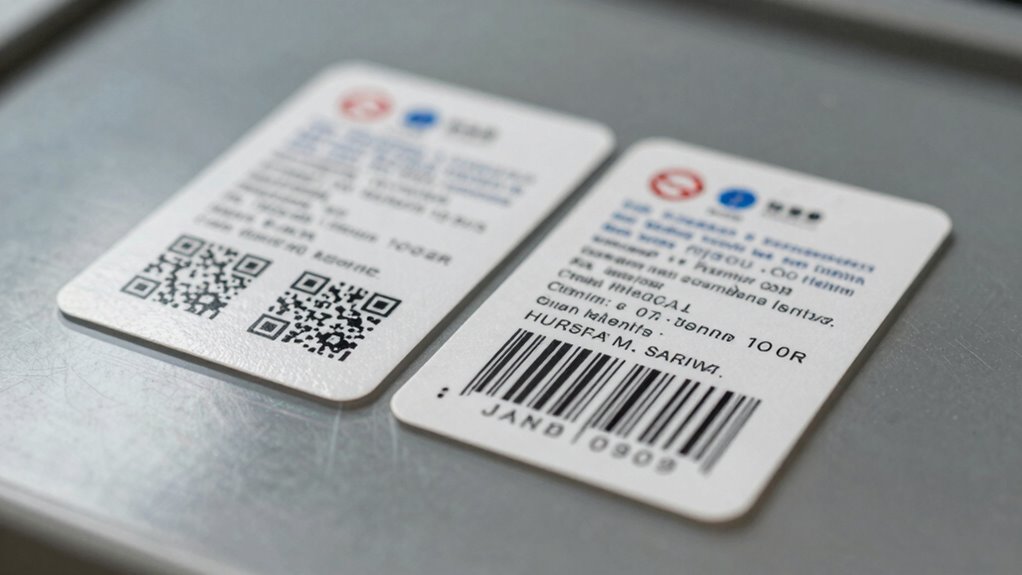
Ever wondered how to determine if two products originate from the same factory? It’s a common question, especially when you’re trying to verify quality, authenticity, or compare brands. One of the most reliable ways to start is by examining the brand reputation. Reputable brands often have strict manufacturing standards and transparency about their production origins. If both products come from brands known for high-quality manufacturing and have consistent branding, that’s a good indicator they might share the same source. Check the labels, packaging, and official websites for any clues about their manufacturing process. Companies that are transparent about where and how they produce their items tend to provide detailed information, such as factory locations or certifications, which can help you verify their origin.
Beyond brand reputation, scrutinizing the manufacturing process can reveal whether the products come from the same factory. Look closely at the materials used, the construction, and finishing details. Similarities in stitching, material texture, or finishing techniques can hint at a shared origin. For example, if two clothing items have identical stitching patterns or fabric types, it’s possible they’re made in the same facility. Manufacturers often use specific machinery or methods unique to their factory, so noticing these similarities can be a strong clue. Also, pay attention to batch numbers or production codes on the labels. Sometimes, these codes contain information about the manufacturing location or date, which can be cross-checked with other products. Additionally, manufacturing transparency can provide valuable insights into the origins of the items, helping you verify if they come from the same source. Furthermore, understanding production methods can further assist in identifying shared origins, especially when combined with other clues. Researching factory certifications or official disclosures can also help confirm whether the products stem from the same manufacturing site.
clothing label batch number checker
As an affiliate, we earn on qualifying purchases.
As an affiliate, we earn on qualifying purchases.
Frequently Asked Questions
Can Factory Location Details Be Publicly Accessed?
Factory location details can sometimes be publicly accessed, but it depends on the company’s policies. Many companies prioritize factory privacy and supply chain secrecy, making this information hard to find. You might discover some details through official websites, trade directories, or customs records. However, for sensitive or private facilities, this information is often restricted to protect business interests and maintain supply chain confidentiality.
Do Identical Packaging Guarantee the Same Factory Origin?
Identical packaging doesn’t guarantee the same factory origin because packaging variations can occur even within the same brand. To verify brand authenticity, check for consistent branding elements, batch codes, or manufacturing details. Sometimes, similar packaging might be used for different regions or products. Always look for official labels or contact the brand directly to confirm product origins, ensuring you get authentic items and avoid counterfeit or mismatched products.
Are There Specific Symbols Indicating Factory Origin?
Yes, some products feature specific symbols indicating factory origin, aiding brand authenticity. Look for unique manufacturing marks, codes, or symbols often found on labels or packaging. These are sometimes counterfeit symbols used by fraudsters, so verify their authenticity through official brand resources or customer service. Recognizing genuine factory symbols helps you distinguish authentic products from counterfeit ones, ensuring you get quality and genuine items directly from the source.
How Reliable Are Online Factory Databases?
They say “trust, but confirm,” and online factory databases can help, but their reliability varies. While some offer accurate info on brand authenticity and supply chain transparency, others may be outdated or incomplete. Use these tools as a starting point, but don’t rely solely on them. Cross-check with official certifications or direct contact for confirmation. Remember, thorough research ensures you’re making informed, confident choices.
Can Manufacturing Dates Reveal Factory Information?
Manufacturing dates can sometimes help verify product authenticity and quality assurance, but they don’t always reveal factory details directly. You might notice date codes or batch numbers that, when cross-checked with manufacturer records, confirm origin. However, these dates alone aren’t definitive proof of factory origin. To guarantee authenticity, combine manufacturing date info with other details like serial numbers, packaging, and trusted sources to get a clearer picture of where your product truly comes from.
Conclusion
So, next time you’re enthusiastic to believe two products are from the same factory, remember that a quick look at labels or a bit of research might just reveal a different story. Ironically, what seems like a straightforward connection could be as elusive as finding a needle in a haystack. Sometimes, the truth behind a product’s origin is more hidden than you’d expect — proving that appearances can indeed be deceiving.
Halloween Picks
halloween
As an affiliate, we earn on qualifying purchases.