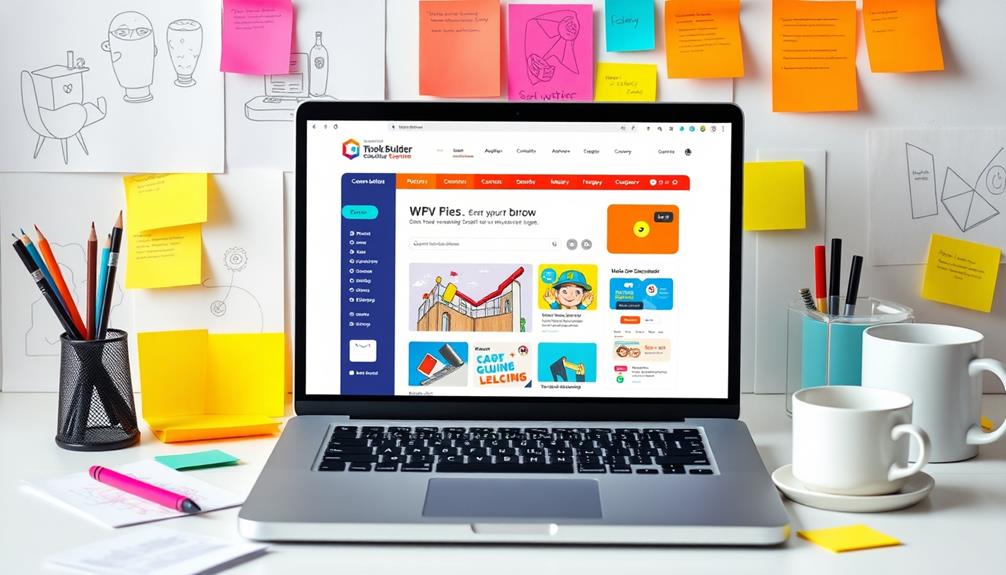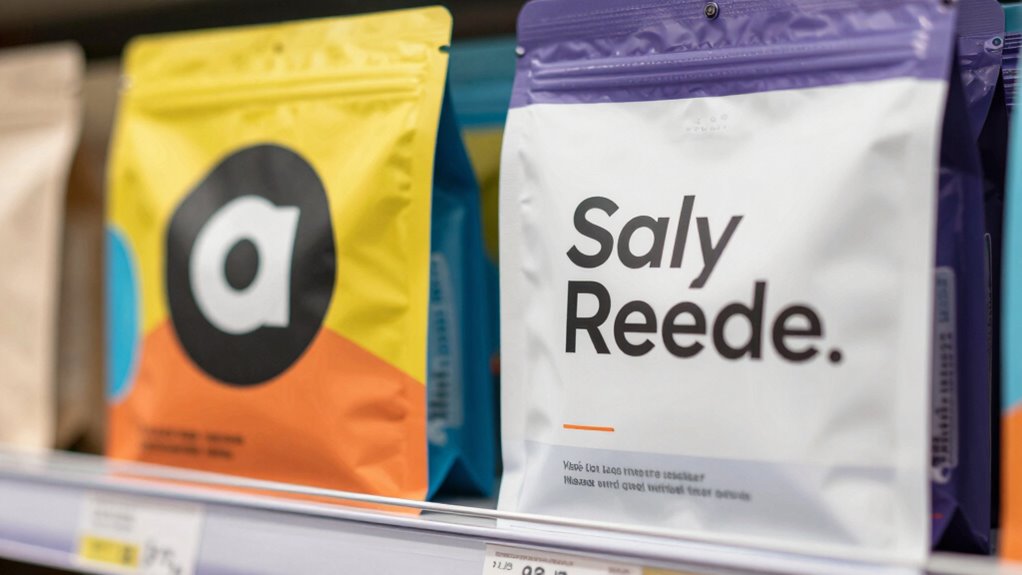

To spot a rebranded product online, compare logos, fonts, and color schemes across images. Look for slight tweaks in design or packaging materials that make the product appear more modern or different. Inconsistencies in messaging or packaging can also reveal rebranding efforts. Pay attention to visual cues like logo styles or overall style changes. If you want to master identifying these subtle signs, you’ll find more useful tips ahead.

Get school and study supplies delivered free — and shop member deals
- Fast, free delivery on millions of items
- Access to Prime Big Deal Days deals on October 6–7
- Prime Video, Amazon Music and more included
Key Takeaways
- Compare logos, fonts, and color schemes across different listings for subtle or significant differences.
- Look for packaging updates such as new design, materials, or shape that indicate rebranding.
- Check for consistency in branding elements; discrepancies may suggest a rebranded product.
- Analyze messaging and imagery; shifts can reveal targeting of a different audience.
- Be cautious of old packaging or claims of “new” products that resemble previous versions.
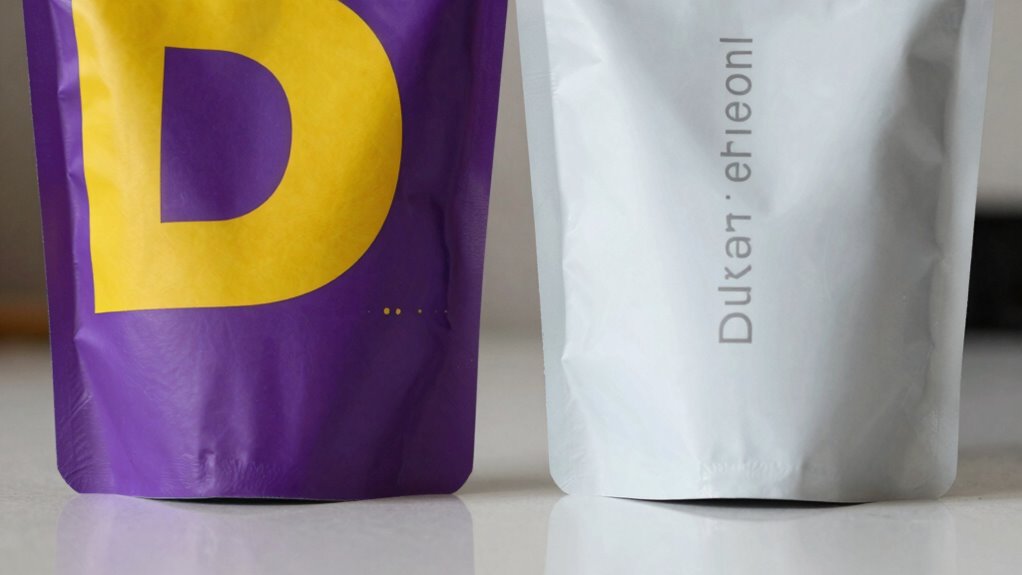
Rebranding is a common strategy used by companies to refresh a product’s image or target a different audience, but it can sometimes be tricky to spot online. When browsing through online stores, social media, or even review sites, you might come across products that look familiar but have undergone subtle or drastic changes. Recognizing these rebranded items requires paying close attention to details like brand consistency and packaging differences.
First, look at the branding elements such as logos, fonts, and color schemes. Even if a product’s name has changed, the core branding elements often remain similar if it’s a rebrand. Companies tend to keep consistent logo styles or color palettes to maintain brand recognition, but they might tweak these slightly to appeal to a new audience. If you notice a product with a logo that looks vaguely familiar but not quite the same, it could be a rebranded version. Pay attention to the overall visual style and messaging; sometimes, the tone or imagery shifts to target a different demographic, which can be a sign of rebranding.
Spot subtle logo, font, or color changes to identify a rebranded product targeting a new audience.
Another key indicator is packaging differences. Rebranded products often feature updated packaging that may look more modern or aligned with current trends. You might see a change in the material quality, the shape of the container, or the design layout. Even minor differences such as font changes, new logos, or updated graphics can signal a rebrand. Keep in mind that packaging is one of the most visible elements, so companies often invest heavily here to convey the new brand identity. Comparing images of the product from different sources can help you spot these differences more clearly. Additionally, understanding brand consistency can help you identify whether the product truly belongs to the same company or if it’s a rebrand. Recognizing visual cues like these can also help differentiate between genuine updates and counterfeit or imitation products.
Brand consistency is essential for a successful rebranding, but it’s not always perfect. Sometimes, rebranded products still retain certain elements from their previous versions to maintain customer recognition, so be attentive to inconsistencies in messaging or visual cues. For example, if the product claims to be new but the packaging looks identical to an older version, it might be a rebrand designed to keep costs low or to test a new market segment.
As an affiliate, we earn on qualifying purchases.
Frequently Asked Questions
Can a Rebranded Product Have Different Ingredients Than the Original?
Yes, a rebranded product can have different ingredients than the original. Ingredient variation often occurs during rebranding, leading to formula discrepancies. These changes might be intentional, to improve the product, or unintentional, due to sourcing differences. As a consumer, you should always compare ingredient lists on packaging or official websites to spot these differences, ensuring you’re aware of any potential variations that could affect your experience or allergies.
Are Rebranded Products Always Cheaper Than the Original?
Think of rebranded products like actors in a play—they might wear different costumes but still perform the same scene. Rebranded products aren’t always cheaper; sometimes, they maintain brand consistency and consumer trust by matching or even exceeding original prices. As a savvy shopper, you recognize that pricing varies based on marketing, packaging, and perceived value. So, don’t assume a lower price signifies a better deal—look deeper to understand what you’re really getting.
How Quickly Do Companies Typically Rebrand Their Products?
Companies typically rebrand their products within a few months to a couple of years, depending on their branding strategy and market response. You should watch for quick rebranding, which often aims to shift consumer perception or refresh the product’s image. Rapid rebranding can suggest an effort to stay competitive or change how consumers see the product. Keep an eye on these changes, as they reveal the company’s approach to influencing consumer perception.
Is It Legal to Rebrand a Product Without Changing Its Packaging?
You’re holding a product that looks familiar, but is it legal to rebrand without changing its packaging? Generally, it’s not, as rebranding without altering packaging can lead to trademark infringement and harm consumer perception. Companies must make certain they don’t mislead customers or infringe on trademarks. If the packaging stays the same, it might seem like the same product, which risks legal issues and damaging trust. Always check legal boundaries before rebranding.
Do Rebranded Products Usually Come With Different Warranties?
Rebranded products often come with different warranties, impacting your consumer trust and brand authenticity. When you buy a rebranded item, the warranty may vary based on the new brand’s policies, which can sometimes be less thorough. Always check the warranty details carefully, as it directly affects your confidence in the product’s quality and the company’s commitment. Being aware of these differences helps you make informed choices and maintains your trust as a consumer.
Conclusion
Think of spotting a rebranded product like a detective piecing together clues in a bustling market. Each label, logo, or packaging detail is a breadcrumb leading to the true identity behind the disguise. With keen eyes and a sharp mind, you can navigate the maze of brands and uncover the original behind the mask. Stay vigilant, trust your instincts, and soon you’ll be unraveling the hidden stories behind every online product like a master sleuth.
Halloween Picks
halloween
As an affiliate, we earn on qualifying purchases.