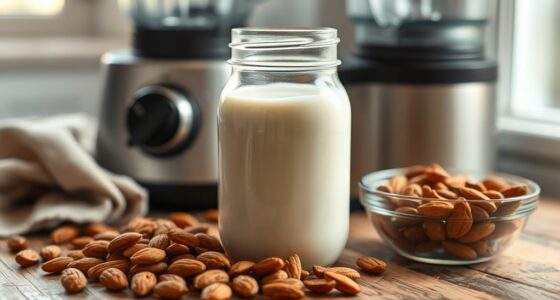
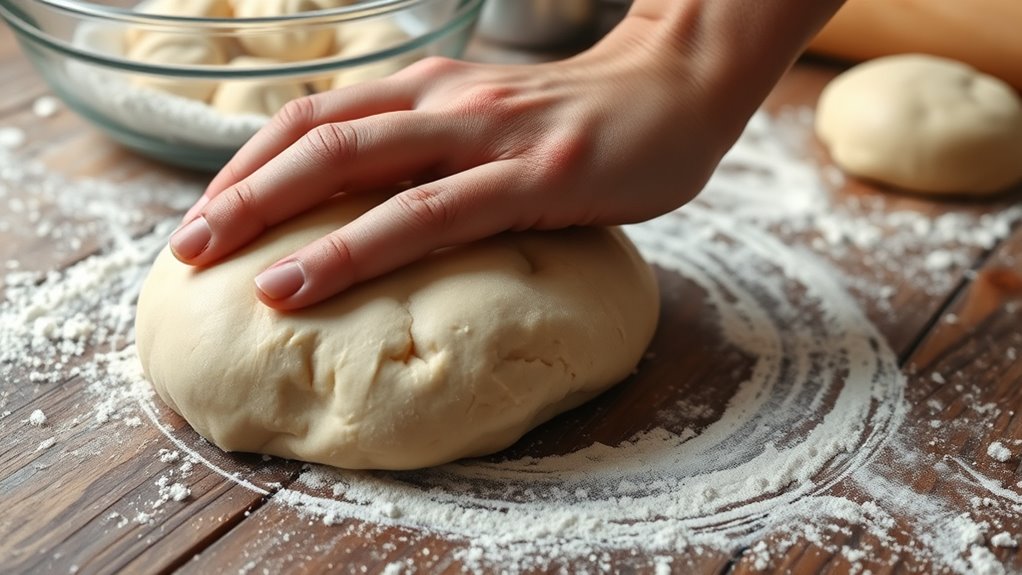

To make pizza dough at home, combine flour, water, yeast, salt, and olive oil in a mixing bowl. Knead the ingredients until the dough becomes smooth and elastic, then let it rest and rise until it doubles in size. You can customize your dough by choosing whole wheat or gluten-free flours, adding seeds, or adjusting ingredients to suit your diet. Keep going, and you’ll discover tips to perfect your homemade crust.
Key Takeaways
- Mix flour, water, yeast, salt, and olive oil until combined, then knead thoroughly to develop gluten or distribute binders.
- Allow the dough to rest and rise until it doubles in size for optimal texture and flavor.
- Punch down the dough, then roll or shape into your desired pizza base.
- Customize ingredients by choosing whole wheat, gluten-free options, or adding seeds for extra nutrition.
- Rest the dough again if needed before adding toppings and baking for a delicious homemade pizza.

Making your own pizza dough at home is easier than you might think. When you prepare it yourself, you gain control over the ingredients, ensuring your pizza is both fresh and nutritious. One major advantage is the ability to incorporate ingredients that boost nutritional benefits. For example, using whole wheat flour instead of white flour adds fiber, vitamins, and minerals, making your meal more wholesome. You can also experiment with adding seeds like flax or chia, which provide omega-3 fatty acids and additional fiber. For those with gluten sensitivities or celiac disease, gluten-free options are readily available. You can substitute traditional wheat flour with gluten-free blends made from rice, almond, or chickpea flour, allowing everyone to enjoy homemade pizza without concern. These alternatives maintain the dough’s texture and flavor, especially when combined with binding agents like xanthan gum or psyllium husk. Making your own gluten-free dough might require a bit of experimentation, but the results are worth it, giving you a delicious pizza that caters to various dietary needs.
Additionally, utilizing keto-friendly ingredients can help customize your dough for specific dietary goals. Starting with the basic ingredients, you’ll need flour, water, yeast, salt, and a bit of olive oil. If you’re aiming for extra nutritional benefits, consider adding seeds or whole grain flours right from the beginning. When mixing, be sure to knead the dough thoroughly; this develops gluten in traditional recipes or helps distribute binders evenly in gluten-free options. Resting the dough allows the yeast to activate and the flavors to develop, so resist the urge to rush this step. Once it’s doubled in size, you can punch it down and roll it out, shaping it into your preferred pizza base.
Homemade pizza dough offers versatility with its nutritional benefits. You can control the salt content or omit refined sugars, making it healthier than store-bought versions. Plus, by choosing gluten-free ingredients, you make your pizza accessible to more dietary needs, all while maintaining a delicious, satisfying crust. It’s a flexible process that encourages creativity, whether you want a simple, classic crust or a nutrient-packed, gluten-free alternative. The best part? You’ll know exactly what’s going into your dough, ensuring freshness and quality in every bite. Making your own pizza dough isn’t just satisfying; it’s a smart way to enjoy pizza that’s both tasty and aligned with your health goals.

Joydeem HMJ-A701 Electric Dough Maker (7.4Qt) with Ferment Function – Ideal for Bread, Pizza, Sourdough & Dumpling Dough
Versatile Dough Options: Joydeem electric dough maker mimics the action of hand-kneading with a 200W motor that operates…
As an affiliate, we earn on qualifying purchases.
As an affiliate, we earn on qualifying purchases.
Frequently Asked Questions
Can I Use Gluten-Free Flour for Pizza Dough?
Yes, you can use gluten-free flour for your pizza crust. Just know that gluten-free flours, like rice or almond flour, may require additional binding agents such as xanthan gum or eggs to help hold the dough together. You might need to experiment with the ratios to get the right texture. Once perfected, your gluten-free pizza crust will be delicious and satisfying, catering to dietary needs without sacrificing flavor.
How Long Can I Store Pizza Dough in the Fridge?
You can store pizza dough in the fridge for up to 3 days, but don’t forget—dough fermentation continues slowly even when cold. If you want the best flavor and texture, use airtight storage techniques and keep an eye on it. After 3 days, the dough might become overly fermented, risking a sour taste or compromised structure. So, plan your pizza night wisely to enjoy perfect, fresh dough.
What Are Alternative Leavening Agents Besides Yeast?
You can use alternative leavening agents like baking powder or baking soda instead of yeast. These work quickly and create bubbles to lift your dough. Natural fermentation methods, such as using sourdough starter, also serve as excellent alternatives, providing a tangy flavor and chewy texture. Just remember, each method requires different preparation times and techniques, so choose based on your desired flavor and texture for your pizza crust.
Can I Freeze Pizza Dough for Later Use?
Yes, you can freeze pizza dough for later use. Use proper freezing techniques by wrapping the dough tightly in plastic wrap or placing it in an airtight container. When you’re ready, thaw the dough in the refrigerator overnight or at room temperature for a couple of hours. Make sure to avoid over-thawing, as it can affect dough texture. Proper dough thawing ensures your pizza will turn out delicious each time.
How Do I Make Pizza Dough Without a Stand Mixer?
You can make pizza dough without a stand mixer by manually kneading the dough or using a food processor. For manual kneading, mix ingredients until combined, then knead on a floured surface for about 8-10 minutes until smooth. If using a food processor, pulse ingredients until they form a crumbly mixture, then process until dough forms. Both methods save you time and effort, giving you delicious homemade pizza dough.
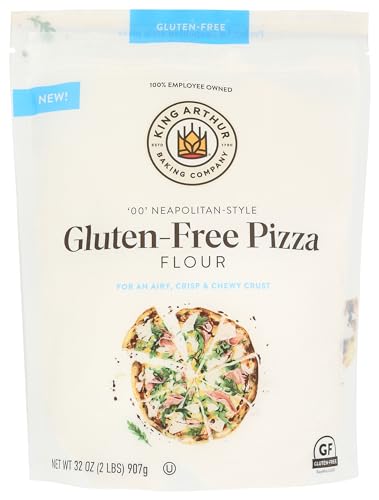
King Arthur Gluten Free Pizza Flour: Crispy Neapolitan-Style Crust – 32 oz Box, Perfect for GF Baking, Celiac-Friendly, 00 Pizza Dough Mix
Perfect Crust: Achieve crispy, airy Neapolitan-style pizza crusts with King Arthur gluten free flour blend. Specially formulated for…
As an affiliate, we earn on qualifying purchases.
As an affiliate, we earn on qualifying purchases.
Conclusion
Now that you know how to make pizza dough, you’re ready to create delicious homemade pies anytime. With a little practice, you’ll master the art of perfect crusts that impress friends and family alike. Isn’t it rewarding to turn simple ingredients into something so delicious? Remember, the key is patience and passion. So, why not roll up your sleeves and start crafting your own pizza dough today? Your taste buds will thank you.
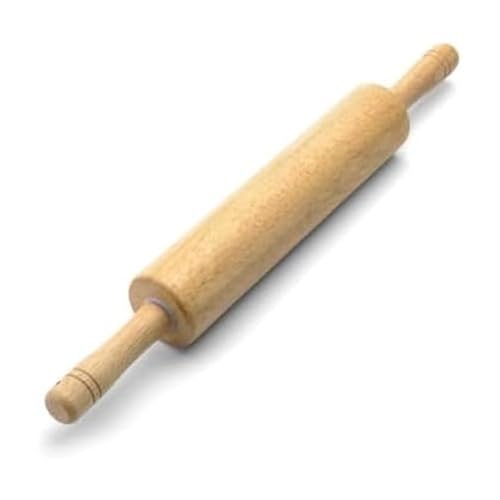
FARBERWARE Classic Wood Rolling Pin, 18-Inch Hardwood Dough Roller for Baking Pizza, Pies, Pastry and Cookies, Ergonomic Handles, Kitchen Essential
PREMIUM HARDWOOD CONSTRUCTION: Crafted from moisture-resistant hardwood for lasting durability. Smooth rolling surface ensures consistent results for all…
As an affiliate, we earn on qualifying purchases.
As an affiliate, we earn on qualifying purchases.

Old Stone Round Pizza Stone, 16-Inch
Makes restaurant quality pizzas, bread, pastries and vegetables
As an affiliate, we earn on qualifying purchases.
As an affiliate, we earn on qualifying purchases.