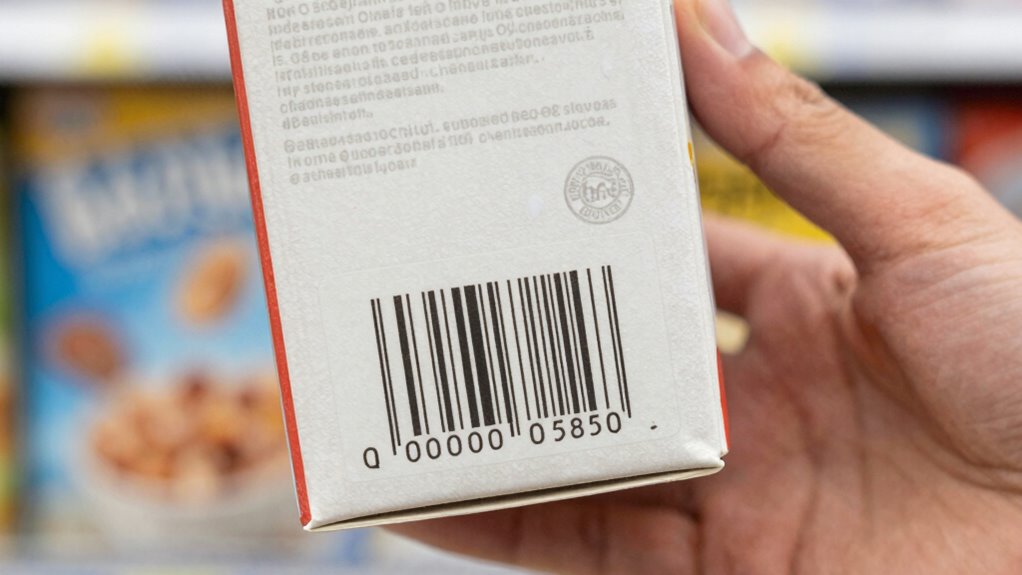

To find who manufactures a store brand, start by checking packaging labels for symbols or certification marks that reveal country of origin. Contact the retailer’s customer service to ask about the manufacturer or look for transparency initiatives on their website. Research supply chain insights in their sustainability reports or third-party watchdogs. Recognize contract manufacturers that serve multiple brands, and look for clues on official documents or press releases. Keep exploring, and you’ll uncover more about where your favorite products come from.

Prime made for students and young adults
- Fast, free delivery for dorm and study essentials
- Prime Video and Amazon Music included
- Member-only deals
Key Takeaways
- Check product labels and packaging for manufacturer details or country of origin symbols.
- Contact the retailer’s customer service for information on product manufacturers.
- Review the retailer’s transparency reports or sustainability disclosures for supply chain insights.
- Research third-party reports and watchdog organizations that track manufacturing sources.
- Identify contract manufacturers serving multiple brands to uncover shared production facilities.
Ever wondered who actually makes the store brands you buy? It’s a question many shoppers have, especially when they notice how similar some store brands are to national brands. The truth is, the manufacturing behind store brands is often hidden behind layers of branding and distribution. But if you’re curious, there are ways to uncover the details. One key aspect to consider is brand transparency. Some retailers are more open than others about their manufacturing partners, sharing insights into their supply chain. When a store promotes transparency, it means they’re willing to disclose where their products come from and who makes them. This can be a good starting point for your research.
Many store brands are made by hidden manufacturers; transparency helps reveal their true origins.
To dig deeper, you’ll want to explore supply chain insights. Many companies keep their manufacturing partnerships under wraps, but some provide clues through their websites, sustainability reports, or press releases. For example, if a retailer highlights their commitment to ethical sourcing, they may also mention specific factories or regions where their products are produced. Additionally, third-party organizations and watchdog groups sometimes publish reports or databases that detail manufacturing sources for popular store brands. By cross-referencing these resources, you can get a clearer picture of the supply chain behind your favorite store brand. Recognizing the role of contract manufacturers can help you understand how multiple brands might share the same production facilities.
Understanding manufacturing networks can also offer insight into the broader industry relationships that influence where and how products are made. Another helpful approach is to contact the retailer directly. Customer service representatives can often provide information about the manufacturer or at least point you in the right direction. Some stores even have dedicated transparency initiatives or product labels that indicate where a product was made. Furthermore, paying attention to packaging details can give clues—certain labeling, symbols, or certification marks might reveal the country of origin or manufacturing standards. Keep in mind that tracking down this information can sometimes involve examining publicly available records, which may require some patience and research.
Keep in mind that many store brands are produced by contract manufacturers. These are companies that specialize in making products for multiple brands, including store labels and national brands alike. Once you identify the contract manufacturer, you can research them further. Many of these manufacturers are publicly listed or have their own websites, where they share their client base and manufacturing locations. Recognizing the importance of supply chain transparency can help you better understand the origins of your products.
In the end, uncovering who makes a store brand requires a bit of detective work. By focusing on brand transparency and leveraging supply chain insights, you can peel back the layers and discover the origins of your everyday purchases. It’s a way to make more informed choices and understand the broader journey of the products you bring into your home.
store brand manufacturer information
As an affiliate, we earn on qualifying purchases.
As an affiliate, we earn on qualifying purchases.
Frequently Asked Questions
Are Store Brands Always Manufactured by the Same Companies?
Store brands aren’t always manufactured by the same companies every time, which can affect brand consistency. Some manufacturers produce multiple store brands, but others change for cost or quality reasons. As a consumer, you might notice differences in product quality or packaging. Manufacturer transparency varies; some stores disclose their suppliers, while others keep it private. Staying informed helps you understand whether your preferred store brand maintains consistent quality across different batches or manufacturers.
How Often Do Store Brands Change Manufacturers?
Store brands can change manufacturers surprisingly often, sometimes due to cost, quality, or strategic shifts. As a consumer, your brand loyalty might influence your perception of consistency, but manufacturers prioritize transparency to maintain trust. Keep an eye on packaging updates or official store announcements, as these can reveal changes. Staying informed helps you make smarter choices, ensuring you’re aware of any shifts that could affect product quality or sourcing.
Can I Contact the Manufacturer Directly?
Think of product sourcing like a secret recipe—sometimes, you can find the chef behind it. You can often contact the manufacturer directly, but they might direct you to the store’s customer service for transparency. Brand transparency varies; some brands openly share manufacturer info, while others keep it hidden. If you’re curious, reach out to customer service first, and they may connect you with the manufacturer or provide details about the supply chain.
Do Store Brands Have Different Quality Standards?
Store brands can have varying quality standards, but many prioritize brand loyalty and product consistency to keep customers satisfied. Some store brands are produced by reputable manufacturers with strict quality controls, guaranteeing similar standards across batches. Others may differ slightly in quality. To ensure you’re getting the best, read reviews and compare products. Your loyalty to a store brand often depends on consistent quality, so paying attention helps you make smarter choices.
Are Store Brand Manufacturers Listed Publicly Anywhere?
Did you know that most store brand manufacturers aren’t publicly listed? You usually won’t find detailed product sourcing or brand transparency info directly. Some stores disclose manufacturer details on their websites or through customer service, but it’s often limited. To uncover who makes a store brand, you might need to contact the retailer directly or check third-party reports. Transparency varies, so don’t hesitate to ask for more info!
Conclusion
So, next time you’re marveling at that store brand’s sleek packaging, remember—what’s inside might be a mystery wrapped in a riddle. Ironically, the very quest to uncover the manufacturer often leaves you more puzzled than before, like hunting for a hidden treasure with no map. But don’t give up; sometimes the best surprises come from the most unexpected places. After all, isn’t it fun to wonder who’s really behind that familiar smile on the label?
Halloween Picks
halloween
As an affiliate, we earn on qualifying purchases.