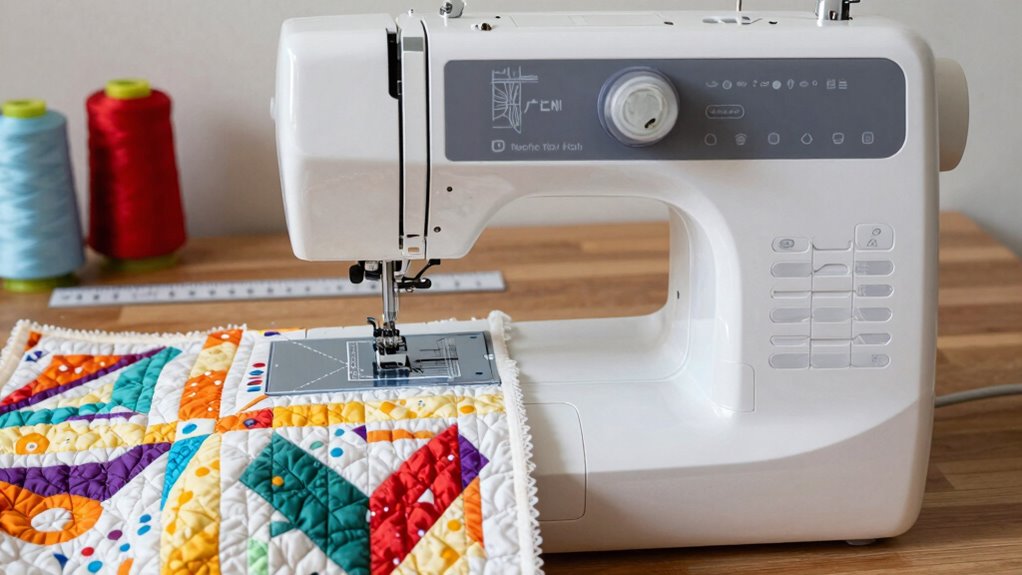
When choosing a quilting sewing machine, focus on excellent tension management for even stitches and smooth fabric handling, especially with multiple layers. Look for a sturdy build that minimizes vibrations and guarantees stability during detailed quilting. Features like a walking foot and larger throat space make handling thick fabrics easier. Try out different models to see how well they control tension and feed fabric smoothly. Keep these tips in mind, and you’ll find the perfect machine to create professional-quality quilts.

Prime made for students and young adults
- Fast, free delivery for dorm and study essentials
- Prime Video and Amazon Music included
- Member-only deals
Key Takeaways
- Prioritize machines with excellent tension management for smooth, professional-looking quilting stitches.
- Choose a model with strong fabric handling features like a walking foot and larger throat space.
- Ensure the machine offers stable build quality to reduce vibrations and maintain consistent tension.
- Look for easy-to-access tension controls and seamless tension maintenance during quilting projects.
- Test different models to evaluate feeding, tension stability, and overall comfort for extended quilting sessions.
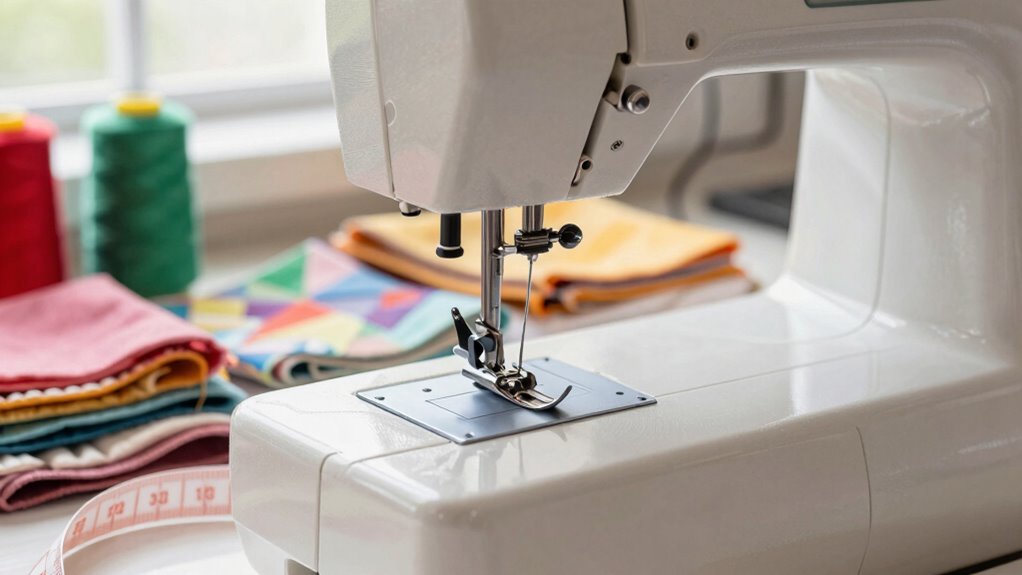
Are you overwhelmed by the wide variety of sewing machines available for quilting? It’s a common feeling because choosing the right machine involves understanding features that directly impact your quilting experience. One of the first things to consider is how the machine manages thread tension. Proper thread tension ensures your stitches are balanced—neither too tight nor too loose. If your tension isn’t correct, your quilt can end up with puckering or skipped stitches, making your project look unprofessional. Look for a machine that offers easy adjustment of thread tension, so you can fine-tune it as needed depending on the fabric and thread types you’re working with. This becomes especially important when working with multiple layers of fabric or delicate materials, where precise tension helps keep everything smooth and even.
Choose a sewing machine with easy tension adjustment for smooth, professional-looking quilting results.
Fabric handling is another critical aspect. Quilting involves sewing through multiple layers, and a machine that handles fabric well will make this process much easier. You want a machine with a strong, consistent feed system that can grip and move thick layers without slipping or bunching. Features like a walking foot or even feed dogs can significantly improve fabric handling, especially when quilting large pieces or working with tricky fabrics like batiks or velvets. The machine’s throat space—or the area behind the needle—also matters. More space allows you to maneuver big quilt tops comfortably without feeling cramped, reducing fatigue and increasing accuracy.
When shopping, pay attention to how the machine handles different fabrics and thicknesses. Try running some scrap fabric through to see how smoothly it feeds and whether the tension stays consistent. A machine with adjustable tension controls, but also one that maintains tension seamlessly during quilting, makes the process more enjoyable. Also, consider the machine’s stability. A sturdy, well-built machine reduces vibrations, which helps keep the tension steady and prevents puckering. The controls should feel intuitive, allowing you to switch between stitches easily and adjust tension or stitch length quickly.
Ultimately, your ideal quilting machine balances excellent fabric handling with reliable thread tension control. It should be comfortable to operate for hours, handle multiple layers confidently, and give you consistent, professional-looking stitches. Investing in a machine that features these qualities will make your quilting projects more enjoyable and yield better results. Take your time testing different models, focusing on how they manage tension and fabric, so you end up with a machine that truly supports your quilting style.
Popular right now

Breville Barista Pro Espresso Machine with Grinder, Brushed Stainless Steel

KitchenAid 5.5-Qt Bowl-Lift Stand Mixer, Porcelain White

Samsung 48-Inch S90F OLED 4K Smart TV (2025)
As an affiliate, we earn on qualifying purchases.
Frequently Asked Questions
Can I Use a Regular Sewing Machine for Quilting?
Yes, you can use a regular sewing machine for quilting, but keep in mind its machine speed and stitch length options. Regular machines often have adjustable stitch lengths, which are essential for quilting projects. However, their machine speed may be limited, making it harder to sew through thick layers. For more efficiency, look for a machine with a high adjustable speed and versatile stitch length settings, or consider a dedicated quilting machine.
How Important Is the Machine’s Weight and Portability?
Think of your quilting machine as a trusty steed—you want it to be strong yet manageable. Machine weight and portability considerations matter because they affect how easily you can move and store your machine. A heavier machine offers stability but may be cumbersome, while a lighter one is more portable but might lack some stability. Balance these factors based on your workspace and quilting style to find your perfect fit.
What’s the Best Sewing Machine Brand for Quilting?
The best sewing machine brand for quilting is Janome. It offers excellent features like adjustable fabric tension and a wide range of stitch options, perfect for working with quilt batting. Janome machines are reliable, durable, and handle multiple layers smoothly, making quilting easier. You’ll find their models support precise stitch control, helping you create professional-looking quilts with ease. Plus, they’re user-friendly for both beginners and experienced quilters.
Do I Need a Special Needle for Quilting?
Yes, you need a special needle for quilting. Quilting accessories like quilting needles are designed to handle various fabric types, especially thicker layers and batting. These needles typically have a sharper point and a larger eye, making stitching smoother through multiple layers. Using the right needle prevents skipped stitches, reduces fabric damage, and guarantees your quilting project turns out beautifully. Always choose a needle suited for the fabric types you’re working with.
How Much Should I Budget for a Quilting Machine?
You should budget around $300 to $1,000 for a quilting machine, depending on features. Focus on thread tension adjustment and easy bobbin winding to guarantee smooth quilting. Cheaper models might lack these features, leading to frustration. Investing in a machine with adjustable thread tension helps control stitch quality, while a user-friendly bobbin winding system saves time. Prioritize these essentials to get the best quilting experience without overspending.
Conclusion
In the end, selecting the right quilting machine can transform your projects from good to jaw-droppingly amazing—almost like having a magic wand in your hands! Trust your instincts, consider your needs, and don’t be afraid to invest in quality. With the perfect machine by your side, you’ll create stunning quilts that blow everyone’s mind and leave a lasting impression. So go ahead, take the leap, and let your quilting adventures unfold with confidence and flair!