
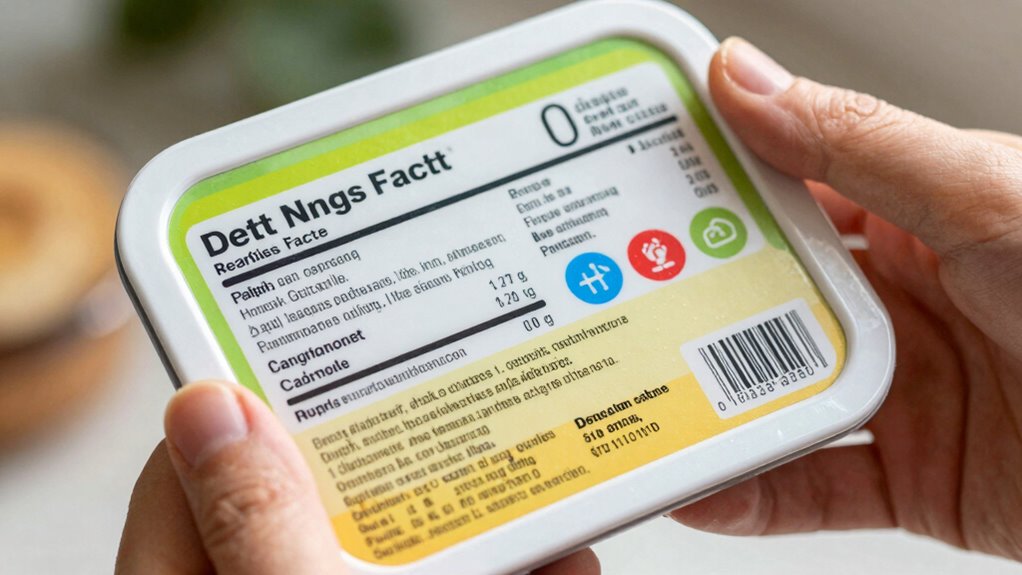

To read a product label like a pro, start by checking the ingredient list, which shows you what’s in the product, especially noting unfamiliar or artificial ingredients. Then, examine the nutrition facts panel to understand calorie counts, fats, sugars, and other key nutrients, paying attention to serving sizes and %Daily Values. Recognize patterns and claims that might be misleading, and get familiar with common additives to make healthier choices. Keep exploring to become even more confident in evaluating labels.
Listen free for 30 days with Audible
Thousands of audiobooks and originals — cancel anytime.
As an affiliate, we earn on qualifying purchases.
Key Takeaways
- Examine the ingredient list from top to bottom to understand the main components and identify unfamiliar or artificial ingredients.
- Review the nutrition facts panel carefully, paying attention to serving size and % Daily Values for context.
- Compare nutritional claims with actual nutrient content to verify their accuracy and healthfulness.
- Check for added sugars, preservatives, and artificial additives that may impact overall product healthfulness.
- Understand how serving sizes relate to actual consumption to better assess calorie and nutrient intake.

Have you ever looked at a product label and felt overwhelmed by all the information? It’s common to feel confused when trying to decipher what’s inside a package. The key to making smarter choices is knowing how to read those labels effectively. Start by examining the ingredient list, which is usually at the top or near the bottom of the label. Ingredients are listed in order of quantity, from the highest to the lowest. If you see unfamiliar or artificial-sounding ingredients, it’s a good idea to reconsider whether that product aligns with your health goals. Look out for added sugars, preservatives, and artificial flavors, which can be hidden deep within the list. The ingredient list tells you exactly what’s in the product, giving you insight beyond just the nutrition facts. Becoming familiar with common additives and understanding their purpose can help you make more informed choices.
Next, turn your attention to the nutrition facts panel. This section provides a snapshot of the product’s nutritional profile, including calories, fats, carbohydrates, proteins, vitamins, and minerals. Pay special attention to serving size, as all the numbers are based on this amount. Sometimes, labels can be misleading if you don’t compare the serving size to how much you actually plan to eat. For example, a snack might seem low in calories per serving, but if you’re eating multiple servings, the total calorie intake adds up quickly. Look for the percentage daily values (%DV), which help you understand how much a nutrient contributes to your daily diet. High %DV for saturated fat or sodium might signal that the product isn’t suitable for a heart-healthy diet. Additionally, understanding food labeling regulations can help you better interpret the information presented on the label. Familiarizing yourself with serving sizes and how they relate to realistic portions can further improve your ability to make healthier choices.
As you become more familiar with reading labels, you’ll start to notice patterns. For example, if a product claims to be “low-fat,” check the nutrition facts to see if it’s also low in sugar or sodium, as these can sometimes compensate for the reduction in fat. Conversely, if a product has a long list of added sugars, it’s worth considering whether it fits your nutritional goals. Keep in mind that not everything on the label is bad—some ingredients, like whole grains or fiber, are beneficial and should be part of your diet. Understanding the ingredient list, including the order of ingredients and common additives, is a valuable skill in choosing healthier options. Additionally, familiarizing yourself with food additives and their common functions can help you identify healthier products more easily. Recognizing the impact of additives on health can further refine your choices, especially if you have sensitivities or preferences for natural ingredients.

CNYST Digital Halogen Moisture Analyzer Halogen Moisture Balance for Paper Food Feed Plastic Granule Etc with Readability 1mg Max Capacity 110g Pan Size Φ90mm Temp Range 40℃—199℃
- Lighting Source: Halogen lamp with HBM sensor
- Build Material: Aluminum shell and stainless steel chamber
- Display: High-definition LCD with highlight halogen lamp
As an affiliate, we earn on qualifying purchases.
As an affiliate, we earn on qualifying purchases.
Frequently Asked Questions
How Do I Compare Similar Products Effectively?
To compare similar products effectively, start by analyzing their ingredient lists, focusing on the first few ingredients, which are the most prominent. Don’t just trust packaging claims—look for specific details that support them, like certifications or percentages. Check for added fillers or artificial ingredients, and consider the overall nutritional or functional value. This way, you make informed choices based on transparency and quality, not just marketing hype.
What Do Expiration Dates Really Mean?
Expiration dates are like the ticking clock on your product’s shelf life, telling you when it’s best to use or consume. These dates, found on packaging labels, indicate safety and quality, not just freshness. Always check the date before buying or using, and remember that some products may be safe beyond the date, but their effectiveness diminishes. Trust the label to help you make informed choices and avoid unnecessary waste.
Are Organic Labels Always Trustworthy?
Organic labels aren’t always trustworthy, so you should verify for organic certification from reputable organizations like USDA Organic. This certification ensures label authenticity and confirms the product meets strict standards. However, some brands may use misleading claims or false labels, so it’s wise to research brands and read reviews. Always look for official certification seals to confidently identify genuinely organic products and avoid trickery.
How Can I Identify Hidden Allergens?
To identify hidden allergens, look for ingredient transparency on the label. Carefully read the list for common allergens and note any unfamiliar ingredients. Check for allergen symbols, which often indicate the presence of specific allergens like nuts or soy. Remember, manufacturers are required to disclose allergens, but hidden ones can sometimes slip through. Stay vigilant by researching unfamiliar ingredients and choosing brands that prioritize clear, detailed labeling.
What Do Serving Sizes Really Imply?
Imagine a tiny boat on a vast ocean—that’s your serving size. It guides your portion control, helping you avoid overeating and understand the nutritional implications. Serving sizes on labels aren’t just suggestions; they’re a snapshot of what the product contains per portion. By paying attention, you can better manage intake, making smarter choices for your health, just as a captain navigates carefully through the waters.
Conclusion
By mastering how to read product labels, you’re empowered to make smarter choices every time you shop. For instance, imagine selecting a cereal with lower sugar content after noticing the nutrition label—saving yourself from unnecessary added sugars and improving your health. With a keen eye and a bit of practice, you’ll confidently navigate labels, ensuring your purchases align with your goals. Ultimately, reading labels like a pro helps you take control of your well-being one product at a time.
Back to school Picks
back to school
As an affiliate, we earn on qualifying purchases.