


Six Sigma in manufacturing is a data-driven approach that helps you minimize defects, reduce variability, and improve product quality. It guides you through a structured process to identify root causes and implement targeted solutions, aiming to meet or exceed customer expectations. By emphasizing continuous improvement and teamwork, it reduces costs and boosts customer satisfaction. Keep exploring to learn how this methodology can transform your manufacturing processes for better results.
Key Takeaways
- Six Sigma is a data-driven methodology aimed at reducing defects and improving product quality in manufacturing processes.
- It uses structured tools like DMAIC to identify and eliminate root causes of process variability.
- Six Sigma emphasizes minimizing waste and inefficiencies to enhance overall operational performance.
- It promotes a culture of continuous improvement and proactive defect prevention through statistical analysis.
- Monitoring key performance indicators ensures sustained quality and process alignment with customer expectations.

Six Sigma has become an essential methodology in manufacturing, helping companies reduce defects and improve quality. When you adopt Six Sigma, you’re embracing a data-driven approach that focuses on process improvement and consistency. It’s all about identifying inefficiencies, minimizing variability, and delivering products that meet or exceed customer expectations. By implementing Six Sigma, you’re actively engaging in quality management that aims to streamline operations and eliminate errors, leading to higher customer satisfaction and lower costs.
Six Sigma drives process efficiency, reduces errors, and enhances product quality to meet customer expectations and lower costs.
At its core, Six Sigma provides a structured framework for process improvement. You analyze your manufacturing processes, collecting detailed data to understand where defects or delays occur. This systematic approach allows you to pinpoint root causes and develop targeted solutions. Instead of making guesses or relying on intuition, you’re making decisions based on facts and statistical analysis. This precision helps you optimize workflows, reduce waste, and improve overall product quality. Incorporating data analysis into your strategies further enhances your ability to make informed decisions.
In practice, Six Sigma uses specific methodologies like DMAIC—Define, Measure, Analyze, Improve, Control—to guide your efforts. You start by clearly defining the problem, then measure relevant data to understand the scope. Next, you analyze this data to identify causes of variation. Once you understand the issues, you implement improvements and establish control mechanisms to sustain these gains. This cycle ensures continuous process improvement, keeping your manufacturing operations efficient and reliable over time. Additionally, establishing a data-driven culture is crucial for long-term success with Six Sigma initiatives.
Quality management becomes more effective with Six Sigma because it emphasizes a culture of continuous improvement. You’re not just fixing problems when they arise; you’re proactively seeking ways to prevent defects before they happen. This proactive stance helps maintain high standards and guarantees consistent product quality. It also encourages teamwork and a shared responsibility for quality across departments, fostering a mindset where everyone contributes to process excellence.
Furthermore, Six Sigma promotes the use of key performance indicators (KPIs) to track progress and measure success. You regularly review metrics to verify your process improvements are delivering the desired results. This ongoing evaluation helps you stay aligned with quality goals and quickly address new issues as they surface. Incorporating statistical analysis into decision-making further enhances your ability to identify areas for improvement and maintain high standards.
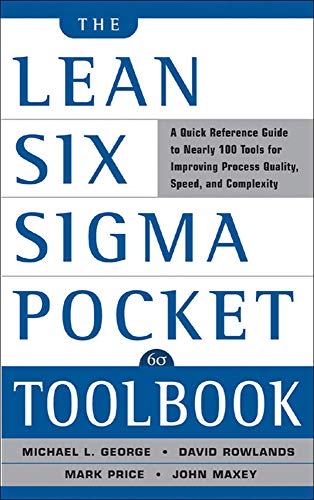
The Lean Six Sigma Pocket Toolbook: A Quick Reference Guide to 100 Tools for Improving Quality and Speed
As an affiliate, we earn on qualifying purchases.
As an affiliate, we earn on qualifying purchases.
Frequently Asked Questions
How Does Six Sigma Differ From Other Quality Management Methods?
Six Sigma differs from other quality management methods by focusing on data-driven process improvement to reduce defects, aiming for near perfection. You’ll find it emphasizes statistical analysis and a structured approach like DMAIC. This method directly boosts customer satisfaction by systematically minimizing variability and errors. Unlike traditional approaches, Six Sigma aims for measurable results, making it highly effective in optimizing processes and ensuring consistent quality in manufacturing.
What Industries Outside Manufacturing Use Six Sigma?
You’ll find Six Sigma widely used outside manufacturing, especially in industries like healthcare, finance, and IT. It helps optimize your supply chain processes, reduce errors, and improve customer satisfaction. By applying Six Sigma principles, you can streamline operations, minimize costs, and guarantee consistent quality. Many organizations leverage its data-driven approach to enhance service delivery and meet customer expectations more effectively.
What Is the Typical Cost of Implementing Six Sigma?
The typical cost of implementing Six Sigma varies, but you should conduct a detailed cost analysis to understand expenses like training, consulting, and process changes. While initial costs can seem high, the financial benefits often outweigh them through improved efficiency, reduced waste, and higher quality. Over time, these savings enhance profitability, making Six Sigma a worthwhile investment for your organization. Proper planning guarantees you maximize return on your investment.
How Long Does It Take to See Results From Six Sigma?
In the grand scheme of process improvement, you can expect to see results from Six Sigma within three to six months. By applying statistical analysis diligently, you’ll notice quality and efficiency improvements early on, often within the first few projects. Keep in mind, though, that sustained success depends on ongoing commitment. It’s like a vintage radio—patience and tuning lead to the clearest sound over time.
Can Small Businesses Effectively Adopt Six Sigma Practices?
Yes, small businesses can effectively adopt Six Sigma practices, but they must address specific challenges like limited resources and expertise. Conducting a cost-benefit analysis helps you determine if the potential improvements outweigh the investment. By focusing on targeted projects and leveraging existing team skills, you can implement Six Sigma strategies that boost efficiency and quality, ultimately overcoming small business challenges and driving growth.
Conclusion
By embracing Six Sigma in manufacturing, you’re not just chasing perfection—you’re working smarter to eliminate errors and boost quality. It’s a game changer that helps you stay ahead of the curve and turn challenges into opportunities. Remember, a stitch in time saves nine, so implementing Six Sigma early on can save you from bigger headaches down the road. Ultimately, it’s about building a process that runs like clockwork, ensuring long-term success.