
Propane gas is colorless and odorless in its natural form, but it has a unique smell thanks to a chemical called ethyl mercaptan. You might notice it smells like rotten eggs or a skunk! This added odor helps keep you safe by alerting you to possible leaks, so you can take quick action. It's especially important when you're grilling, camping, or using propane heaters at home. Next time you catch that scent, don't ignore it—remember, it's a friendly warning! Learning more about propane can help you stay safe and enjoy your outdoor adventures even more!

Prime made for students and young adults
- Fast, free delivery for dorm and study essentials
- Prime Video and Amazon Music included
- Member-only deals
Key Takeaways
- Propane is colorless and odorless in its natural state, but ethyl mercaptan is added for safety.
- The added ethyl mercaptan gives propane a distinct smell similar to rotten eggs or skunk.
- This strong odor serves as a warning signal for potential gas leaks, prompting immediate safety actions.
- Awareness of the propane smell is crucial in environments like grilling, home heating, and camping.
- Upon detecting the smell of propane, it is vital to ventilate the area and contact professionals for safety.
Popular right now

Breville Bambino Espresso Machine, Brushed Stainless Steel

Dyson Ball Animal 3 Extra Upright Vacuum

KitchenAid Artisan Series 5-Quart Tilt-Head Stand Mixer, Dried Rose (KSM150PS)
As an affiliate, we earn on qualifying purchases.
Introduction
When you think about propane gas, you might wonder what it actually smells like. It's an interesting question, and the answer is pretty important!
Propane itself is a colorless and odorless gas, which sounds a bit boring, right? But here's the twist: To keep you safe, companies add a special chemical called ethyl mercaptan to give propane a distinct smell. This way, if there's a leak, you'll notice it right away, and that's super important!
Now, you might be curious about why they do this. Imagine cooking your favorite meal on a gas stove, and suddenly, you smell something funny. That's your cue to check if everything is okay!
If propane didn't have a smell, it could be really dangerous, and you wouldn't want that.
Description of the Smell

The smell of propane is often described as similar to rotten eggs or skunk due to the added ethyl mercaptan. This funny little chemical is what makes propane safe. You see, if propane didn't have this added smell, you wouldn't even know it was leaking. Imagine cooking dinner and suddenly the kitchen fills with gas, but you can't smell a thing! Yikes!
When you catch a whiff of that distinct scent, it's a signal to pay attention. Some might say it's a bit stinky, but it's a helpful warning. Picture yourself outside, and you accidentally step in something smelly—your first instinct is to back away, right? That's exactly what you should do with propane.
If you ever notice that unusual odor, it's crucial to take it seriously. Get outside, find fresh air, and alert someone who can help.
Source and Composition
Propane gas primarily comes from natural gas processing and crude oil refining. Isn't that cool? You mightn't think about where your fuel comes from, but it's fascinating! When natural gas is processed, propane gets separated from other gases. It's like finding a treasure hidden among many, just waiting to be used!
Now, let's talk about composition. Propane is made up of three carbon atoms and eight hydrogen atoms, which gives it the chemical formula C3H8. This simple structure helps it burn cleanly, making it a great energy source for heating, cooking, and even fueling vehicles.
To make propane even safer, companies add a special chemical called mercaptan. Ever heard of it? Mercaptan has a strong, funny smell—like rotten eggs! This smell helps you detect leaks, so you can stay safe.
Without mercaptan, propane would be odorless, making it hard to notice any problems.
Typical Scenarios or Environments
Knowing how propane gas smells is important, especially in various typical scenarios where it's commonly used. You might encounter propane gas when you're grilling burgers in the backyard, heating your home, or even camping with your family. In these situations, a strong, distinct smell like rotten eggs can alert you to a leak, so it's super important to pay attention!
When you're using a propane grill, you want to enjoy that delicious smoky flavor, not worry about any strange scents. If you smell that rotten egg odor, you should turn off the gas and step away.
Similarly, during chilly winter nights, when you're cozy inside with a propane heater, a leak can be dangerous. Always make sure your home has a carbon monoxide detector, just to be safe!
In your camping adventures, if you use a propane stove, keep an eye out for any unusual smells. If you detect that distinctive odor, it's time to act quickly.
Emotional or Cultural Associations

Associated with safety and comfort, the smell of propane gas evokes a mix of emotions and cultural meanings. For many, that distinct scent reminds them of family barbecues, warm summer evenings, and laughter shared with friends. It's like the aroma of sizzling burgers and the crackling of a cozy fire, creating a warm feeling deep inside. You can almost picture everyone gathered around, sharing stories and delicious food, can't you?
In some cultures, propane is more than just a fuel; it's a symbol of connection and togetherness. People often use it for outdoor cooking, making meals that bring everyone closer. The scent can even recall memories of camping trips, where the smell of propane lanterns lights up the night sky.
While you mightn't think about it often, that propane smell can spark feelings of nostalgia and happiness. It's like a little reminder of home, adventure, and the joy of being with loved ones.
Health or Safety Considerations
When it comes to using propane gas, safety should always be a top priority. You want to make sure you're using it safely to avoid any accidents.
First, it's essential to know the smell of propane. It's added with a substance called ethyl mercaptan, which gives it a strong, unpleasant odor. If you ever catch a whiff of something like rotten eggs, that's your cue to act!
If you smell gas, don't panic. Instead, turn off the gas supply, open windows, and leave the area immediately. Let your family and friends know, too.
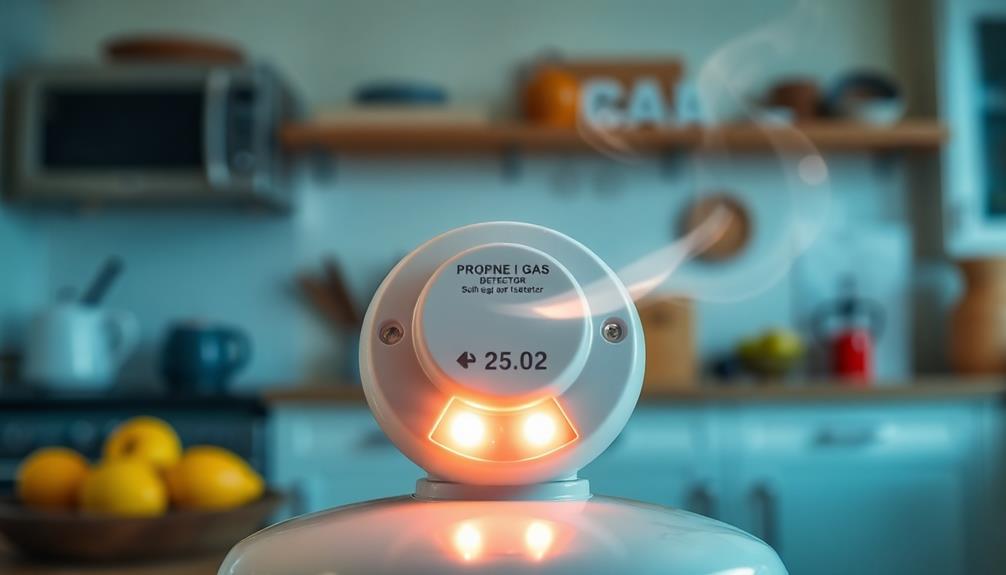
It's a great idea to install a propane detector in your home, just like you'd for smoke.
Also, always check your appliances and tanks for leaks and damages. Using propane safely means keeping your equipment in good shape.
Be sure to follow all instructions for your propane devices, and never use them indoors unless they're specifically designed for that.
Final Thoughts

Ultimately, understanding the smell of propane gas is crucial for your safety and peace of mind. You might think it's just a funny smell, but it's actually a warning sign!
Propane gas has a distinct, strong odor, often compared to rotten eggs or skunk spray. When you notice that smell, it's your cue to act quickly.
If you ever smell propane, don't panic! Just remember to turn off any appliances, avoid using electronics, and get outside right away. Fresh air is your best friend in this situation!
Once you're safe, call your local propane supplier or emergency services to check things out.
Being aware of how propane smells can help keep you and your loved ones safe. Plus, knowing what to do when you smell it makes you a superhero in your own home!
So, always stay alert, and don't hesitate to take action if you detect that odor.
In the end, staying informed about propane gas isn't just smart; it's essential.
Happy grilling, heating, and enjoying all the wonderful things propane can do—just remember that smell! You've got this!
Frequently Asked Questions
Can Propane Gas Smell Change Over Time?
Yes, propane gas can change its smell over time due to factors like contamination or the presence of other chemicals. If you notice a change, it's important to investigate for safety reasons. Always prioritize your safety!
How Can I Detect Propane Gas Leaks?
To detect propane gas leaks, you should regularly check for unusual odors, inspect fittings and connections, and use a gas detector. If you suspect a leak, turn off the gas and evacuate immediately.
Is the Smell of Propane Harmful if Inhaled?
Inhaling propane gas isn't directly harmful in small amounts, but it can cause dizziness or headaches. If you smell it, it's crucial to leave the area immediately and seek fresh air to avoid potential risks.
Can Other Substances Mimic the Smell of Propane?
Yes, other substances can mimic propane's smell. For instance, certain chemicals like butane or natural gas have similar odors. Always ensure you identify the source properly to prevent potential hazards and ensure safety. Stay vigilant!
What Should I Do if I Smell Propane?
If you smell propane, act quickly. Evacuate the area immediately, avoiding any sparks or flames. Once safe, contact your gas company or emergency services to report the leak. Don't return until it's deemed safe.