Cat poop smells pretty strong! You'll usually notice a pungent, ammonia-like scent mixed with earthy tones, almost like rotten eggs. The smell can change based on what your cat eats; fishy treats make it even stronger. When it's fresh, it's sharper, but older poop? Yikes, that gets really stinky! If you scoop daily and use clumping litter, you can help keep those odors in check. Plus, using a little baking soda can work wonders! Remember, those smells can give clues about your cat's health. Stick around to learn some tips on managing those pesky odors!
Key Takeaways
- Cat poop typically emits a pungent, ammonia-like odor, often described as unpleasant and strong.
- The smell can have earthy tones similar to rotten eggs, influenced by the cat's diet.
- Fresh cat waste has a sharper scent, while older waste develops a more foul aroma.
- Diet plays a significant role; fish or meat-based meals produce stronger odors compared to high-quality cat food.
- Regular cleaning and odor-absorbing litter can help manage and reduce the intensity of cat poop smell.
Introduction
When it comes to cat ownership, the distinct smell of cat poop can be one of the more challenging aspects to deal with. You might find yourself wrinkling your nose as soon as you catch a whiff!
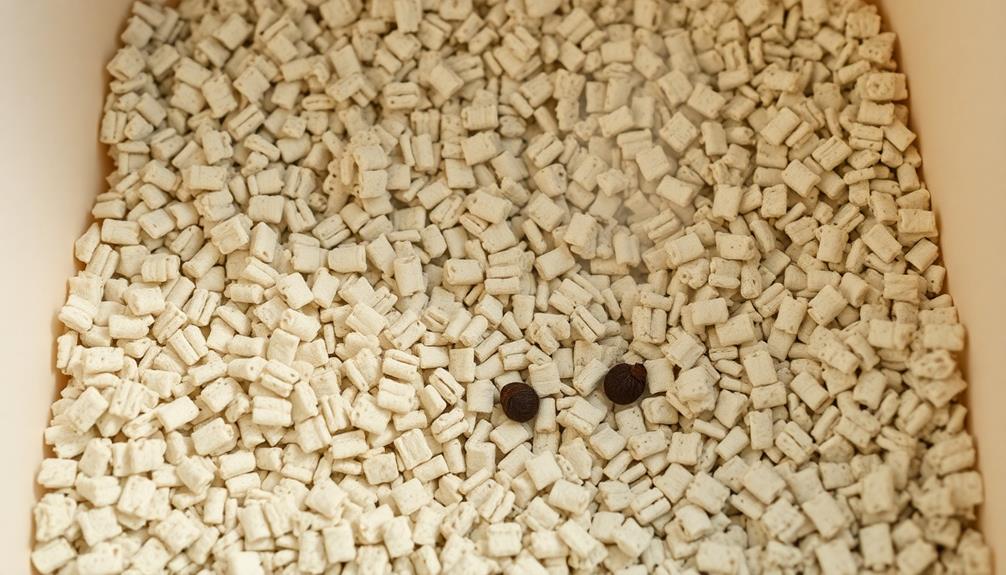
But don't worry; you can tackle this issue with some simple steps. First, choose a litter box that's easy to clean and large enough for your feline friend. Cats like to have their space, just like you do!
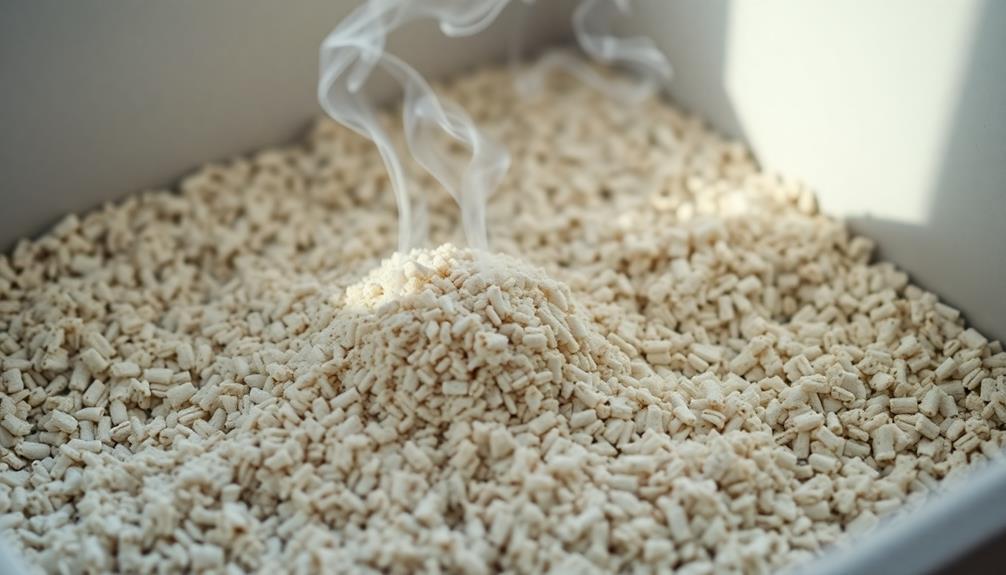
Next, scoop the litter box daily. This quick task can make a huge difference in keeping odors at bay. Then, consider using clumping litter, which helps trap the smell better than regular litter. You could also sprinkle some baking soda in the box; it's a natural odor absorber!
Lastly, ensure the litter box is in a well-ventilated area. Fresh air helps reduce any lingering smells.
Remember, your cat's health is just as important as keeping your home smelling fresh. If the smell seems particularly strong, it might be time for a vet visit to check on your kitty's diet or health.
With a little effort, you can keep both your cat and your home happy!
Description of the Smell
The smell of cat poop is often described as a pungent, ammonia-like odor that can be hard to ignore. When you walk into a room and catch a whiff, it might make you wrinkle your nose.
Picture a mix of strong, earthy scents, like rotten eggs and something sour. It's definitely not a smell you'd want to invite over for tea!
You might notice that the intensity of the smell can change depending on what your cat eats. If they munch on fishy treats, you might get a whiff of something even more potent. Yikes!
And let's not forget about the difference between fresh and older poop. While fresh cat poop has that sharp smell that hits you right away, older poop can become even more foul as it dries out.
Source and Composition
Cat poop's smell primarily comes from the breakdown of food in your cat's digestive system. When your cat eats, its body works hard to extract nutrients, and the leftover waste eventually makes its way out. This waste, which we call poop, is composed of undigested food, bacteria, and other materials your cat's body doesn't need.
Now, let's talk about what really makes that smell strong! The main culprits are compounds called sulfur and ammonia. These little troublemakers are byproducts of the digestion process, and they can smell pretty bad.
If your cat's diet includes fish or meat, you might notice a stronger odor, since those foods produce more pungent waste. Additionally, if your furry friend is eating high-quality cat food, the smell might be less intense. That's because better food leads to less waste!
Typical Scenarios or Environments
In homes with multiple pets, you might notice that cat poop smell can become more pronounced. If you have several cats, their litter boxes could start to smell like a funky mix of old gym socks and a stinky cheese factory!
In these lively environments, keeping the litter boxes clean is super important. Regular scooping, at least once a day, helps keep odors at bay. You won't believe how much better your home can smell with just a little daily effort!
Now, if your cats are roaming freely outside, they might do their business in your garden or backyard. This can lead to surprising odors, especially if a few neighborhood cats join the party.
Make sure to keep an eye on those areas to avoid any unexpected surprises when you're enjoying your yard.
And don't forget about those cozy little nooks and crannies where cats love to hide! If they choose a hidden spot for their business, you might find yourself on a mini treasure hunt for the source of that smell.
Keeping your space tidy and regularly checking those sneaky corners can make all the difference in your home's aroma!
Emotional or Cultural Associations
For many cat owners, the smell of cat poop can evoke strong emotions and cultural associations. You might find that this scent brings back memories of cuddling with your furry friend or watching them play.
It's amazing how something as simple as a smell can connect us to our beloved pets, right?
In some cultures, cats symbolize good luck and protection, so the smell of their poop might even remind you of the love and joy they bring into your life. You might chuckle when you think about how you joke with friends about your cat's litter box adventures, turning an unpleasant topic into something lighthearted.
On the other hand, it can also remind you of the responsibilities that come with pet ownership. It's a part of the deal!
You may find yourself laughing at the absurdity of cleaning a litter box, yet feeling proud that you're caring for a pet that's part of your family.
Health or Safety Considerations
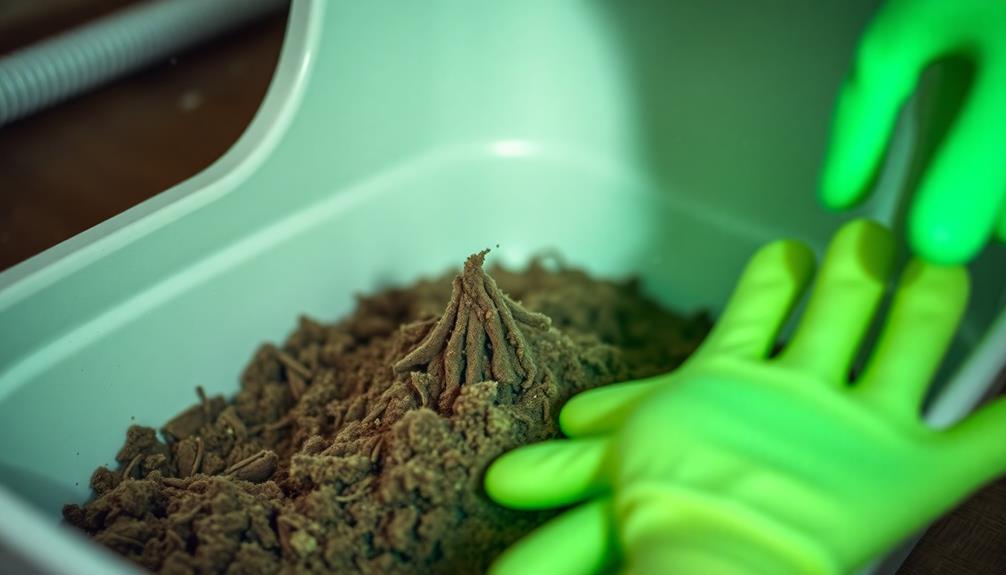
Considering the potential health risks associated with cat poop smell is crucial for every pet owner. When you think about it, cat poop can carry harmful bacteria and parasites, which can pose health risks to both you and your furry friend.
You mightn't realize it, but the smell itself can be a sign of something more serious, like an infection or digestive issues in your cat.
If you breathe in the strong odor, it might irritate your nose and throat, making you feel uncomfortable. Plus, if you have little ones at home, keep in mind that they can be more vulnerable to germs.
Always wash your hands after handling your cat's litter box, and encourage your kids to do the same.
It's also a good idea to keep the litter box in a well-ventilated area. This helps reduce odors and keeps the air fresher.
If you notice a particularly foul smell, it might be time to check your cat for any health issues or clean the litter box more often.
Final Thoughts
Managing cat poop smell isn't just about keeping your home pleasant; it's also tied to your cat's health and your family's well-being. When you tackle those odors, you're not only making your space smell better, but you're also ensuring that your furry friend is healthy and happy.
After all, nobody wants to live in a stinky environment!
To keep things fresh, scoop the litter box daily and change the litter regularly. You'll be amazed at how much better your home smells!
Consider using odor-absorbing litter or even baking soda to help neutralize those strong scents. If you notice any unusual smells, it might be a sign that your cat needs a vet visit.
Cats can be mysterious creatures, and their poop can tell you a lot about their health.
Frequently Asked Questions
Can Diet Affect the Smell of Cat Poop?
Yes, diet can significantly affect the smell of cat poop. When you change your cat's food, you'll often notice differences in odor. High-quality diets usually lead to less pungent waste compared to lower-quality options.
How Often Should I Clean the Litter Box?
You should clean the litter box at least once a day to keep it fresh and odor-free. Regular cleaning helps maintain your cat's health and happiness while preventing unpleasant smells from building up.
What Color Should Healthy Cat Poop Be?
Healthy cat poop should be a medium brown color, resembling chocolate. If you notice any drastic changes in color, like green, yellow, or black, it's best to consult your vet for advice.
Is There a Way to Mask the Smell?
If you're looking to mask the smell, try using high-quality cat litter designed to control odors. You can also keep the litter box clean and consider air purifiers or scented sprays for extra help.
Can Stress Influence the Odor of Cat Poop?
Yes, stress can influence the odor of cat poop. When your cat's stressed, it may experience digestive issues, leading to stronger, more unpleasant smells. Keeping your cat calm can help maintain a more neutral scent.